Life. Seasoned with perspective.
A reflection on generational differences, changing worldviews, and the importance of understanding young people rather than judging them. Every generation deserves the space to define itself and contribute to society in its own unique way.
Peaceful and quiet.
I retreated out of town this past weekend for some much-needed rest from the noise and hustle that the city has become. As I sat there in the stillness of the night, listening to Judo and Bandit barking in the distance and the crickets performing their nightly concert, my mind drifted back to a conversation that had taken over our family WhatsApp group.
Gen Z.
Few topics have generated as much debate in Kenya recently as this generation. Depending on who you ask, they are either the hope of the nation or the source of all its problems.
The conversation is not unique to Kenya. It is happening across the world.

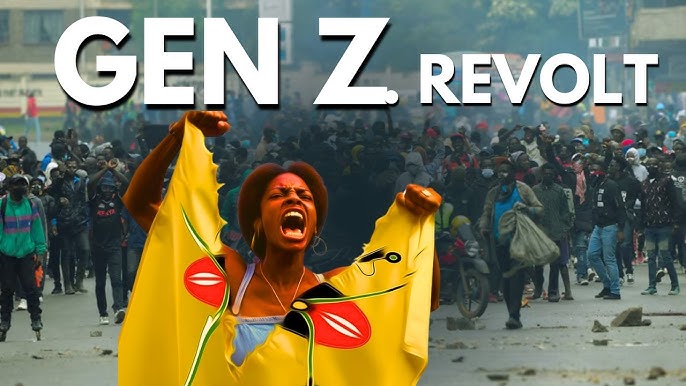
For many Kenyans, the defining moment came on June 25, 2024. On that day, thousands of young people took to the streets in what became one of the most significant demonstrations in our recent history. The protests, largely driven by Gen Z, culminated in demonstrators breaching Parliament and eventually forced the withdrawal of the Finance Bill that had sparked public outrage.
Since then, something has changed.
Young people have become more vocal. More expressive. More willing to challenge authority. More willing to publicly call out what they believe is wrong.
And with that has come criticism.
This past week, the topic found its way into our family group.
- The questions were familiar.
- What do Gen Zs want?
- Why are they so expressive?
- Why are they so opinionated?
- Where did we go wrong?
It was that last question that caught my attention.
The dominant view seemed to be that Gen Zs are the way they are because parents somehow failed in their responsibilities. From there, the conversation quickly expanded into a spirited debate involving Gen X and Millennials.
As you can imagine, it became lively.
Some argued that Millennials and Gen X had become too permissive.
Others suggested they were carrying so much pain from their own upbringing that they had overcorrected.
The abolition of corporal punishment was blamed.
Biblical references appeared.
“Spare the rod and spoil the child” made an appearance.
The debate went on for hours.
Eventually, as most family debates do, it simply ran out of energy and quietly faded away.
But something about the conversation stayed with me.
Nobody stopped to question the premise itself.
We were discussing an entire generation as though it were a problem.
We had labelled them.
And that is where I began to disagree.
Because the more I thought about it, the more I realised there is actually nothing wrong with Gen Z.
Different?
Absolutely.
Wrong?
Not at all.
Every generation arrives shaped by the world it inherits.
The Silent Generation was shaped by war and scarcity.
Baby Boomers were shaped by rebuilding and opportunity.
Gen X grew up with independence and self-reliance.
Millennials came of age during rapid globalisation and technological change.
Why then should Gen Z be expected to think exactly like those who came before them?
They are here by right.
They do not owe anyone an apology for being different.
Globally and locally, perceptions of Gen Z tend to swing between admiration and criticism. They are praised for their innovation, creativity, and confidence. Then, in the next breath, they are accused of being entitled, impatient, or disengaged.
Perhaps both views miss the point.
Recently, while inspecting a project with a neighbour, we found ourselves reminiscing about the sacrifices required to get where we are today. He then shared a story about a young colleague who had barely started working and immediately took a substantial loan to buy a brand-new car.
Both of us, being Millennials, laughed and compared that decision to our own first vehicles.
Second-hand cars.
But then it hit me.
Why was I measuring someone else’s journey using my own ruler?
The world they are entering is not the same world we entered.
Their opportunities are different.
Their challenges are different.
Their aspirations are different.
And perhaps their timelines are different too.
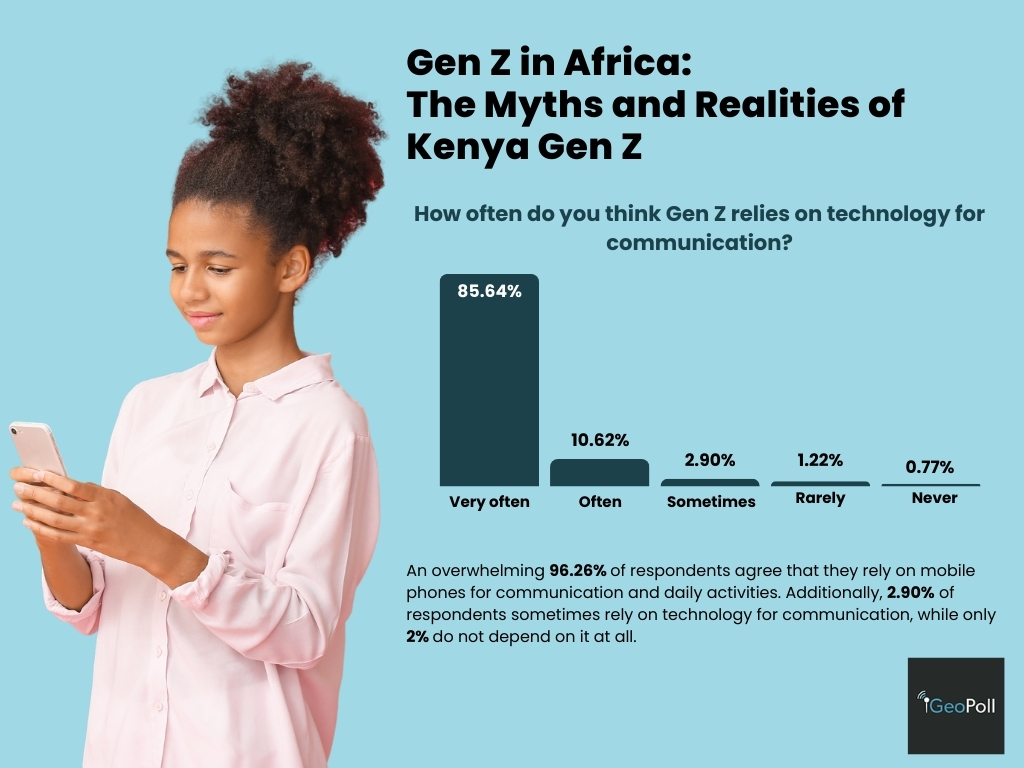
The truth is that Gen Z are the first true digital natives. They have grown up with smartphones, social media, artificial intelligence, instant communication, and a world that moves at breathtaking speed.
Naturally, their outlook on life will differ from ours.
In Kenya, they are digitally connected, politically aware, entrepreneurial, socially conscious, and remarkably informed. They challenge systems. They ask difficult questions. They are less willing to accept “because I said so” as an answer.
That may make some people uncomfortable.
But discomfort is not necessarily a bad thing.
Every generation pushes against the boundaries established by the previous one.
That is how societies evolve.
Instead of spending endless hours debating what is wrong with Gen Z, perhaps we should invest that energy in understanding them.
Instead of labelling them, perhaps we should listen.
Instead of criticising their differences, perhaps we should appreciate the strengths they bring.
Because whether we like it or not, the future belongs to them.
And if there is one lesson history keeps teaching us, it is this: every generation eventually becomes the generation that shapes the world.
Gen Z is no different.
They have a right to be who they are.
Our job is not to turn them into us.
Our job is to understand them, guide them where necessary, and create opportunities for them to thrive.
The sooner we embrace that reality, the better off we will all be.
About the author
Kibisu Mulanda is a media executive and strategic communicator with over 20 years of experience in television, NGO storytelling, and youth-focused content. He is the Acting Head of Switch Media Ltd and teaches media at the Kenya Institute of Mass Communication (KIMC). A Certified SIYB Trainer, he blends storytelling with strategy to drive social impact.
About the Author