


Kenyan motorists who rely on diesel will pay less at the pump from Saturday, after the Energy and Petroleum Regulatory Authority announced a Sh5 reduction in the fuel’s maximum retail price.
The new rates will take effect on August 15 and remain in place until September 14, 2026.
Super petrol and kerosene prices, meanwhile, will remain unchanged.
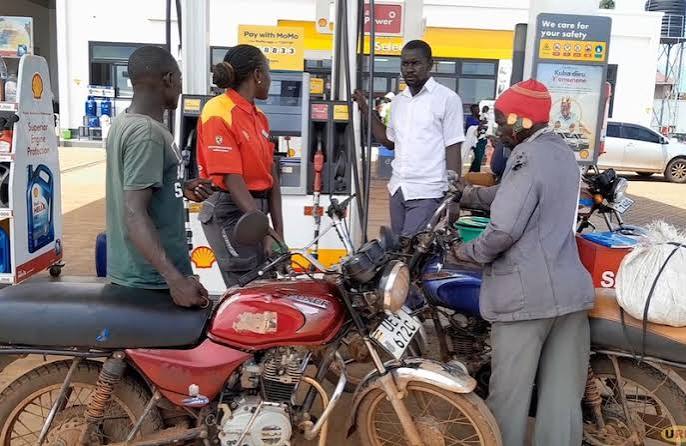
Diesel gets a Sh5 reprieve
The reduction follows EPRA’s monthly review of petroleum prices under the Petroleum Act, 2019 and Legal Notice No. 192 of 2022.
The regulator said the lower diesel price reflects a significant decline in the cost of importing the fuel.
The average landed cost of diesel fell by 13.08 per cent between June and July, dropping from US$984.37 to US$855.59 per cubic metre.
That decline was not mirrored by petrol.
Petrol costs rise as government steps in
The average landed cost of super petrol increased by 6.99 per cent, rising from US$836.92 per cubic metre in June to US$948.92 in July.
Despite the increase, motorists will not see a rise in the price of petrol during the latest review period.
EPRA said the government would provide Sh938 million in additional stabilisation support to keep super petrol and kerosene prices unchanged.
“In the period under review, the maximum allowed petroleum pump prices for Diesel decreases by Sh5.00/litre while the price of Super Petrol and Kerosene remain unchanged,” EPRA said.
Kerosene also becomes cheaper at import stage
Kerosene recorded a decline in its average landed cost during the same period.
The cost fell by 11.01 per cent, from US$1,028.17 per cubic metre in June to US$915.01 in July.
Even so, EPRA will keep the retail price unchanged, with the government support programme absorbing the difference.
The regulator said the approved pump prices include Value Added Tax and other applicable taxes and levies.
The new prices will remain in force until September 14, when EPRA is expected to conduct its next monthly review.
For motorists and businesses that depend on diesel, the Sh5 reduction offers some relief. But its wider effect on transport and consumer prices will depend on how much of the saving is passed on through the economy.

About the Author