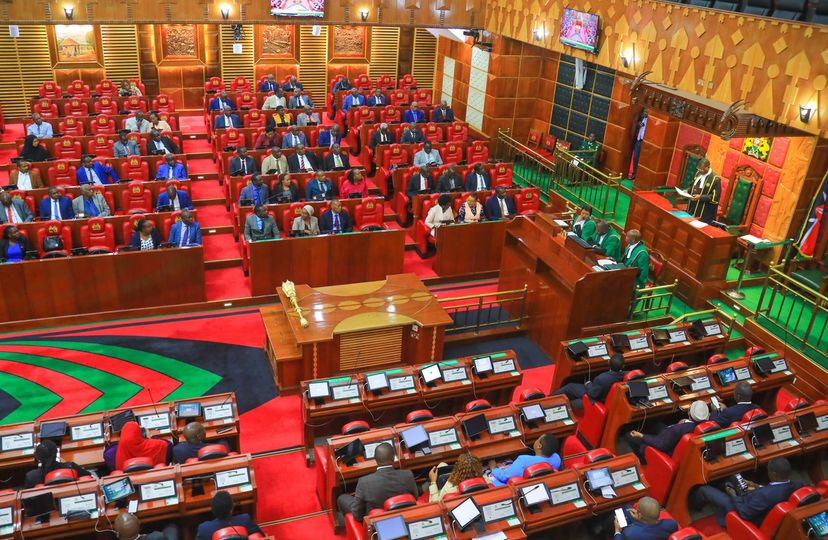
The Kenyan government is seeking an additional KSh200 million to establish a new department tasked with overseeing state-owned enterprises, even as lawmakers raise fresh concerns over mounting public expenditure and tightening budgets.
The request was presented to Parliament’s Finance and National Planning Committee on Tuesday by the State Department for Public Investments and Asset Management, which warned that planned reforms could stall without extra funding.
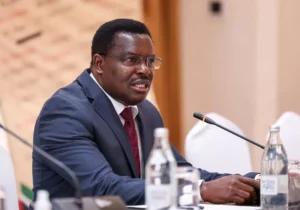
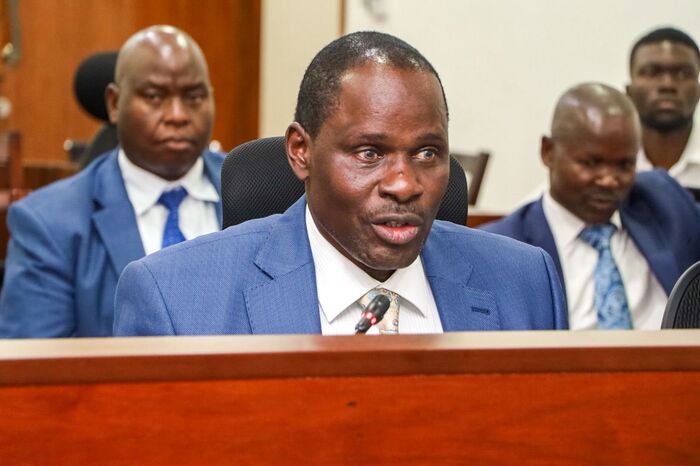
Appearing before the committee, Principal Secretary Cyrell Odede said the proposed Government-Owned Enterprises (GOE) Department would play a central role in implementing the Government Owned Enterprises Act, 2025.
The law is intended to improve the management of struggling state corporations and push them towards financial independence.
“We are asking for support to operationalise the new framework,” Ms Odede told lawmakers. “Without adequate resources, some of these reforms may not move at the pace expected.”
According to the department, KSh20 million would go towards setting up the GOE Selection Panel and Secretariat. Another KSh80 million has been earmarked for recruiting 390 independent directors to serve across 65 state-owned companies.
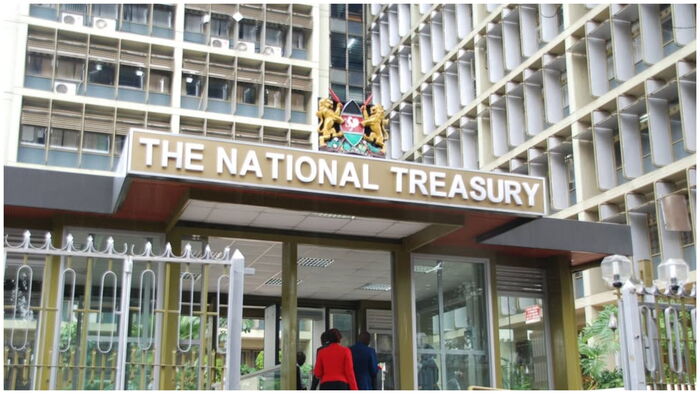
The funding request comes at a difficult moment for the department itself. Officials disclosed that its allocation had been reduced from KSh4.05 billion to KSh3.38 billion, leaving a shortfall of KSh670.8 million.
PS Odede warned that the cuts could slow the rollout of the Electronic Government Procurement System, commonly known as e-GP, a digital platform the government says is designed to reduce paperwork and improve transparency in public procurement.
“Such a significant reduction worsens the already constrained budgetary position of the department and risks derailing effective implementation of planned programmes and projects,” he said.
The department is now seeking the reinstatement of KSh743 million to continue developing and expanding the procurement system, including training staff and supporting counties expected to adopt the platform.
Members of Parliament questioned the pace of implementation and demanded details on supplier registration and timelines. Officials told the committee that more than 45,000 suppliers had so far registered on the system, against a target of 100,000 by the end of the financial year.
Lawmakers also pushed back against a separate KSh1.125 billion allocation proposed for Consolidated Bank of Kenya. The funds are meant to strengthen the lender’s capital position in line with regulations set by the Central Bank of Kenya.
Some MPs questioned whether further public funding for the bank could be justified at a time when the government faces competing demands, including pension arrears and pressure on public services.
The hearing also turned attention to long-standing delays affecting pension payments for retired teachers and civil servants. Lawmakers criticised what they described as excessive bureaucracy, with some pensioners reportedly being asked to provide payslips issued decades ago.
In response, PS Odede said a newly introduced pension management system had helped clear existing backlogs and curb corruption within the process. He added that delays involving teachers were often linked to incomplete documentation from the Teachers Service Commission.
The debate highlights the growing pressure facing President William Ruto’s administration as it attempts to balance public sector reforms with increasing scrutiny over government spending and fiscal discipline.
About the Author