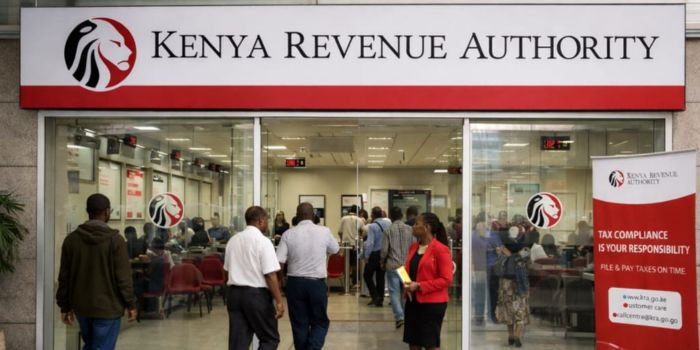
Kenya’s tax authority has offered businesses a short-term reprieve in one of its most closely watched compliance reforms, allowing firms to claim certain expenses even when they are not backed by electronic invoices.
In a notice issued today Monday, the Kenya Revenue Authority said taxpayers filing returns for the 2025 year of income will be permitted to declare valid business costs that are not supported by eTIMS or TIMS-generated invoices.
The move comes just weeks before the June 30 filing deadline, a period when businesses typically rush to reconcile accounts and submit returns.
“To facilitate smooth filing for the 2025 Year of Income, KRA has allowed taxpayers to declare valid business expenses that may not be supported by eTIMS/TIMS invoices,” the authority said. “Such expenses may be uploaded during filing and will be subject to validation after submission.”
The concession is temporary. From 2026 onwards, the tax authority says, all declared income and expenses must be backed by electronic invoices generated through the system.
That shift is part of a wider push to tighten oversight of business transactions through digital records, as the agency seeks to close tax gaps and improve compliance.
While the announcement has been welcomed as relief for firms still adjusting to the system, it also underscores the pressure businesses face in adapting to stricter documentation rules.
For many small and medium enterprises, the transition to eTIMS has been uneven, with some reporting technical challenges and gaps in invoice generation during transactions.
The authority insists, however, that the system remains central to modernising tax collection and ensuring transparency in reporting.
Alongside the notice, KRA reminded taxpayers that failure to file returns by the deadline will attract penalties under the Tax Procedures Act, including fixed fines for non-compliance and possible default assessments.
In an effort to ease filing, the agency has also introduced a WhatsApp-based service, Shuru, designed to help taxpayers check obligations and complete filings more easily.
As the deadline approaches, the temporary flexibility signals a balancing act between enforcement and practicality, giving businesses room to comply now, while tightening expectations in the year ahead.
About the Author