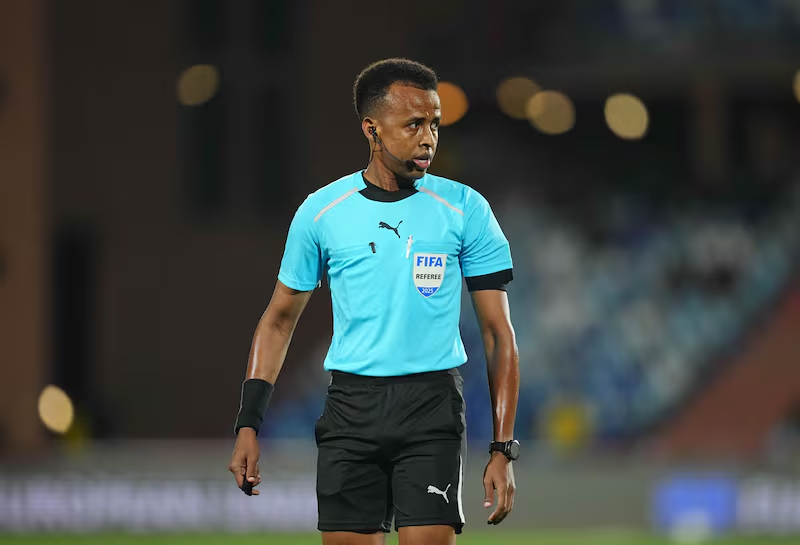
A referee widely regarded as one of Africa’s finest officials will miss the 2026 FIFA World Cup after being denied entry into the United States, raising fresh questions about the impact of American immigration policies on international sport.
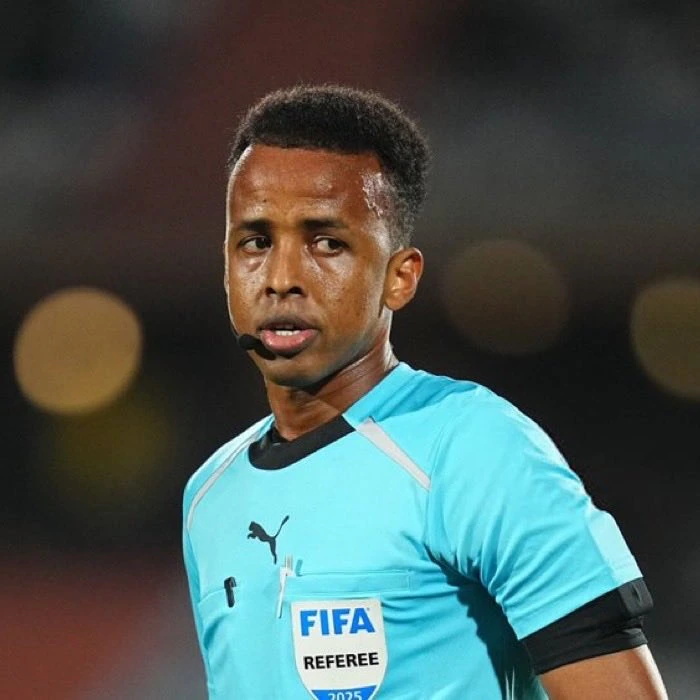
Omar Abdulkadir Artan of Somalia had been selected to officiate at this summer’s tournament, a milestone in a career that has earned recognition across the continent. But his World Cup journey ended before it began.
FIFA confirmed on Monday that Artan will not take part in the competition after US authorities refused him entry upon arrival in Miami.
Stopped at the Border
According to US Customs and Border Protection, Artan arrived in the United States on a flight from Istanbul and was subjected to additional screening.
A spokesperson said the inspection formed part of routine procedures used when officers need to verify information or determine whether a traveller is eligible for admission.
After the review, officials concluded that Artan was inadmissible due to what they described as “vetting concerns”.
Authorities did not publicly provide further details about the decision.
FIFA Left on the Sidelines
FIFA said it had no role in visa approvals or immigration decisions made by host countries.
“FIFA is not involved in host country immigration processes, including visa adjudications,” a spokesperson said in a statement.
The governing body added that it had been informed Artan’s status would not change and noted that, as with previous tournaments, the host nation retains the final say on who is allowed to enter the country.
The decision means one of Africa’s most respected match officials will be absent from football’s biggest stage.
A Rising Name in African Football
Artan’s exclusion comes despite a remarkable rise in international officiating.
He was named Africa’s top male referee in 2025 and had been selected by the Confederation of African Football to represent the continent at the World Cup.
His performances in major continental competitions had earned widespread praise, making his appointment to the tournament a significant achievement for both Somalia and African football.
Travel Restrictions Under Scrutiny
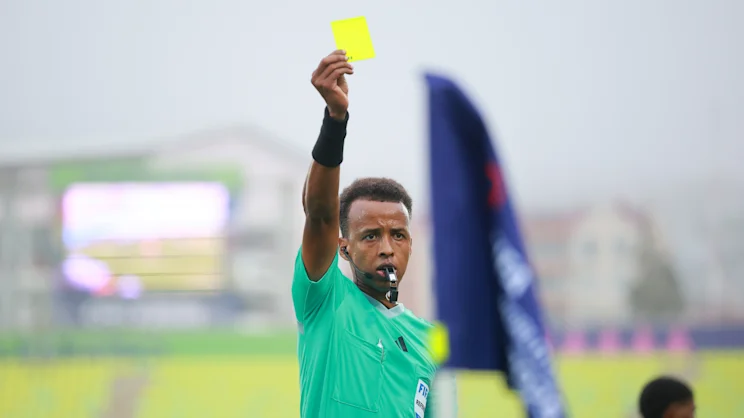
The case has drawn attention because Somalia is among the countries affected by immigration restrictions introduced under President Donald Trump’s administration.
While US authorities have not linked the decision directly to those measures, citizens from countries covered by the travel restrictions often face additional scrutiny during immigration checks.
Artan’s case is not the only one to highlight the challenges facing some World Cup participants.
Iranian football officials have also raised concerns over travel arrangements. The president of Iran’s football federation recently said the national team received permission to enter the United States only shortly before its opening match.
Iran coach Amir Ghalenoei has also indicated that several staff members and officials were still awaiting travel clearance.
Questions Beyond Football
For many observers, the issue extends beyond sport.
The World Cup is designed to bring together players, coaches, officials and supporters from around the globe. Cases such as Artan’s have prompted debate about how immigration policies intersect with international sporting events hosted by individual nations.
For Artan, however, the consequences are immediate and personal.
After years of working his way to the top of African refereeing, the opportunity to officiate at a World Cup has slipped away, not because of a decision made on the pitch, but because of one made at the border.
About the Author