Nairobi — At a media briefing held on Friday,12 June 2026, the Cabinet Secretary for Health, Hon. Aden Duale, struck a careful balance between reassurance and warning. He assured the public that Kenya is not facing an Ebola outbreak. But the risk is real, and the country must be ready.
“Your partnership is critical,” Hon. Duale told reporters at the media breakfast. “We need to ensure citizens receive accurate, timely and reliable information.”
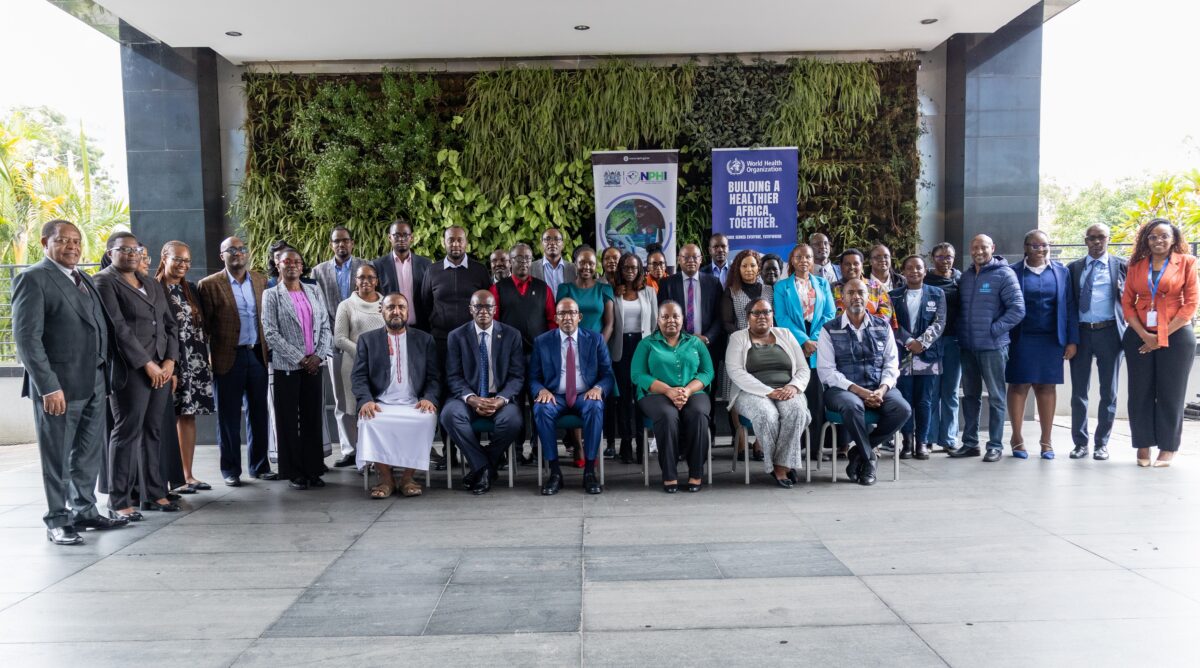
The meeting, framed as both a media briefing and a “Science Café”, brought together a wide range of voices, public health experts, development partners, academics and civil society groups. Its aim was clear: to strengthen how information flows during a public health emergency, and to prevent misinformation from spreading faster than any virus.
Ebola outbreaks continue to surface in parts of Africa, keeping neighbouring countries on alert. Kenya, a regional hub for travel and trade, faces particular exposure. Health officials say preparation is not optional.

Hon. Duale urged journalists to rely on verified sources, warning that careless reporting could fuel panic. “Inaccurate information can lead to fear, confusion and even stigma,” he said. “In some cases, it can cost lives.”
Recent public concern has centred on the construction of isolation facilities in parts of the country, including Laikipia. Addressing the issue directly, Mr Duale was firm: “Preparedness facilities are not evidence of an outbreak. They are precautionary measures.”
https://news.switchtv.ke/2026/06/kenya-to-comply-with-court-order-halting-nanyuki-ebola-facility/

Public health officials echoed that message. Mary Muthoni, the Principal Secretary for Public Health, described health emergencies as moments that test a nation’s unity and resolve. Delayed action, she warned, can have serious consequences.
“The threat of Ebola on the continent is still present,” she said. “We must remain vigilant.”
Kenya’s Director-General for Health, Dr Patrick Amoth, pointed to ongoing outbreaks in the region as a reminder of the urgency. He noted the swift response by the World Health Organization’s leadership, calling it a sign of how seriously the global community views the disease.

The session moved beyond speeches. Scientists and journalists sat side by side, discussing how Ebola spreads, how it is detected, and what response systems look like in practice. There were demonstrations on the use of protective gear and detailed explanations of surveillance systems.
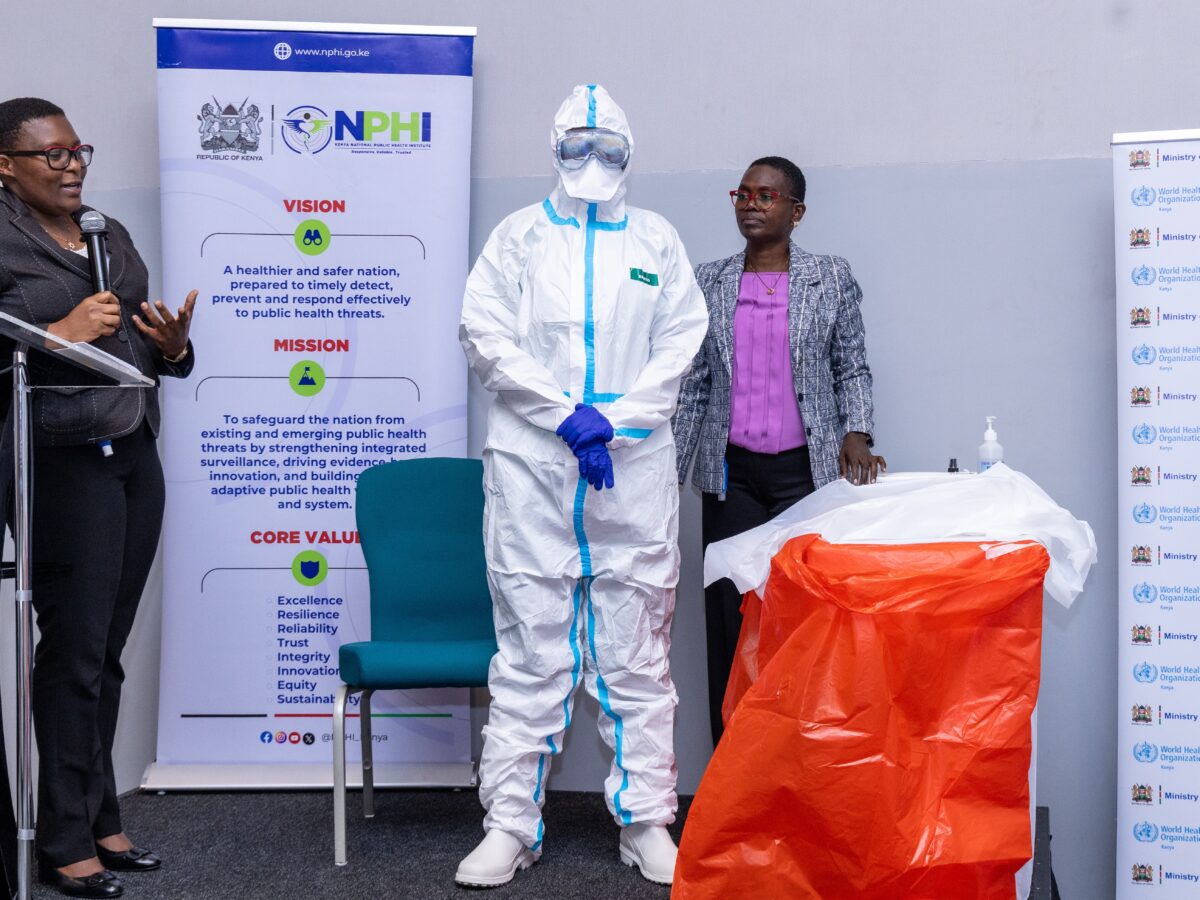
Among those present were Kenya National Public Health Institute (KNPHI) Acting Director General Dr. Kamene Kimenye; Co-Director of the Centre for Epidemiological Modelling and Analysis (CEMA), Dr. Loyce Ombajo; KNPHI Acting Director for Public Health Intelligence, Population Health, Preparedness and Response, Dr. Kanana Kimonye; and Acting Director for Corporate Services, Dr. Richard Muthoka, Dr Mercy Korir, CEO and Editor in Chief of Willow Health Media.

By the end of the forum, one message stood out: in a public health crisis, information can be as powerful as medicine. And getting it right may be just as important as any vaccine or treatment.
Kenya still remains Ebola-free. But its officials are making one thing clear, preparedness begins long before the first case appears.
About the Author