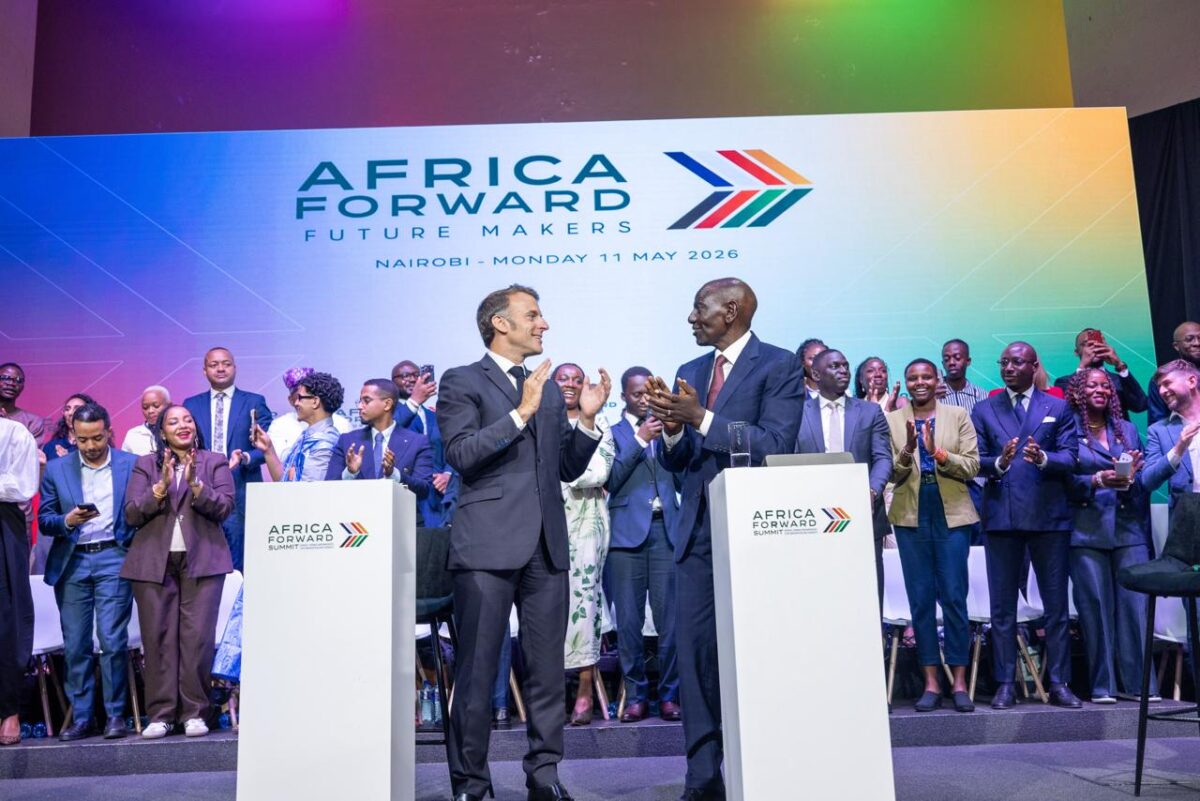
Delegates from across Africa and beyond returned to Nairobi on Tuesday for the second day of the Africa Forward Summit, as discussions shifted toward some of the continent’s most pressing questions; debt, peace, technology and economic growth.
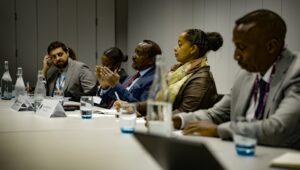
Inside Kenyatta International Convention Centre, presidents, diplomats and financial leaders moved between tightly packed meetings focused on how African countries can secure fairer financing, strengthen regional stability and prepare for the rapid expansion of artificial intelligence.
A key session scheduled for the afternoon centred on reforming the global financial system, an issue many African leaders argue has left developing economies burdened by debt and locked out of affordable financing.
Among those expected to speak were Emmanuel Macron, Bola Ahmed Tinubu and Kristalina Georgieva, alongside senior officials from international financial institutions.
The debate comes at a time when many African governments are facing rising borrowing costs, weakening currencies and growing pressure to fund healthcare, infrastructure and climate adaptation programmes.
Later in the day, attention was expected to turn to peace and security. William Ruto and President Macron were set to open discussions alongside António Guterres and Mahmoud Ali Youssouf.
The talks were expected to focus on African-led mediation efforts and the financing of peace operations across conflict-hit regions.
Several leaders, including Faure Gnassingbé, Ismail Omar Guelleh and John Dramani Mahama, were also listed as participants in discussions on regional diplomacy and security cooperation.
Away from the main plenary halls, smaller sessions explored how emerging technologies could shape Africa’s future.
A roundtable on artificial intelligence and digital innovation brought together leaders including Paul Kagame and Duma Boko, as governments increasingly weigh both the opportunities and risks tied to AI expansion.
Other discussions focused on healthcare, agriculture and the blue economy, reflecting the summit’s broader aim of linking economic growth with long-term development.
For Kenya, hosting the summit has also offered an opportunity to position Nairobi as a diplomatic and financial hub at a moment when African governments are seeking greater influence in global decision-making.
About the Author