WAJIR— President William Ruto on Monday unveiled a KSh5 billion plan aimed at reshaping Kenya’s livestock sector, casting pastoralism as an economic force long overlooked by the state.
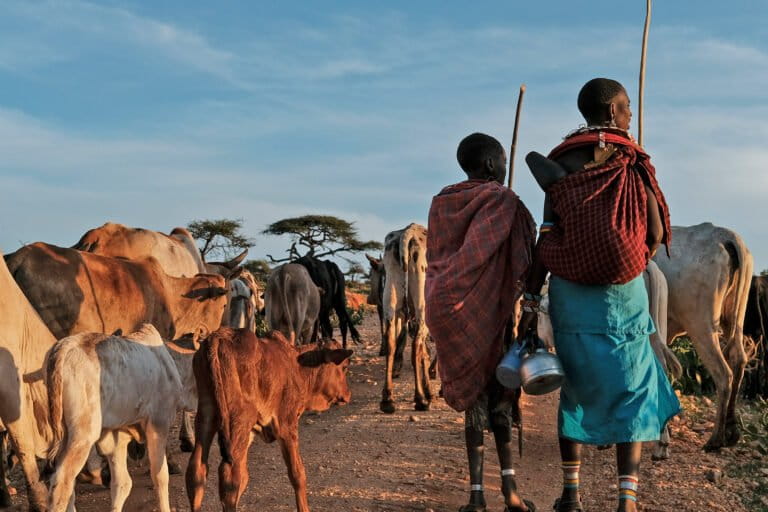
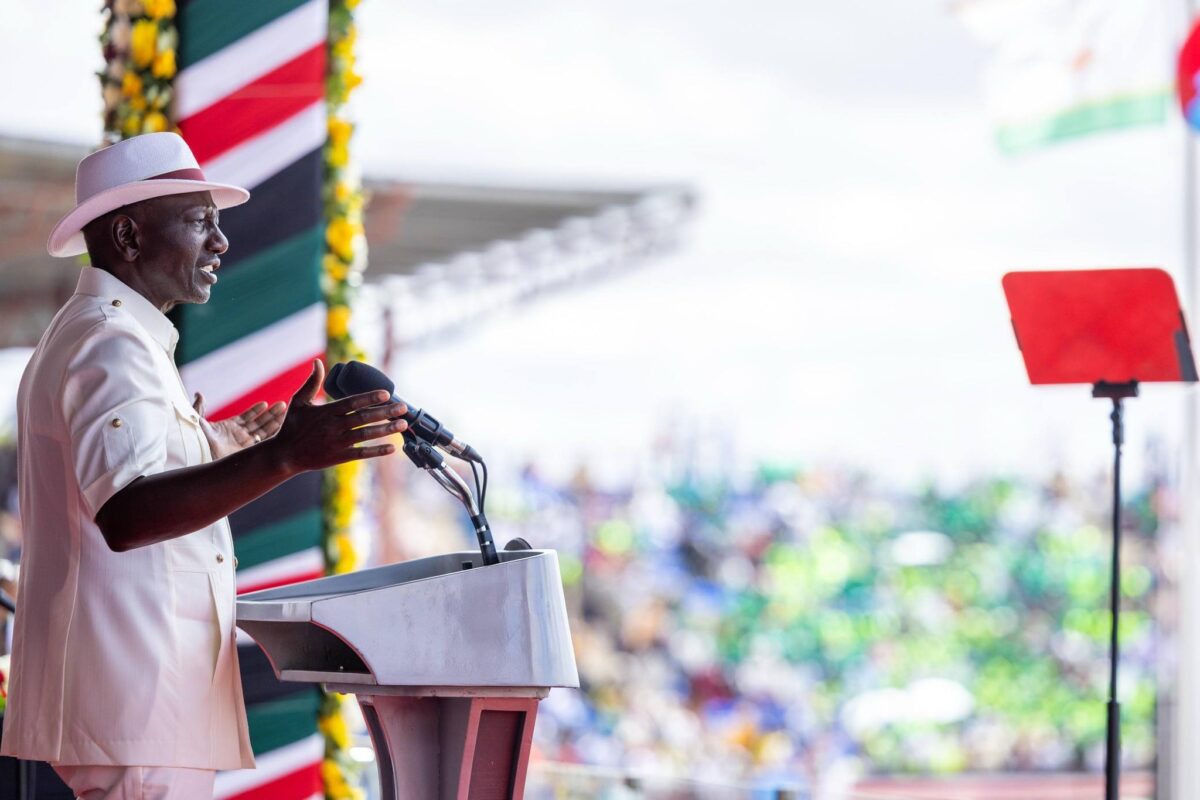
Speaking at the 63rd Madaraka Day celebrations in Wajir, a town at the heart of Kenya’s arid north, President Ruto said the initiative would reach more than 350,000 pastoralists across 21 counties. The plan, he suggested, could mark a turning point for communities that have often felt excluded from national development.
“Livestock is agriculture and pastoralists are farmers,” he told a large crowd gathered at Wajir Stadium. His message was simple: the sector deserves the same attention as crop farming.
At the centre of the proposal is the creation of county-based livestock investment companies. These would allow herders to pool resources, access credit and insurance, and play a stronger role in setting prices and reaching markets. The government says more than two million people could benefit in the early stages.
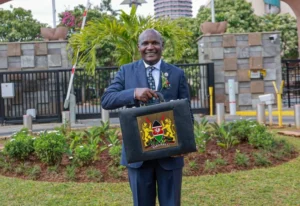
Ruto has instructed the Ministry of Agriculture and Livestock Development, led by Mutahi Kagwe, to begin registering the companies alongside county governments.
The announcement builds on a series of measures the administration says it has already taken. These include distributing tens of thousands of animals to households, expanding vaccination campaigns and investing in feedlots and grazing land restoration.
According to government figures, more than 10 million animals have been vaccinated, while local vaccine production has risen sharply. Officials also point to the rehabilitation of hundreds of thousands of hectares of rangeland and the rollout of breeding programmes.
The President argued that these efforts are beginning to show results. Meat exports, he said, have climbed from KSh8.9 billion in 2022 to KSh16.4 billion in 2025. Milk production and dairy exports have also increased.
Still, the challenges are well known. In many pastoral areas, access to markets, veterinary services and reliable infrastructure remains uneven. Droughts, made more severe by climate change, continue to threaten livelihoods.
Dr. Ruto acknowledged these gaps, promising further investment in fodder reserves, animal health systems and drought resilience. He also pledged to expand a government fund designed to support livestock enterprises and to roll out a national system to track animals, aimed at improving access to export markets.
“For too long, many looked at livestock and saw subsistence,” he said. “We look at livestock and see enterprise. We see exports. We see jobs.”
Yet there is broad agreement that the sector holds significant promise. Livestock accounts for a substantial share of Kenya’s agricultural output and dominates economic life in arid regions, where alternative livelihoods are scarce.
For many pastoral families, the stakes are personal. Without reliable income from livestock, access to education, healthcare and other basic services can quickly slip out of reach.
Ruto framed the initiative as part of a wider push to bring historically marginalized regions into the country’s economic fold.
“A strong nation includes everyone,” he said, adding that pastoral communities must be part of Kenya’s growth story, not left on its margins.
About the Author