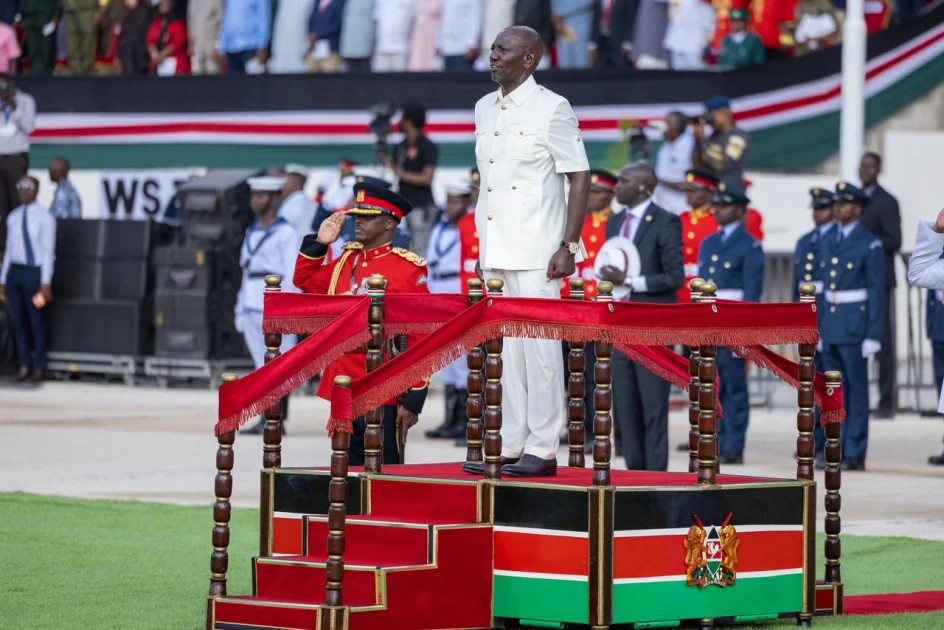
President William Ruto on Monday announced that the newly built Wajir Stadium will be renamed Ahmed Khalif Wajir Stadium, honouring one of the region’s most influential political figures and coupling the gesture with a rare public apology for decades of marginalisation in Northern Kenya.
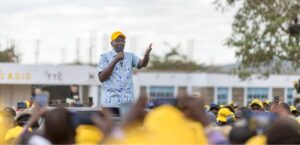
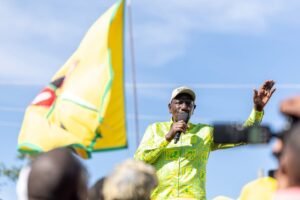
Speaking during Kenya’s 63rd Madaraka Day celebrations in Wajir County, the President endorsed a proposal by Wajir Governor Ahmed Abdullahi to name the 10,000-seat facility after the late Ahmed Mohamed Khalif, a respected politician who became the first Cabinet minister from the region.
The announcement drew applause from thousands gathered at the stadium, which hosted the national celebrations.
A Tribute to a Political Pioneer
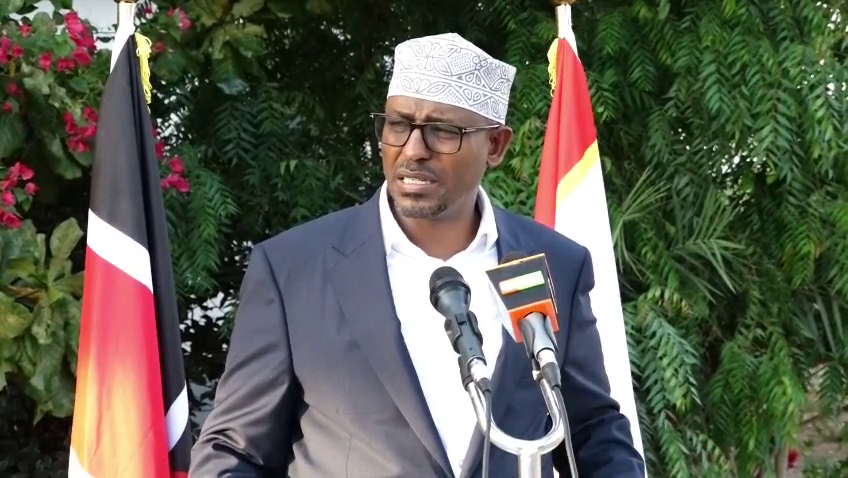
Governor Abdullahi described Khalif as a leader who inspired many in the region, including himself.
“I am an accidental politician,” the governor said. “I first became involved in politics in 2002, not to run for office, but to help Ahmed Khalif reclaim his seat as his campaign manager.”
He argued that naming the stadium after Khalif would serve as a lasting tribute to a man who helped raise the profile of Northern Kenya in national politics.
Khalif served in the government of former President Mwai Kibaki before his death in a plane crash in January 2003.
Responding to the request, President Ruto immediately agreed.
“I will make sure it is completed and built to international standards,” he said. “I agree with you that this stadium should be called Ahmed Khalif Wajir Stadium.”
An Emotional Apology
The naming announcement was followed by one of the most personal moments of the President’s speech.
Addressing residents of Northern Kenya, Ruto acknowledged the historical challenges faced by communities in the region, including complaints of exclusion and difficulties in accessing government services.
“I want to apologise on behalf of the people of Kenya,” he said. “It was never meant to be this way.”
The President described the issue as deeply emotional and said every Kenyan deserved equal treatment under the law, regardless of where they lived.
“People here deserve equal dignity and treatment under the law,” he added.
Defending Reforms on Identity Documents
Ruto also addressed concerns surrounding a presidential directive issued in February 2025 aimed at easing the registration and issuance of national identity cards and birth certificates in Northern Kenya.
The policy has sparked debate in some quarters, with critics raising concerns about potential abuse.
The President rejected claims that the changes would allow non-citizens to acquire Kenyan documents.
“It was not an invitation for foreigners to acquire Kenyan documents illegally,” he said. “Identity cards will only be issued to legitimate citizens of this Republic.”
He added that efforts to promote inclusion would go hand in hand with protecting national security and the integrity of official records.
Promises of Development
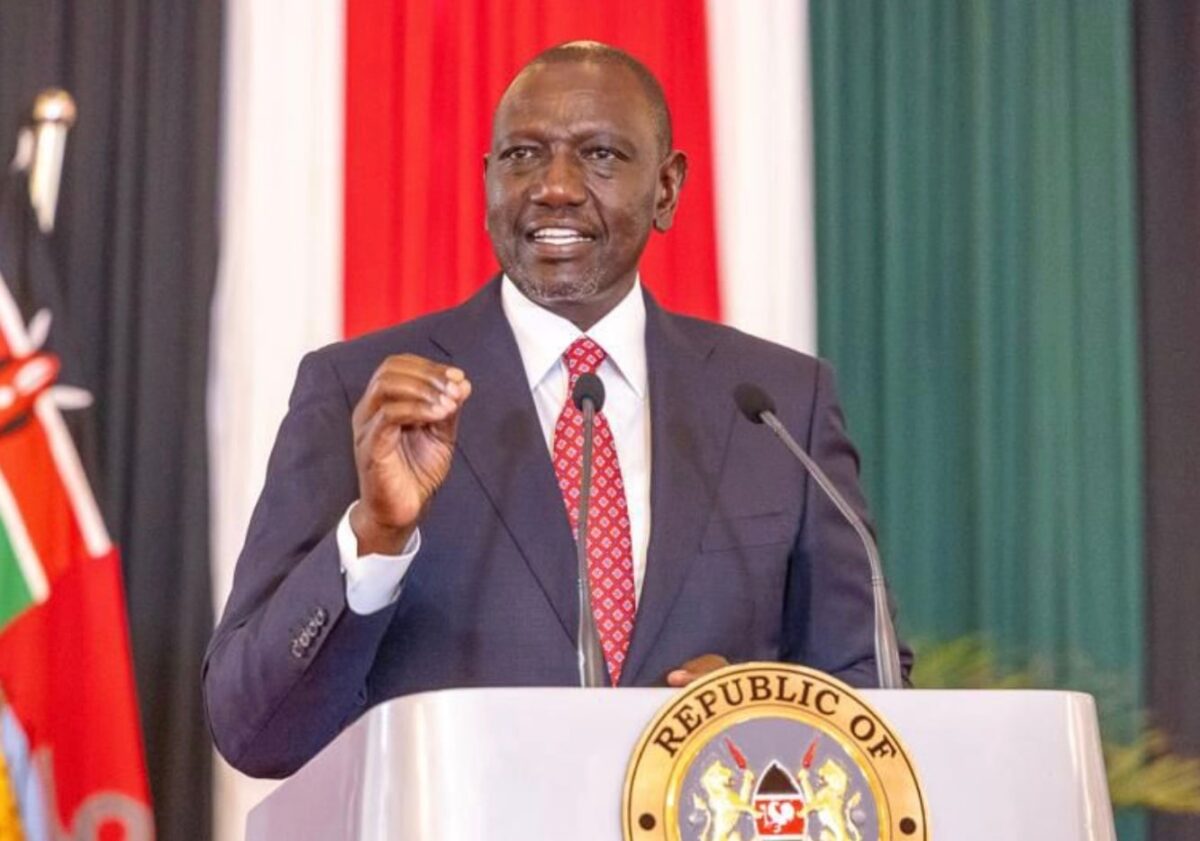
Beyond symbolism, the President used the occasion to outline a series of development commitments for the region.
Among the projects he highlighted were plans for a university, expanded road networks, additional housing and improved healthcare infrastructure.
“We affirm that no community is peripheral to our national story,” he said. “No child is too far away to deserve opportunity. No citizen is too distant to deserve dignity.”
The remarks reflected the broader theme of this year’s Madaraka Day celebrations, which focused heavily on inclusion and regional development.
Stadium Nearing Completion
The stadium itself has become a major talking point in Wajir. Built in roughly 100 days, it is the first in a planned series of sports facilities expected to be constructed by the Kenya Defence Forces across the country.
According to Interior Principal Secretary Raymond Omollo, work on the facility is progressing steadily and is expected to be completed within a month.
Speaking ahead of the celebrations, Omollo said roofing works were about 60 per cent complete, with additional features such as a tartan track and other amenities still being installed.
For many residents, however, Monday’s event was about more than a stadium. It was a moment that blended recognition of a local political pioneer with a national conversation about belonging, equality and the place of Northern Kenya in the country’s future.
About the Author