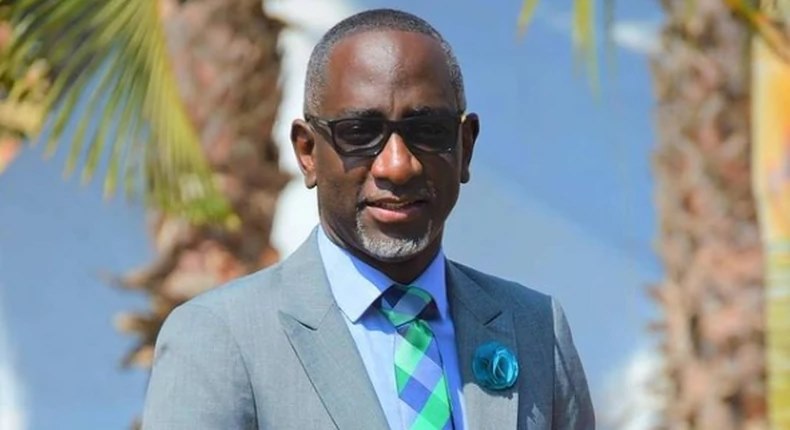
In Nairobi’s bustling media circles, few disputes have stirred as much attention this week as the one pitting preacher and motivational speaker Robert Burale against his ex-wife and her brother.
Mr Burale has filed a defamation suit seeking KSh20 million in damages, accusing Rozina Mwakideu and media personality Alex Mwakideu of tarnishing his name through a YouTube interview titled “My Biggest Mistake Was Marrying Robert Burale.”
The video, published on Alex Mwakideu TV on October 4, features Rozina recounting her marriage to the well-known preacher — a conversation Burale says crossed the line from personal reflection to character assassination.
The Allegations
In court papers filed at the Milimani Chief Magistrate’s Court, Burale describes himself as “a cleric of national repute” whose work depends heavily on public trust.
He claims the interview portrayed him as “manipulative, hypocritical, a swindler, and homosexual” — allegations he says are “false, malicious, and intended to destroy my moral and professional standing.”
According to the filing, the remarks have caused him “severe mental anguish, ridicule, and loss of credibility” among peers and followers.
Burale further accuses Alex of professional negligence, arguing that the radio host failed to verify claims or offer him a right of reply before publishing the interview. He also says Alex encouraged viewers to “share widely,” amplifying the alleged defamation.
What He Wants from the Court
Burale is seeking a permanent injunction to have the video and related social media posts deleted, alongside a public apology and a call for all re-uploads to be taken down.
He is also demanding general and aggravated damages totalling K.Sh20 million, plus the cost of the suit and any additional orders the court may grant.
In his petition, Burale says the fallout from the interview has threatened his ministry and income, both of which rely on his public image as a mentor and preacher.
The Response
Neither Rozina nor Alex has filed a formal response yet. However, during a Radio 47 broadcast on October 7, Alex appeared to distance himself from some of his sister’s remarks, suggesting the views expressed were hers alone.
Court officials confirmed that the case has been filed under fast-track procedure, meaning it could proceed to hearing in the coming weeks.
A Larger Conversation
The case has reignited debate about the boundaries between personal storytelling and defamation on digital platforms. YouTube interviews and podcasts have become increasingly popular in Kenya, often attracting large audiences hungry for candid revelations.
Legal experts warn that while such platforms encourage open discussion, they also carry serious risks. “Defamation law still applies online,” said a Nairobi-based media lawyer familiar with similar cases. “The right to free expression ends where reputational harm begins.”
For now, the preacher’s suit has added a new twist to Kenya’s evolving relationship between faith, fame, and digital media — and the courts will soon decide where the line truly lies.
About the Author