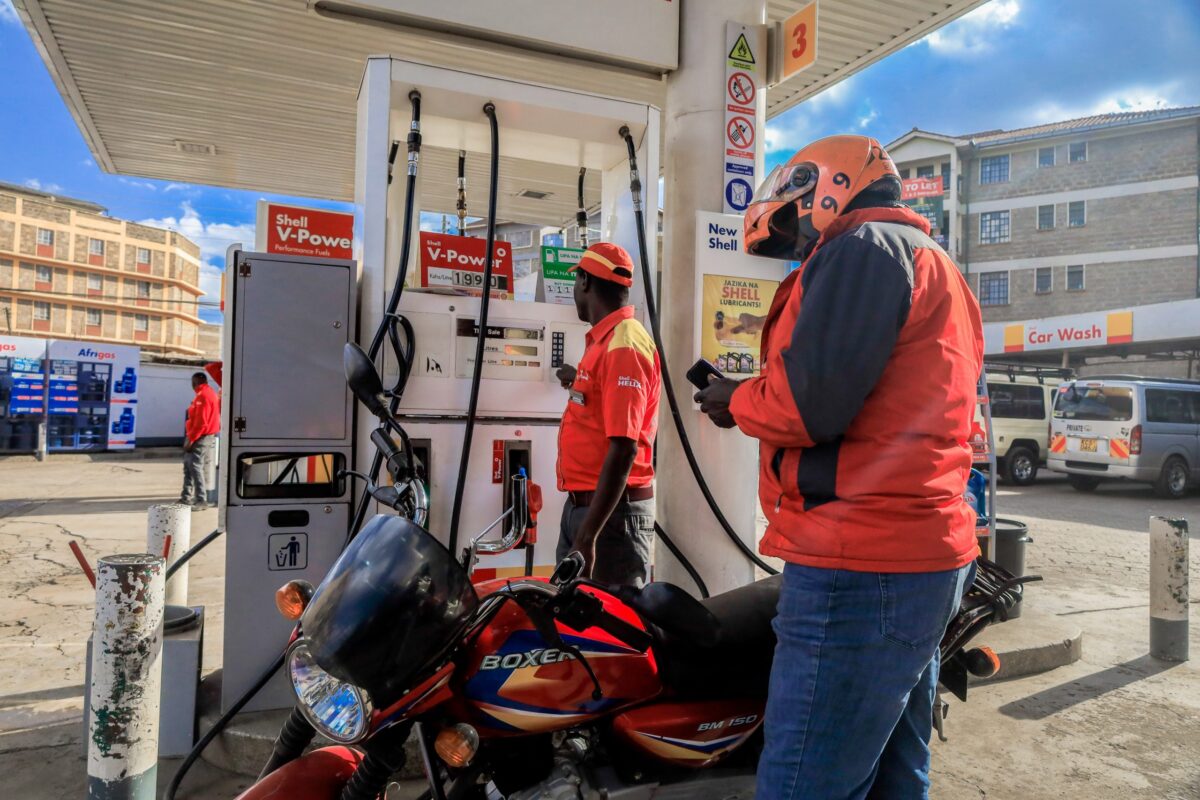
A few extra shillings on the price of fuel may seem insignificant when standing at a petrol station. But across Kenya, that increase can ripple through the economy, affecting everything from matatu fares and food prices to electricity costs and business operations.
Fuel remains one of the most important drivers of economic activity. It powers public transport, moves goods from farms to markets, keeps factories running and supports the logistics networks that connect businesses to consumers. As a result, changes in fuel prices are often felt far beyond the forecourt.
Why Fuel Prices Matter
Every day, thousands of trucks transport food, construction materials and consumer goods across the country. Most rely on diesel, making fuel one of the largest operating expenses for transporters.
When diesel prices rise, transport costs increase. Businesses must then decide whether to absorb the additional expense or pass it on to consumers through higher prices. More often than not, consumers eventually feel the impact.
The Immediate Impact on Matatu Fares
For many Kenyans, the first visible effect of a fuel price increase is a higher matatu fare.
Public transport operators frequently adjust fares when fuel costs rise, arguing that increased operating expenses leave them with little choice. While fare changes vary depending on route and demand, commuters often end up spending more to get to work, school or business centres.
A commuter who spends Sh200 daily on transport could find themselves paying hundreds of shillings more each month following a fuel price hike.
The burden is particularly heavy for low-income households, where transport already consumes a significant share of monthly income.

Food Prices Rarely Stay Behind
The journey from farm to table depends heavily on fuel.
Fresh produce, milk, cereals and other essential goods are transported by road before reaching markets and supermarkets. When fuel prices increase, transporters charge more, wholesalers face higher costs and retailers often adjust prices accordingly.
The result is a more expensive shopping basket.
Even consumers who do not own vehicles often feel the impact through rising food prices. This explains why fuel costs are closely linked to inflation and household spending.

Businesses Face Growing Pressure
Higher fuel prices affect businesses of all sizes.
Manufacturers pay more to transport raw materials and finished products. Delivery companies face increased logistics costs. Small businesses that rely on generators spend more on power during electricity interruptions.
These additional costs can reduce profit margins and slow expansion plans. In some cases, businesses are forced to increase prices to remain operational.
Industry groups have repeatedly argued that lower energy costs would improve competitiveness and help businesses create jobs.

Electricity Costs Can Also Be Affected
While electricity tariffs are influenced by several factors, fuel remains an important component of energy costs.
Businesses and institutions that depend on diesel-powered backup generators often face higher expenses when fuel prices increase. These costs can eventually be reflected in the prices consumers pay for goods and services.
For sectors such as manufacturing, hospitality and healthcare, energy costs remain a key concern.

Why Every Fuel Review Matters
Fuel prices are reviewed regularly, making each announcement closely watched by households, businesses and investors.
A reduction in prices can offer temporary relief and help ease inflationary pressure. An increase, however, can quickly spread through the economy, raising the cost of transport, food and other essentials.
That is why fuel prices often become a national conversation. They affect not only motorists but nearly everyone who buys goods, uses public transport or runs a business
Fuel is more than just a commodity sold at petrol stations. It is a critical input that touches nearly every aspect of daily life.
When prices rise, the effects travel through supply chains, public transport networks and business operations before ultimately reaching household budgets.
For many Kenyans, the real impact of fuel prices is not measured in litres at the pump, but in the growing cost of everyday living.
About the Author