Africa’s monitored wildlife populations have declined by an average of 80 per cent over 52 years, highlighting the mounting pressure on the continent’s ecosystems from habitat destruction, poaching and climate change.
The findings are contained in the Living Planet Report 2026, published by the World Wide Fund for Nature (WWF), which examines changes in monitored animal populations between 1970 and 2022.
Despite the alarming figures, the report points to examples of wildlife recovery where conservation efforts have been sustained and local communities have a meaningful role in protecting the natural resources around them.
The report draws on the Living Planet Index, compiled by the Zoological Society of London (ZSL). It analyses 35,803 population trends covering 5,790 vertebrate species worldwide.
Importantly, the 80 per cent figure does not mean that Africa has lost 80 per cent of all its wild animals or species. It represents the average proportional decline in the sizes of monitored wildlife populations over the period.
Africa among the regions hit hardest
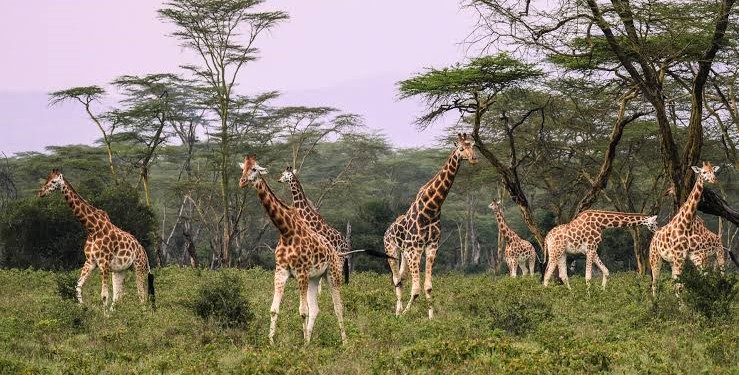
The report identifies Africa as one of the regions experiencing the steepest declines in monitored wildlife populations.
Latin America and the Caribbean recorded an average decline of 95 per cent, followed by Africa at 80 per cent and the Asia-Pacific region at 49 per cent.
Globally, monitored wildlife populations declined by an average of 73 per cent between 1970 and 2022. North America recorded a 28 per cent decline, while Europe and Central Asia registered a 23 per cent fall.
The figures highlight the growing strain on ecosystems, although population trends vary by species, location and conservation conditions.
The index tracks changes in the size of monitored populations rather than providing a count of every animal living in the wild. A decline in the index therefore signals widespread pressure on biodiversity but does not establish that every species or region has experienced the same losses.
Habitat destruction and human activity drive wildlife loss
Habitat loss and degradation remain among the most frequently reported threats to monitored wildlife populations.
Agricultural expansion, logging, mining, road construction and other infrastructure developments can destroy natural habitats or divide them into smaller areas. This can limit access to food, breeding grounds and migration routes.
Wildlife is also threatened by excessive hunting and fishing, pollution, invasive species, disease and climate change.
The report links these pressures to wider economic systems, including how food is produced, how energy is generated and where financial investments are directed.
Agriculture is a major driver of habitat destruction, while the continued use of fossil fuels contributes to climate change. These pressures can compound one another, leaving wildlife increasingly vulnerable.
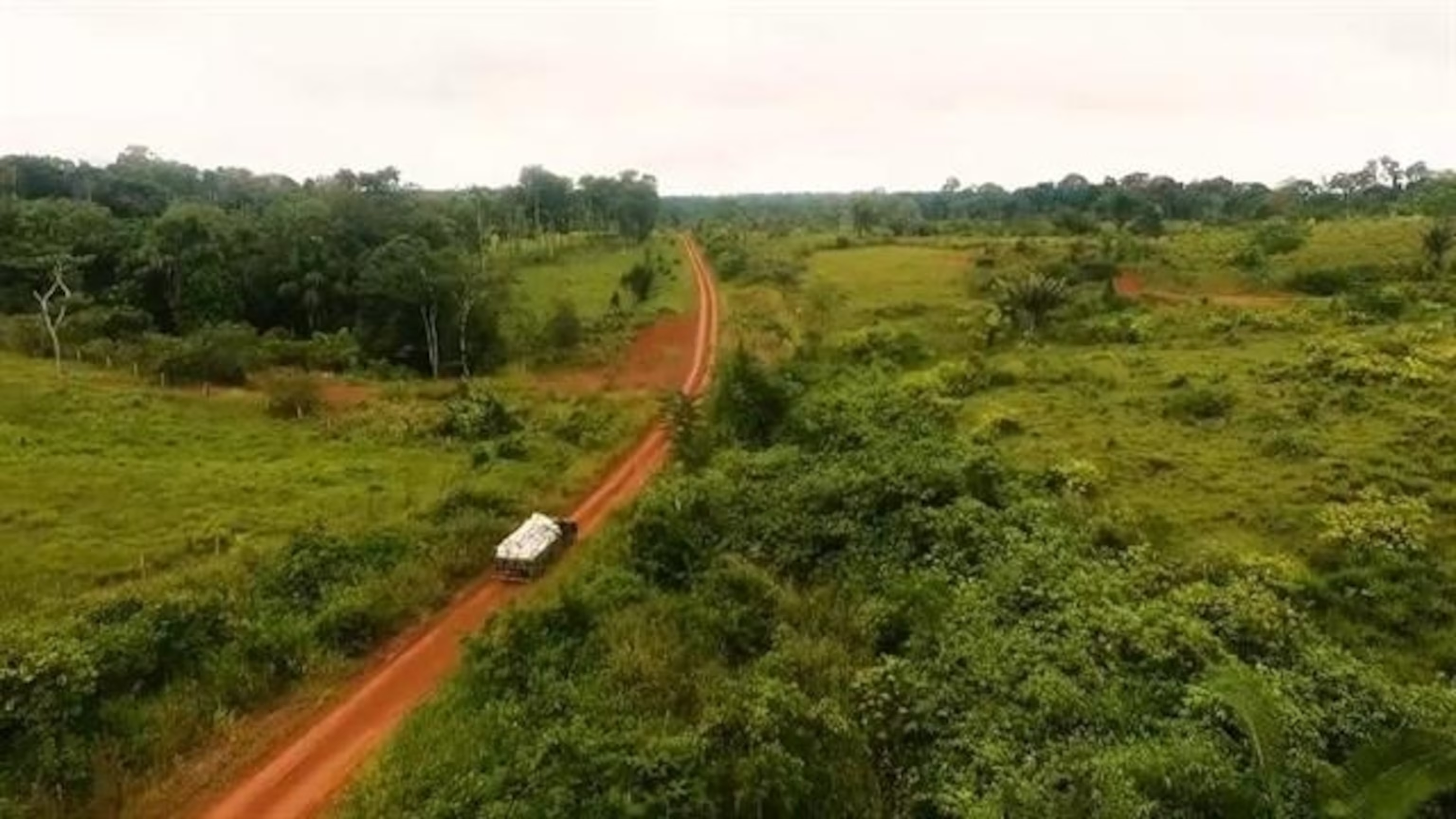
Conservation efforts must therefore go beyond protecting individual animals. They also need to address the activities that destroy habitats and weaken the ecosystems on which wildlife depends.
Congo basin forests face growing pressure
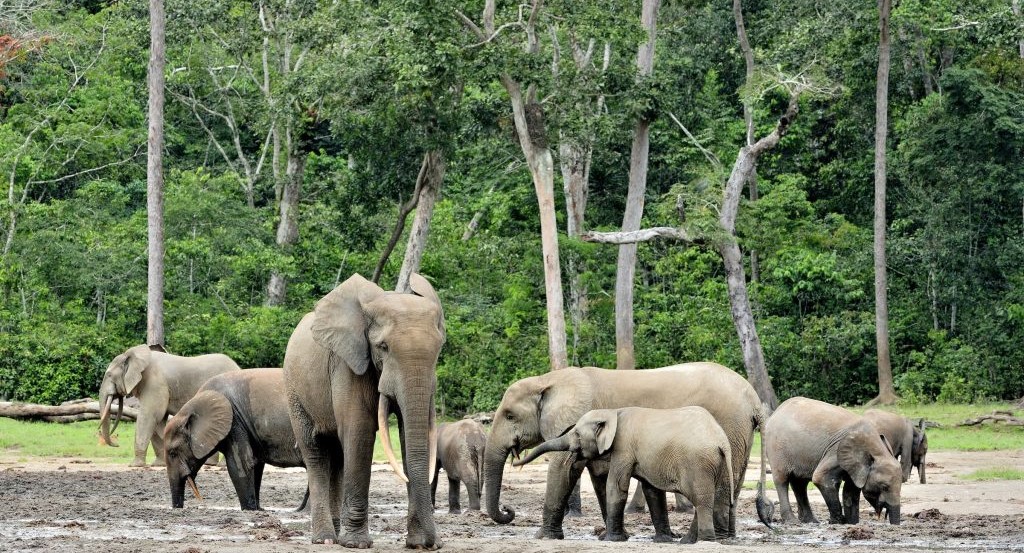
The Congo Basin, home to forest elephants, great apes, bonobos and okapis, is facing growing pressure from human activity.
Agricultural expansion, commercial logging, mining and infrastructure projects are altering forests across the region. Unsustainable hunting and poaching are adding to the threats.
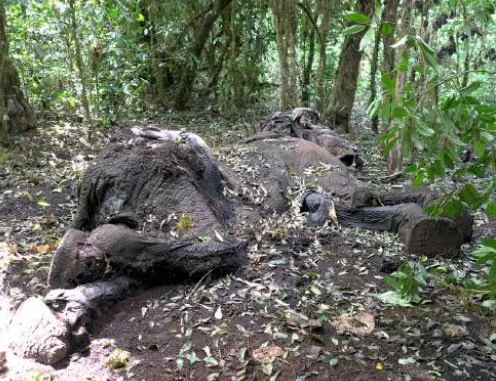
According to WWF, African forest elephant numbers have fallen by more than 60 per cent over past decades, largely because of illegal killing for ivory and habitat loss.
The decline has consequences beyond the survival of the species. Forest elephants help disperse seeds and support forest regeneration, contributing to the health of tropical ecosystems and their ability to store carbon.
Nadège Nzoyem, WWF’s regional director for the Congo Basin, called for coordinated action involving governments, civil society and other sectors, with Indigenous Peoples and local communities at the centre of conservation efforts.
She said durable conservation depends on communities, traditional leaders and institutions having the authority, responsibility and tangible benefits needed to protect nature.
Conservation efforts show wildlife can recover
Despite the widespread decline, the report identifies encouraging signs of recovery among several species, including green sea turtles, bluefin tuna, tigers and some populations of southern African elephants.
The findings suggest that sustained conservation efforts can produce measurable results when they are backed by clear goals, effective enforcement and long-term planning.
The report also notes that around half of the wildlife populations included in the global Living Planet Index are stable or increasing, even as the overall trend remains negative.
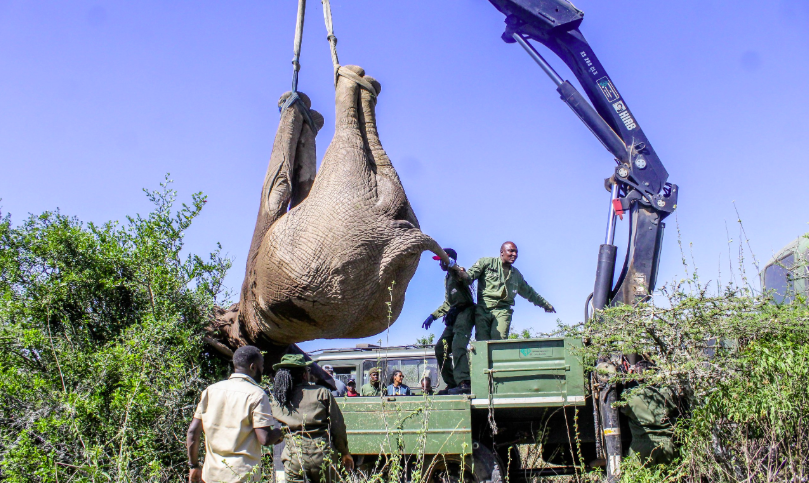
In parts of southern Africa, some elephant populations have increased where conservation frameworks give local communities a direct role in managing land and wildlife. Anti-trafficking measures, legal reforms and efforts to tackle corruption have also supported progress.
Yvonne Godo, WWF’s regional director for East and Southern Africa, said recovery must benefit people as well as wildlife.
“Wildlife recovery is not the end of the story; it is the beginning of a new responsibility,” she said.
She added that the challenge was to create a future in which communities and wildlife could thrive together.
Governments urged to turn conservation pledges into action
The report warns that conservation projects alone will not reverse biodiversity loss if the economic activities driving habitat destruction continue unchecked.
Food production, energy systems and financial investment all need to play a greater role in protecting nature.
In agriculture, this includes supporting more sustainable farming practices, reducing food waste and improving consumption patterns while safeguarding food security and livelihoods.
The financial sector also faces pressure to stop supporting activities that damage ecosystems and to account for environmental risks when making investment decisions.
WWF estimates that the annual biodiversity financing gap stands at US$942 billion, underlining the scale of the funding challenge facing conservation efforts.
The report calls on governments to implement commitments under the Kunming-Montreal Global Biodiversity Framework and the Paris Agreement on climate change.
Durrel Halleson, WWF Africa’s head of policy and partnerships, said African countries needed to align biodiversity protection with climate action, land management and development priorities.
He called for adequate and accessible financing, stronger policy coordination and action led by local communities.
Why wildlife loss matters beyond conservation
The decline of wildlife populations has consequences that extend well beyond national parks and protected areas.
Healthy ecosystems support food production, provide clean water and contribute to medicine, air quality and protection against climate shocks. They also support tourism and livelihoods in communities that depend on natural resources.
When ecosystems deteriorate, the effects can spread through local economies and threaten the natural systems on which people depend.
The report highlights the need for changes across food, energy and financial systems to ensure that economic development does not come at the expense of nature.
It also points to research suggesting that large, complex systems can shift towards healthier conditions once key thresholds are crossed. Such changes may become self-reinforcing, creating opportunities for faster recovery.
However, the report cautions against treating isolated successes as evidence that the wider crisis has been resolved.
The recovery of individual species offers hope, but reversing the overall trend will require sustained action to protect habitats, reduce pollution, address climate change and ensure that communities benefit from conservation.
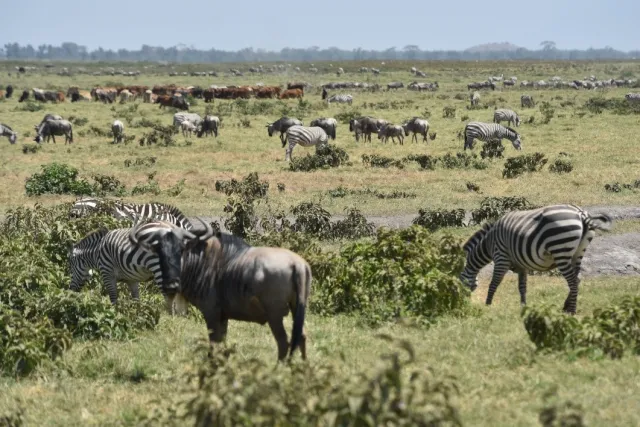
Africa’s 80 per cent decline in monitored wildlife populations is a stark warning about the pressures facing the continent’s natural environment.
Yet the recovery of some species shows that losses are not always irreversible.
The challenge now is to expand successful conservation programmes while tackling the wider economic activities driving habitat destruction and climate change.
For African governments, conservationists and local communities, the task is not simply to protect the wildlife that remains. It is to rebuild the conditions that allow both nature and people to thrive.
About the Author