
Kenya is moving to change how farmers choose fertiliser, with Agriculture and Livestock Development Cabinet Secretary Mutahi Kagwe warning that subsidised farm inputs can still go to waste when they do not match the soil.
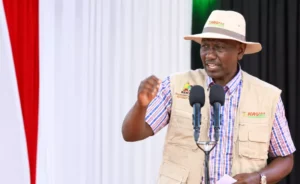
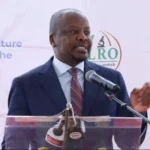
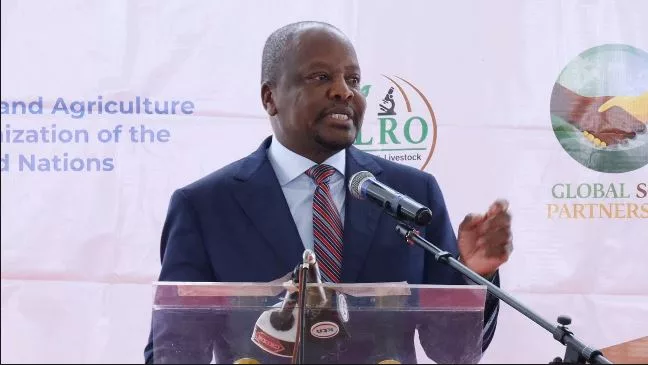
Kagwe made the remarks today Tuesday at the Kenya Agricultural and Livestock Research Organisation (KALRO) in Kabete, where he launched a national soil health programme aimed at giving farmers more precise information about their land.
He said about 63 per cent of Kenya’s arable land is acidic, with nearly seven million acres classified as strongly acidic.
“A bag of the wrong fertiliser, delivered on time, at half the price, to the wrong soil, is still the wrong fertiliser,” Kagwe said.
“Subsidy without a soil test is sympathy. It is not strategy.”
Government begins nationwide soil mapping
The new initiative brings together three programmes: the National Soil Partnership, the National Soil Laboratory Network and the national rollout of the Global Soil Doctors Programme.
Kagwe also handed over refurbished KALRO Soil Chemistry Laboratories in Kabete, valued at Sh220 million.
The government says the laboratories will help reduce the time farmers wait for soil-test results.
“A soil result that arrives after the rains have come is a historical document, not a farming decision,” Kagwe said.
KALRO has been working on a wider digital soil-mapping programme covering 45 counties. The project targets about 77,000 soil samples to establish updated information on soil fertility and nutrient levels.
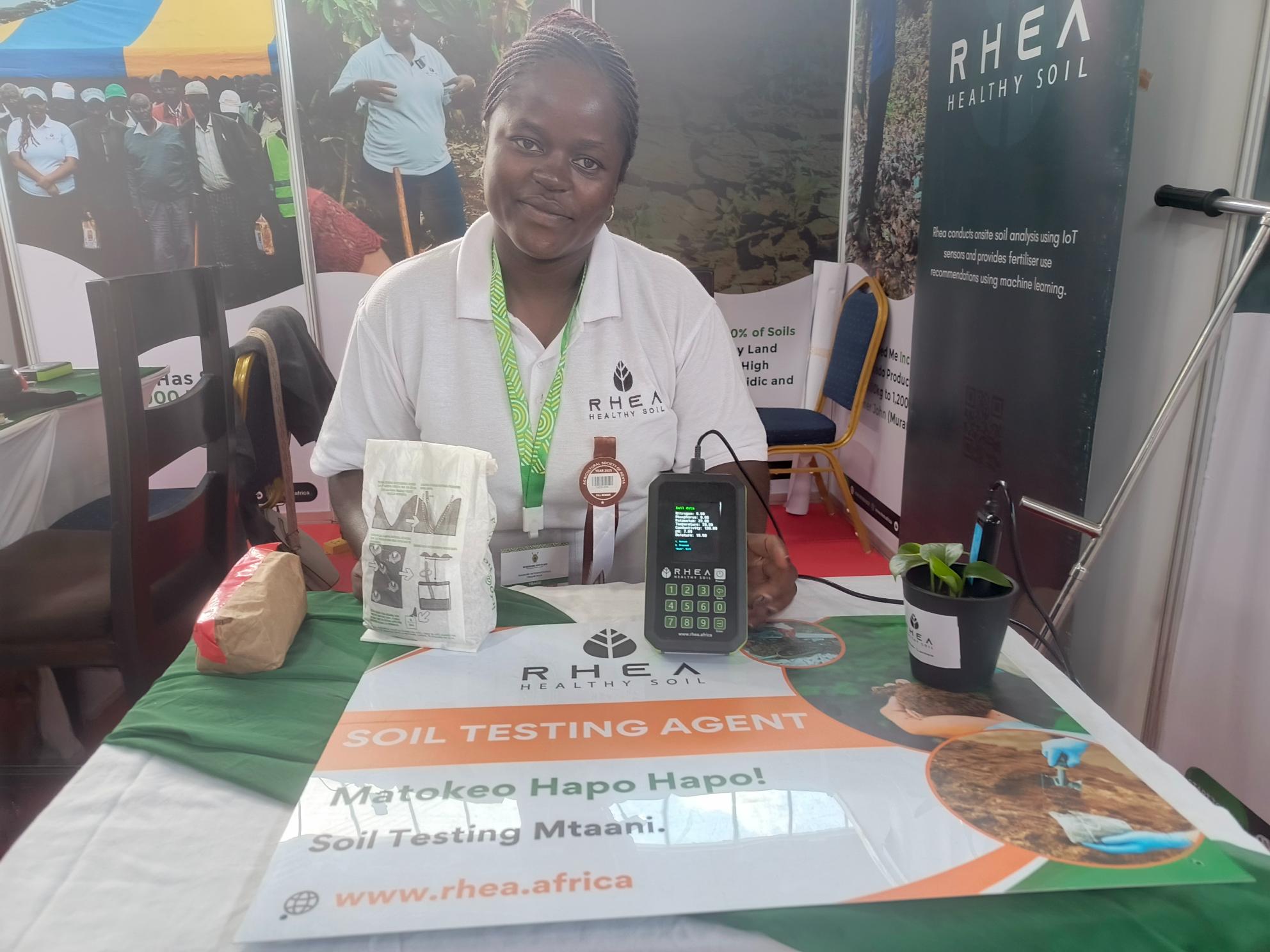
The data is expected to produce county-level soil fertility maps and help guide recommendations on fertiliser and other soil amendments.
Fertiliser recommendations to become more specific
Kagwe said the government also plans to work towards linking soil-test information with the Kenya Integrated Agricultural Management Information System, known as KIAMIS.
More than eight million farmers are registered on the system, according to Kagwe.
The proposed linkage could eventually allow agricultural support and fertiliser recommendations to take account of the conditions of individual farms rather than relying largely on broad regional recommendations.
Farmers examine soil conditions in a field during an on-farm soil testing exercise in Kenya.
Kagwe recalls farming mistakes
Kagwe used his own farming experience to explain why soil testing matters.
He said he once bought the fertiliser commonly used in his area without first checking what his soil needed.
A later soil test, he said, showed that he had been adding nutrients that were already present while failing to address others that were lacking.
“I was not farming. I was gambling. I was farming blind,” Kagwe said.
He compared soil testing with a medical diagnosis, drawing on his earlier experience as Health Cabinet Secretary. Farmers, he said, should know what is missing from their soil before deciding what to apply.
Counties urged to support testing
Kagwe called on county governments to help finance soil testing and make the services more accessible to farmers.
He also encouraged farmers working on acidic soils to consider lime, while maintaining organic matter in their land.
Soil acidity has been documented as a significant agricultural challenge in Kenya, although its severity varies between regions.

Crackdown on poor-quality inputs continues
Kagwe said the government would also maintain its crackdown on counterfeit, expired and substandard agricultural inputs.
He argued that soil testing would have limited value if farmers were then sold products whose contents did not match their labels.
The CS also appealed to the Public Service Commission to allow KALRO to recruit additional researchers. He said the organisation is expected to receive 170 pieces of research equipment and needs enough specialists to put them to use.
“We cannot invest in equipment and then lack the people to put it to work,” Kagwe said.
He urged farmers to test their soil before planting and treat their land as a long-term asset.
“For a hundred years we have asked our soils what they can give us. Today we begin, at last, to ask them what they need,” he said.
About the Author