More than 130 residents of Chandavai in Lamu County have gone to court seeking to stop preparations for the proposed Dangote East Africa Refinery, days before its scheduled groundbreaking.
The residents say their families have occupied and used the disputed land for generations. They argue that construction activities risk destroying homes, crops, trees and other property without adequate compensation or resettlement.
The case comes as preparations intensify for the September 30 groundbreaking of the refinery, a project backed by Nigerian businessman Aliko Dangote and the Africa Finance Corporation. The planned facility is expected to process up to 700,000 barrels of crude oil a day.

Residents challenge land acquisition
The 133 plaintiffs have sued several government agencies, including the Office of the President, the Ministry of Defence, the State Department for Lands and Physical Planning, the National Land Commission and the Lamu County Government.
Dangote Industries and two companies described as contractors are also named in the case.
The residents say they have long occupied identifiable portions of land in Chandavai, where families have farmed, kept livestock and built homes and community structures.
They acknowledge that many do not hold formal title deeds. But they argue that generations of occupation and use give them interests in the land that should be recognised during any acquisition process.
Claims of destruction and displacement
According to court documents, the residents allege that government officers and agents associated with LAPSSET entered the disputed area with heavy machinery in August 2024.
They claim crops, trees and other property were destroyed without prior notice, consultation or compensation.
The residents also say some families were forced to move into rented accommodation as infrastructure works expanded around Manda Bay.
They argue that some affected property, including ancestral homes, graves and long-standing community structures, cannot simply be replaced with financial compensation.
Dangote project adds new pressure
The land dispute has gained renewed attention as work on the proposed refinery gathers pace.
The plaintiffs say soil testing and other preparatory activities linked to the refinery began in July 2026.
They further allege that police officers, chiefs and other government officials cleared one of the disputed parcels on September 10, ahead of the planned groundbreaking.
The residents say they later learnt that the government had begun a compulsory acquisition process involving land in Lamu.
They contend that the process could leave people who have occupied and used the land for generations without compensation because their interests are not reflected in formal land records.
Government and investors point to a major industrial project
The court challenge comes as the government promotes the refinery as a major investment for Kenya and the wider region.
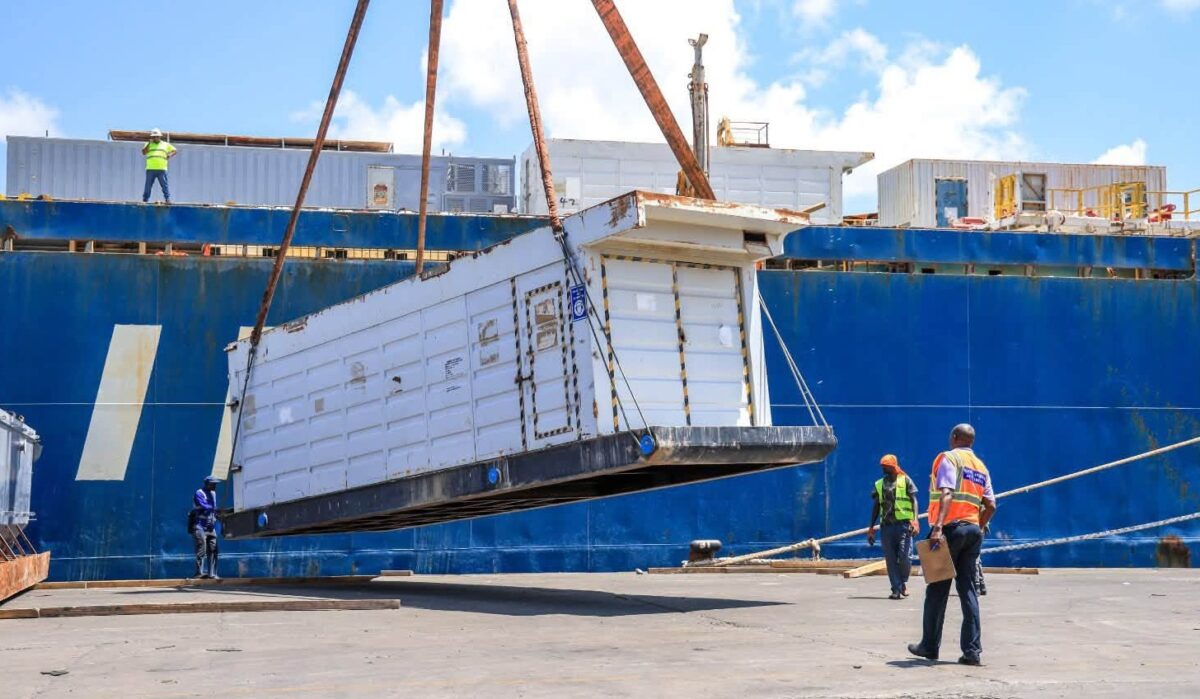
The planned facility is expected to have a capacity of 700,000 barrels per day and form part of a wider industrial complex in Lamu. Heavy machinery weighing about 2,930 tonnes arrived at Lamu Port on September 26 ahead of the planned groundbreaking.
Dangote has also said the Lamu project will include a power plant capable of generating up to 1,000 megawatts, with part of the electricity potentially supplied to Kenya.
The government has presented the project as an opportunity to expand Kenya’s industrial base and strengthen regional petroleum supplies.
But residents say economic benefits should not come at the expense of communities whose land and property are affected.
Court asked to halt further works
The residents are asking the court to intervene before further construction and excavation take place.
They argue that the authorities should first identify everyone with an interest in the land, complete the required notices and valuation processes, and address compensation before taking possession.
They have also raised constitutional and environmental concerns, citing alleged violations of property rights, fair administrative action and access to information.
The dispute now places three competing interests at the centre of the Lamu project: the government’s plans for large-scale infrastructure, Dangote’s proposed refinery and the land claims of residents who say their families have lived on the affected land for generations.
With the groundbreaking scheduled for September 30, the court case has introduced a significant legal dispute just as the project moves towards construction.
About the Author