


Former Deputy President Rigathi Gachagua has accused President William Ruto’s administration of mistreating Maasai communities, after hundreds of livestock were reportedly killed during a security operation in Samburu County.
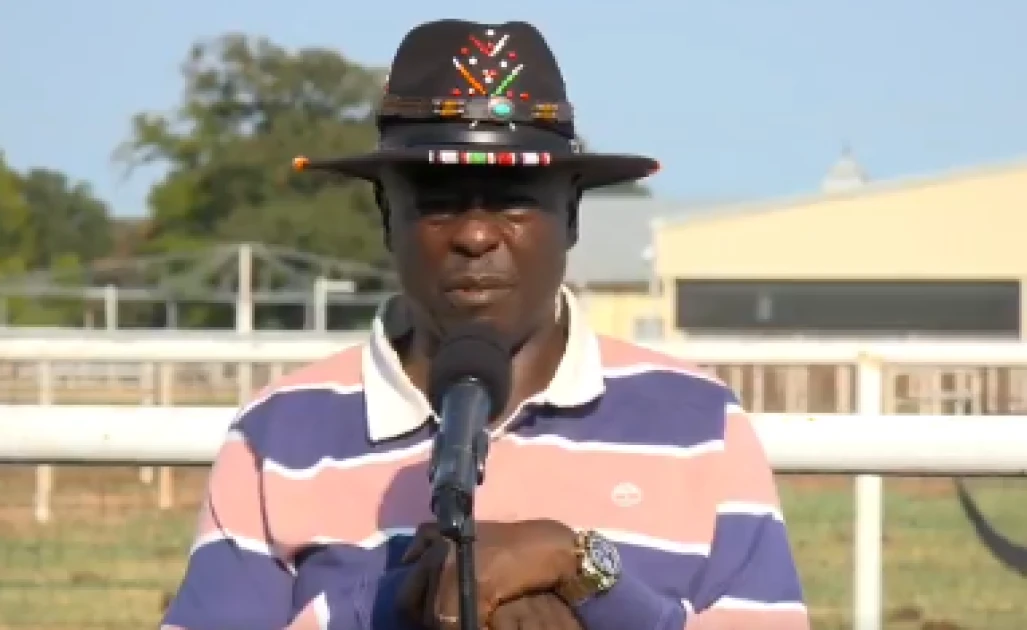
Gachagua, speaking in Texas in the United States, said he had received calls from residents in Samburu, Narok and Kajiado who were seeking his intervention over what they described as worsening grievances.
His remarks come as pressure grows on the government to explain the deaths of livestock during an operation targeting banditry and cattle rustling in Samburu East.
Gachagua condemns livestock deaths
Gachagua said the killing of livestock was unacceptable and accused Interior Cabinet Secretary Kipchumba Murkomen of deploying security officers who shot animals belonging to pastoralist families.
“Cows that have done no wrong, that have not opposed William Ruto, that do not vote, that cannot say ‘one term’ or ‘Ruto must go’ were shot,” Gachagua said.
He argued that the incident had deepened feelings of abandonment among Maasai communities.
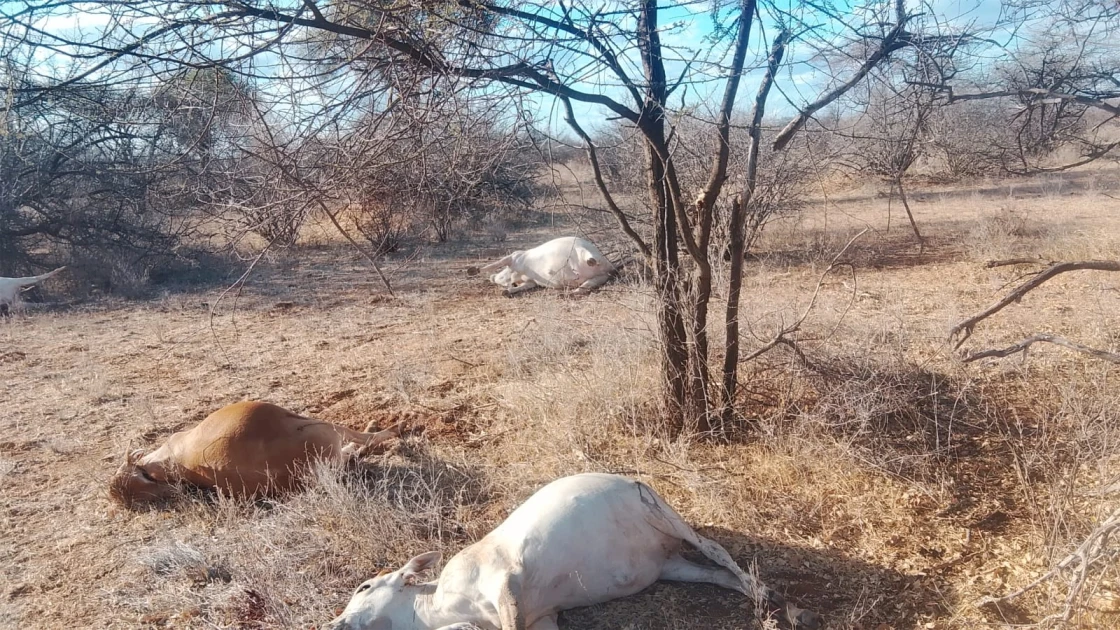
His comments followed reports from Samburu residents who said hundreds of cattle, goats and other animals were killed during the security operation.
The Standard reported that residents had asked the National Assembly to summon Inspector General of Police Douglas Kanja over the deaths of 517 animals — 415 goats and 102 cattle — during the operation.
Security operation leaves families counting losses
The operation was launched after a series of deadly attacks linked to banditry and cattle rustling along the Samburu-Isiolo border.
Authorities have said the security campaign is aimed at recovering stolen livestock, removing illegal firearms and dismantling armed groups operating in the region.
But residents in parts of Samburu East say the operation has also caused significant losses to pastoralist families.
Samburu Governor Lati Lelelit said on Monday that more than 700 animals, including cattle, goats, sheep and donkeys, had allegedly been killed, with losses estimated at about Sh70 million. He called for investigations and compensation for affected families.
The differing figures reported by local leaders and residents have not been independently reconciled.
Murkomen acknowledges livestock were killed
Murkomen has acknowledged that livestock died during the operation but rejected calls to halt the broader security campaign.
He said the government regretted the loss of animals and had instructed security agencies to exercise greater caution.
“I know that in the course of the operation there were a few livestock that were killed,” Murkomen said, adding that officers had been directed to minimise collateral damage.
The Interior Ministry has maintained that the operation is necessary because of continued attacks by armed groups.
The government has also received support from some leaders and residents in neighbouring Isiolo and Meru, who have urged authorities to continue the crackdown against banditry and recover stolen animals.

Land claims add another layer
Gachagua also broadened his criticism beyond the livestock deaths.
He alleged that Maasai communities had lost land in areas including Kibiko, Amboseli and Narok. He further claimed that some disputed land contained valuable minerals, including lithium.
Those allegations have not been independently established in the reports reviewed for this story.
Gachagua said the grievances extended beyond land and security, arguing that some affected communities continued to face inadequate access to roads, water and other public services.
He also criticised elected leaders in Samburu and Narok for what he described as a failure to speak publicly about the concerns of their constituents.
Gachagua said he planned to return to Kenya next month and meet affected communities to discuss the issues.
The dispute remains centered on the security operation and the fate of the livestock killed during it. Residents are seeking answers and compensation, while the government says it will continue its campaign against armed groups but has ordered officers to limit harm to civilians and their property.
About the Author