Kenya is moving to bring its wildlife records under one roof, as conservationists and researchers push for better information to guide decisions about the country’s natural heritage.
The proposed National Wildlife Database would bring together years of research now spread across government agencies, universities, conservation groups and independent researchers.
The Wildlife Research and Training Institute, or WRTI, says the platform could give Kenya a clearer picture of its wildlife, habitats and conservation threats.
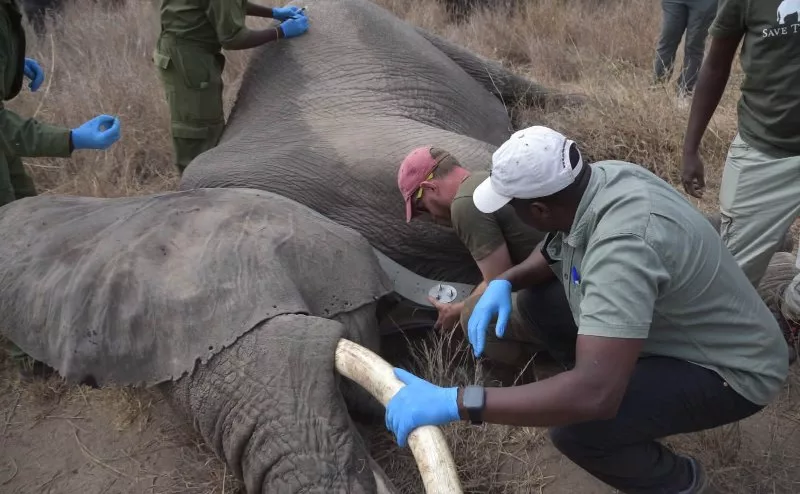
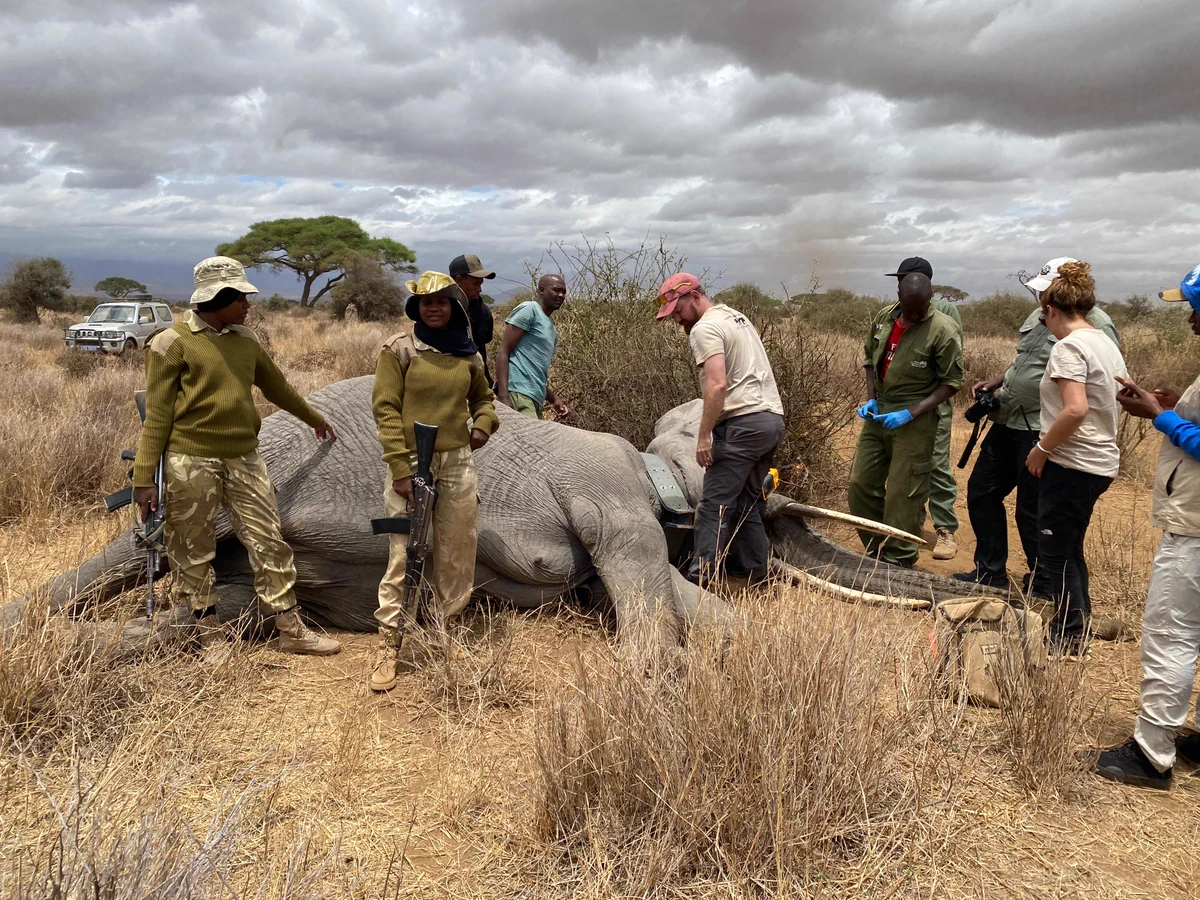
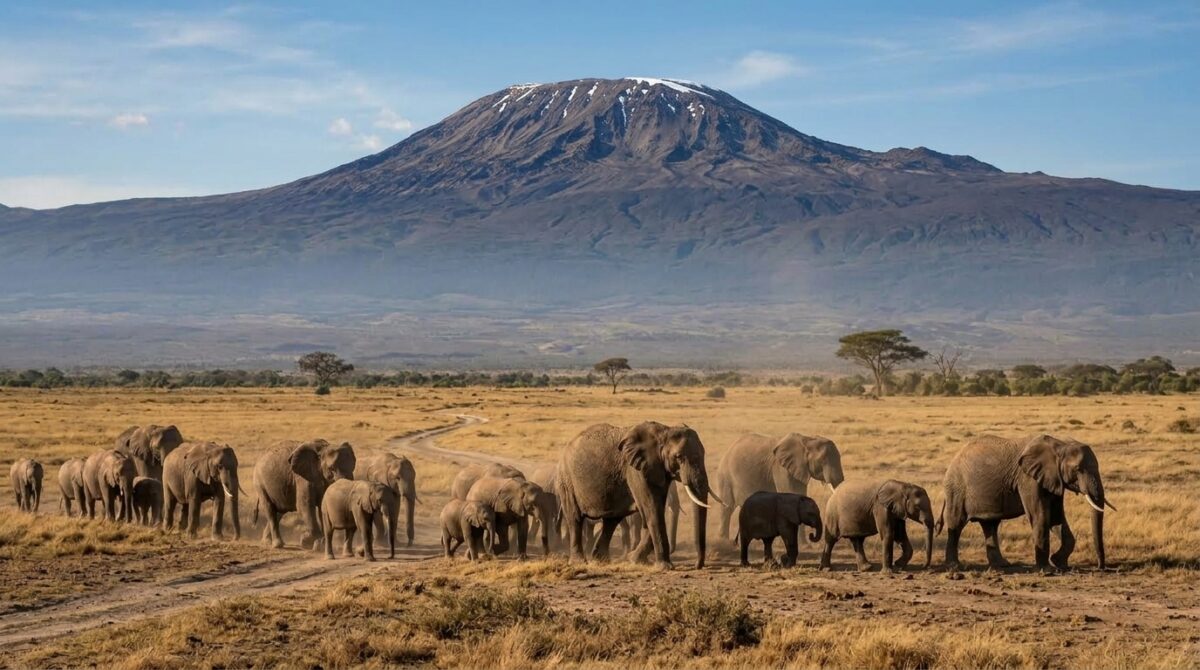
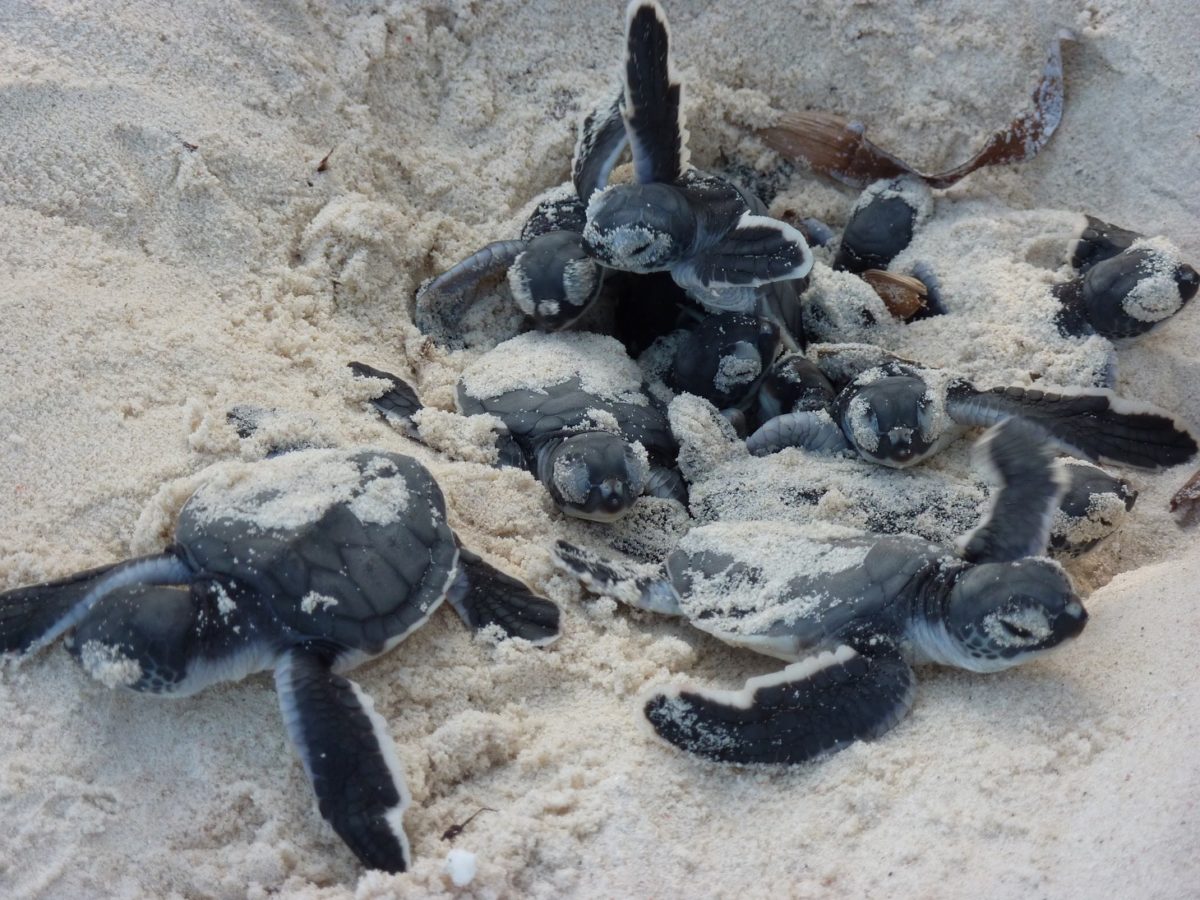
For years, important information has been collected in the field. Researchers have tracked elephants across Tsavo, monitored sea turtles along the Indian Ocean and studied endangered birds in coastal forests.
But much of that work remains scattered across separate databases, reports and archives.
At a stakeholders’ forum in Malindi, WRTI Director Patrick Omondi said the proposed database was intended to close that gap.
“It is a legal requirement,” Mr Omondi said, referring to the Wildlife Conservation and Management Act of 2013, which requires WRTI, working with the Kenya Wildlife Service and other stakeholders, to establish a national wildlife database.
He said organisations and individuals collecting wildlife information also have a responsibility to share relevant data.
“For a long time, we have been having this data in isolation. One of the mandates of the institute is to establish and bring all this data together,” he said.
The proposed system would hold information on wildlife species, habitats, migration routes, population trends and conservation threats.
Omondi said the database would also help connect scientific research with planning, policy and investment decisions.
“Through this database, we are building an information architecture that will enable science to support planning, policy, investment and sustainable utilisation of our natural resources,” he said.
Why the data matters
For conservationists, reliable information can mean the difference between knowing a problem exists and knowing where, why and how it is happening.
Records of animal numbers, habitats and migration patterns can help inform decisions about protected areas, wildlife corridors, habitat restoration and conservation funding.
Migratory species present an even bigger challenge because they do not stop at national borders.
Omondi cited sea turtles, which travel thousands of kilometres across international waters.
“You can only defend that position so that India or China can protect migratory species if you share your data,” he said.
Information about migration routes can help countries coordinate efforts to protect animals that move between different jurisdictions.
David Nkedianye, chairman of the WRTI board, said conservation could no longer depend on information held separately by different institutions.
“Modern conservation cannot be separated from reliable information,” he said.
He said the national database should be treated as a shared resource rather than a system belonging to a single institution.
“The national wildlife database must be a shared national resource. Its success will depend on strong collaboration among government agencies, researchers, conservation organisations, communities and other stakeholders,” he said.
That cooperation will be important as the institute develops the platform. Stakeholders at the Malindi meeting were asked to review its proposed features and provide technical and practical recommendations.
From the field to national planning
Conservation groups say they have years of information that could add value to the project.
Colin Jackson, director of A Rocha Kenya, said data is at the centre of conservation work.
“Data is the basis for all decisions that are made in conservation,” he said.
Before a species can be protected, conservationists need to know where it occurs, how large its population is and what threats it faces.
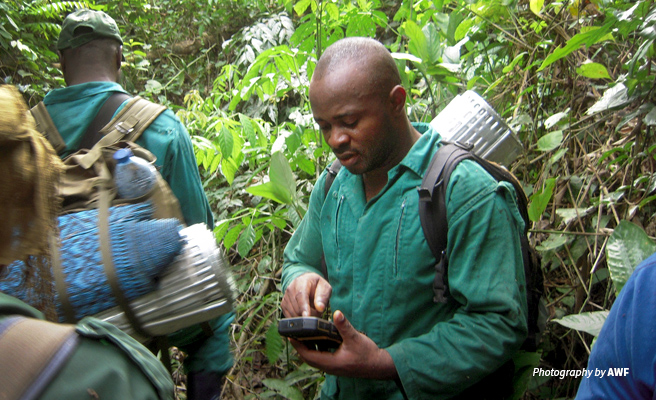
“If you want to try and protect an area at all, or a species, you need to know, first of all, where that species is, how many there are, what affects it, how big the population is and where they occur,” Mr Jackson said.
A Rocha Kenya is among the organisations that could contribute information gathered through long-term monitoring of birds, sharks and other wildlife.
The database could also have implications beyond conservation.
Environmental agencies and developers often need information about species and sensitive habitats when considering proposed projects. Jackson said such data could help determine whether development plans are appropriate for a particular location.
“If a company wants to develop a particular area, data like this is critical for informing the National Environment Management Authority and other government agencies, and even the developer themselves, whether it’s feasible to go ahead with that development,” he said.
The proposed database is expected to allow users to search for information about species, habitats and locations.
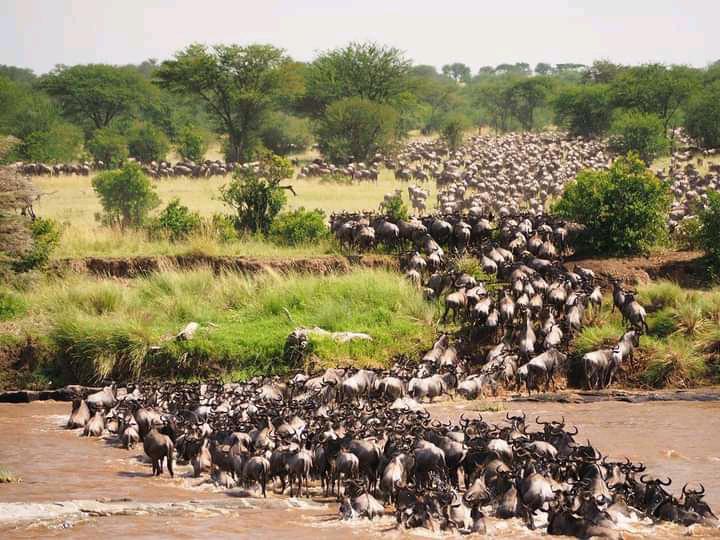
For Kenya’s conservation community, the challenge now is turning that ambition into a system that researchers, government agencies, communities and conservation organisations can all use.
The institute is gathering recommendations from consultations in Malindi, Voi and elsewhere as it works on the next stage of the National Wildlife Database.
About the Author