
Fresh relief has been offered. The government has extended the reduced 8 per cent Value Added Tax (VAT) on petroleum products for another three months.
The tax relief will remain in place until October 14, 2026. A KSh945 million subsidy has also been approved to help keep fuel prices unchanged during the July–August pricing cycle.
The measures have been announced as global oil markets remain unsettled by renewed tensions in the Middle East.
Relief Extended for Consumers
The extension was confirmed on Tuesday by Energy and Petroleum Cabinet Secretary Opiyo Wandayi.
He said the decision had been reached after consultations with the National Treasury.
“As part of the Government’s commitment to cushioning households and businesses from international market volatility, we have extended the application period for 8% VAT on petroleum products for a further three months, until 14th October 2026,” Wandayi said.
He added that KSh945 million would be released from the Petroleum Development Levy to support current pump prices.
Pump Prices to Be Protected
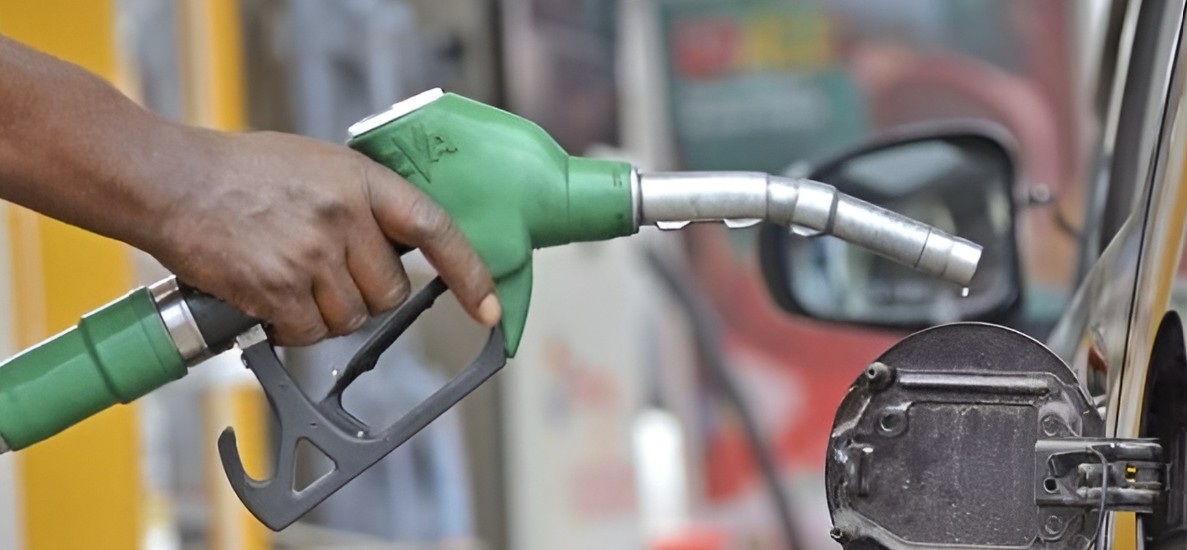
The subsidy will be used to reduce the impact of rising international oil prices on consumers.
The reduced VAT was first introduced in April after President William Ruto signed the Value Added Tax (Amendment) Act, 2026, cutting fuel VAT from 16 per cent to 8 per cent.
The move followed a sharp rise in global fuel prices linked to instability in the Middle East.
Fuel Supply Declared Stable
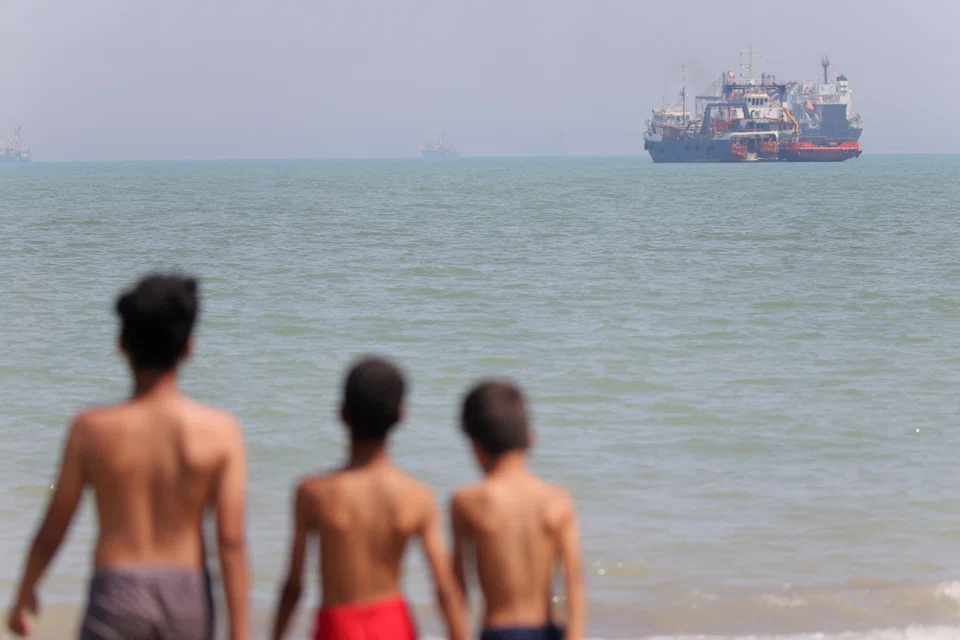
Despite renewed tensions around the Strait of Hormuz, Kenyans have been assured that fuel supplies remain secure.
According to Wandayi, the country has adequate fuel stocks.
Imports have continued without interruption.
“These global developments have not affected the availability of petroleum products in our country,” he said.“Fuel remains readily available across the country, supported by adequate national stocks and a fully operational import and distribution system.”
Government Defends Import Deal
The Cabinet Secretary credited Kenya’s Government-to-Government fuel import arrangement for helping keep costs under control.
He said countries buying fuel through the open market had faced higher freight and insurance costs.
Kenya, he said, has been shielded from those increases.
“Every scheduled cargo has arrived and offloaded on time, and fuel has remained available at the pump throughout the country,” Wandayi said.
Global Risks Still Remain
International oil prices have continued to react to developments in the Middle East.
Commercial shipping through the Strait of Hormuz has also slowed in recent weeks.
Even so, the government said it would continue monitoring global markets while taking steps to limit the impact on households and businesses.
Economy to Be Shielded
The government said the latest measures are intended to protect consumers while supporting businesses that depend on stable fuel prices.
Motorists, public transport operators, manufacturers and farmers have also been assured that fuel stocks remain sufficient.
Wandayi said efforts would continue to ensure a steady supply and keep prices as stable as possible despite uncertainty in global energy markets.
About the Author