
Life. Seasoned with perspective.
A reflection on the promise of young people and the leadership needed to unlock their potential. It reminds us that the future of any nation depends on how well it empowers its next generation.
Kenya is sitting on its greatest resource.
The youth.
Whether that resource becomes our greatest competitive advantage or our greatest national disappointment depends largely on the choices we make today. That responsibility does not rest with young people alone. It belongs to all of us.
And perhaps nowhere is that responsibility more important than in leadership.
According to the Kenya National Bureau of Statistics, nearly 80 percent of Kenya’s population is aged thirty-five years and below. The country’s median age is about twenty years, making Kenya one of the youngest nations in the world.
Think about that for a moment.
Our greatest natural resource is not buried underground.
It is walking our streets.
Sitting in classrooms.
Starting businesses.
Looking for jobs.
Dreaming of a better tomorrow.
The question is whether we are creating an environment where those dreams can flourish.
When I was growing up, there was one message repeated over and over again.
Go to school.
Study hard.
Work harder.
A good job awaits you.
Some musicians even immortalized that dream. Many people of my generation still remember the famous lyrics, “Someni vijana, muongeze tena bidii. Mwisho wa kusoma, mtapata kazi nzuri sana.”
Study hard, and one day you will find a good job.
For many young Kenyans today, however, that promise feels increasingly distant.
The challenge is no longer simply access to education.
It is opportunity.
Thousands of graduates leave universities and colleges every year only to discover that even entry level jobs are difficult to find.
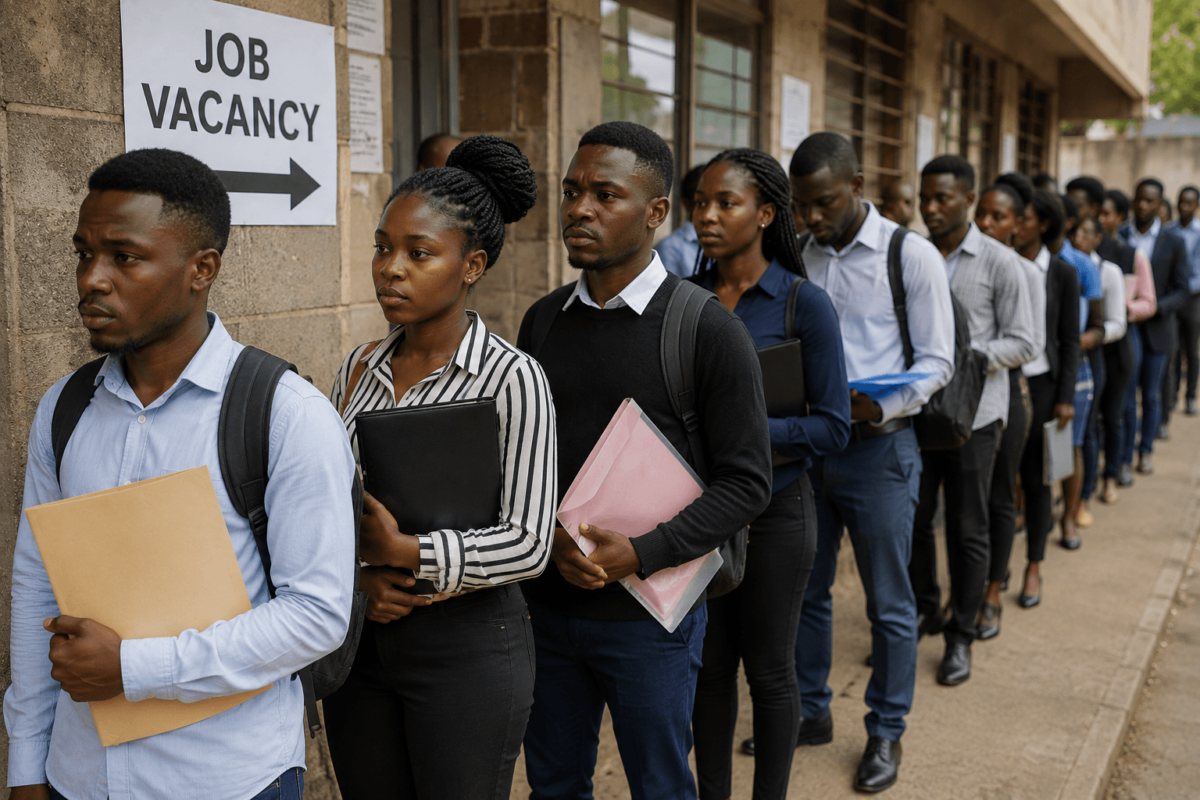
Others choose entrepreneurship, not because it was their first choice, but because they have few alternatives.
The frustration is understandable.
During the 2022 General Election, young people became the most sought after voting bloc. Political parties competed for their attention. Campaign promises centred on employment, enterprise, innovation, and economic empowerment. Celebrities were enlisted to help mobilize the youth vote because everyone understood just how influential this generation had become.
Hope was created.
Expectations were raised.
Then reality arrived.
For many young people, progress has not matched the promises.
That growing frustration became impossible to ignore on June 25, 2024.
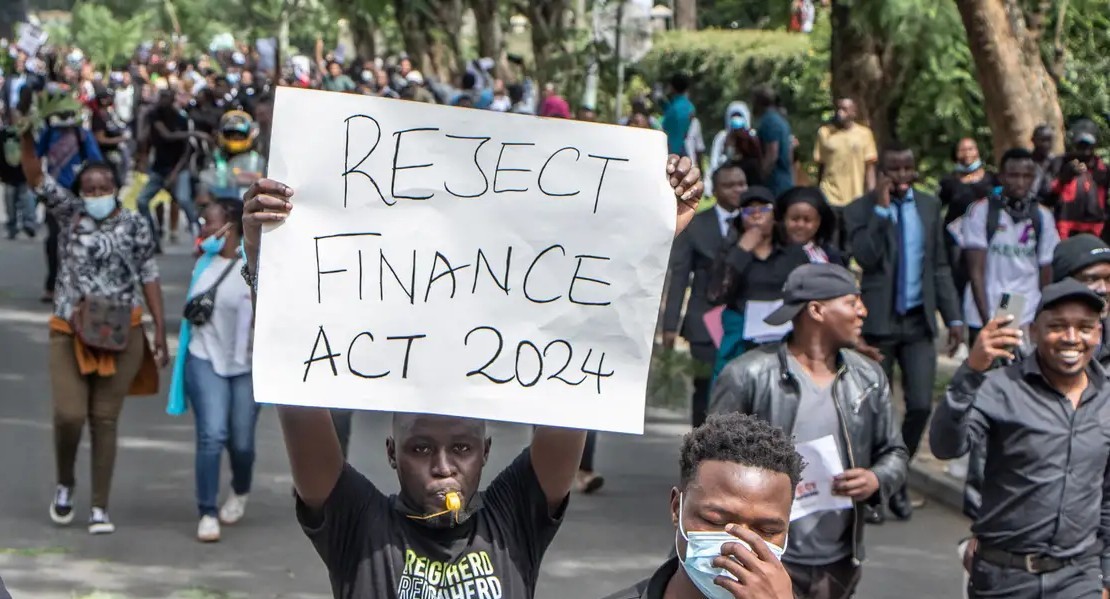
Young people took to the streets in one of the most defining moments in Kenya’s recent history. Regardless of where one stood politically, one message became unmistakably clear.
The youth were demanding to be heard.
Not tomorrow.
Now.
That moment should have been a wakeup call for everyone.
Not because of the demonstrations themselves.
But because they exposed something much deeper.
Young people are no longer content with watching from the sidelines. They want to participate in shaping the future they will inherit.
Unfortunately, another trend has also emerged.
Political violence continues to rear its ugly head. In many instances, those throwing stones, engaging in criminal activity, or being recruited into organized violence are young people.
That should concern us.
Not because young people are the problem.
But because wasted potential is dangerous.
An unemployed young person is not automatically a criminal.
Far from it.
But prolonged hopelessness creates fertile ground for manipulation.
When opportunity disappears, someone else is always willing to exploit the vacuum.
That is why leadership matters.
This past week, I asked my elder brother, Tim, a rather provocative question.
Does age matter in leadership?
His response came almost immediately.
Not necessarily.
Competence matters more.
Then he added something that stayed with me.
“The best leadership is a healthy mix of youth and experience.”
I could not agree more.
Young leaders bring fresh ideas, energy, technological understanding, and a better appreciation of the realities facing their generation.
Older leaders bring wisdom, perspective, institutional memory, and experience gained over many years.
One without the other leaves a gap.
Kenya needs both.
It is also time for more young people to step forward and offer themselves for leadership. Leadership is not reserved for a particular age. Every generation has a responsibility to shape its own future.

At the same time, those already in positions of influence have an equally important responsibility.
To mentor.
To listen.
To create space.
Not to fear the youth, but to prepare them.
Because policies are made by people.
Budgets are approved by people.
Laws are written by people.
If young people are absent from those tables, they cannot expect decisions to fully reflect their realities.
The future of Kenya will not be determined by how many young people we have.
It will be determined by what we choose to do with their talent, creativity, and ambition.
Our youth are not a burden waiting to happen.
They are an opportunity waiting to be unlocked.
Give them quality education.
Create meaningful opportunities.
Provide honest leadership.
Allow them a seat at the table.
And watch what they build.
Because every generation inherits a nation.
But it is only empowered generations that transform it.
About the author:
Kibisu Mulanda is a media executive and strategic communicator with over 20 years of experience in television, NGO storytelling, and youth-focused content. He is the Acting Head of Switch Media Ltd and teaches media at the Kenya Institute of Mass Communication (KIMC). A Certified SIYB Trainer, he blends storytelling with strategy to drive social impact.
About the Author