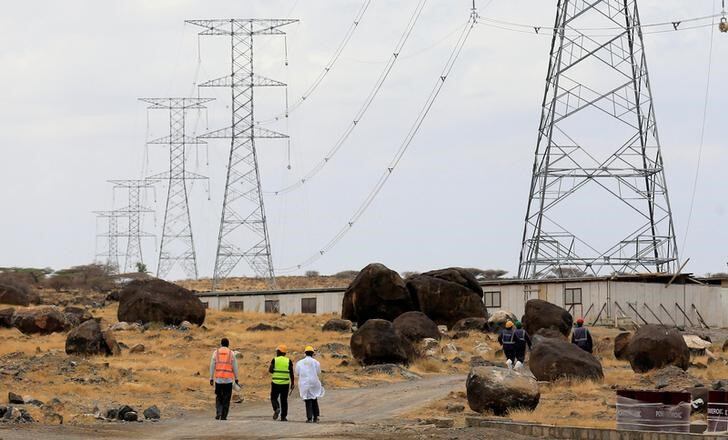
A new effort to protect wildlife from deadly encounters with electricity infrastructure has been launched by Kenya Power and an American conservation partner.
The project is being rolled out at Soysambu Conservancy, a vast wildlife habitat northwest of Nairobi where birds of prey have frequently been killed after coming into contact with power lines.
Officials say the initiative is intended to protect wildlife while also reducing power outages that affect homes and businesses.
It is a problem that has long frustrated conservationists and electricity providers alike.
Power Lines Under Scrutiny
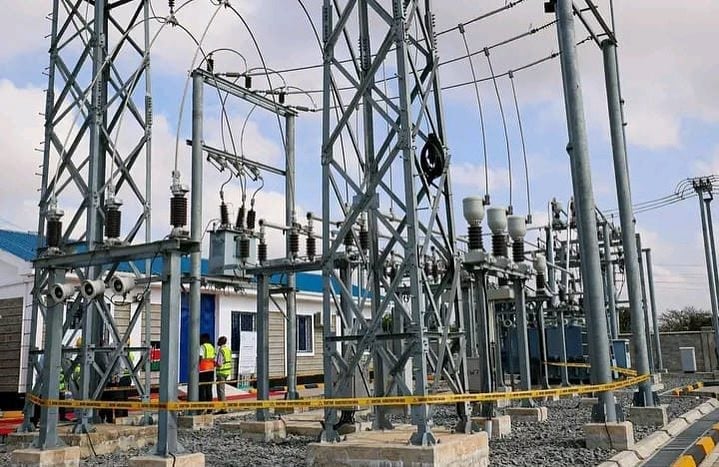
The programme is being implemented through Kenya Power’s Institute of Energy Studies and Research in partnership with Kaddas Enterprises, a United States-based firm.
Wildlife-friendly covers will be installed on power infrastructure in areas identified as high-risk zones. The work is aimed at preventing animals from being electrocuted when landing on poles or interacting with electricity lines.
Particular attention is being paid to large birds of prey. Roysambu Conservancy is home to species such as the Augur Buzzard and the Martial Eagle, both of which often use power poles as lookout points while hunting.
Conservation and Energy Linked
According to Kenya Power, animal electrocution and human-related interference account for about half of all power outages recorded on the network.
Wildlife alone is blamed for nearly 30 per cent of those interruptions. The five-year partnership is expected to reduce both wildlife deaths and service disruptions.
Eng. Henry Pwani, Head of Research at the Institute of Energy Studies and Research, said the project was designed to balance environmental protection with economic development.
“Wildlife is part of our national heritage which heavily drives our tourism sector,” Pwani said. “Our aspiration is to ensure peaceful co-existence between nature and the energy infrastructure.”
A Win for Wildlife and Consumers
Officials argue that the benefits extend beyond conservation. Fewer wildlife-related faults are expected to improve the reliability of electricity supply.
“By safeguarding wildlife, we are also improving power supply reliability,” Pwani said. “This is a win-win situation for the environment and our business.”
The approach reflects a growing trend among power utilities worldwide, where infrastructure is increasingly being adapted to reduce harm to wildlife.
Lessons from Soysambu
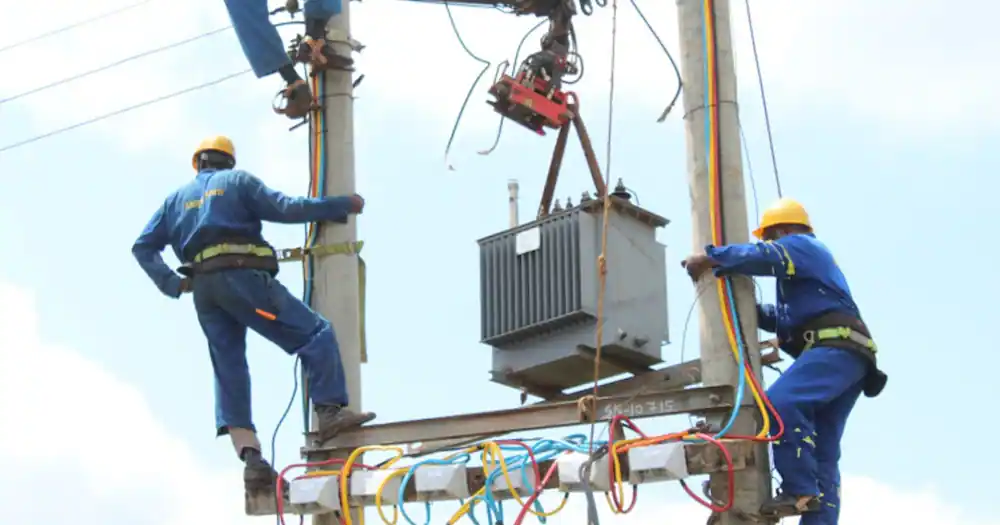
The project is focused initially on the Lanet-Naivasha Interconnector, a major electricity line that passes through the conservancy.
The route has experienced repeated interruptions linked to the electrocution of birds and larger animals, including giraffes. Officials say lessons learned there will guide future projects across the country.
Wesley Kerich, Kenya Power’s County Business Manager for Nakuru, said the pilot programme would help identify solutions that can be replicated elsewhere.
“This line serves a big part of Nakuru County,” Kerich said. “We are looking forward to picking lessons that will be helpful as the project is rolled out to other hotspot areas.”
Training the Next Generation
The partnership extends beyond physical upgrades. Training programmes will also be introduced for Kenya Power engineers and technical teams.
The aim is to encourage wildlife-friendly thinking when new energy infrastructure is designed and built. Supporters hope the initiative will create long-term changes across the sector.
For conservation groups, the stakes are high. For Kenya Power, so too is the promise of a more stable electricity network.
If successful, the project could become a model for how development and conservation can coexist in one of Africa’s most wildlife-rich countries.
About the Author