

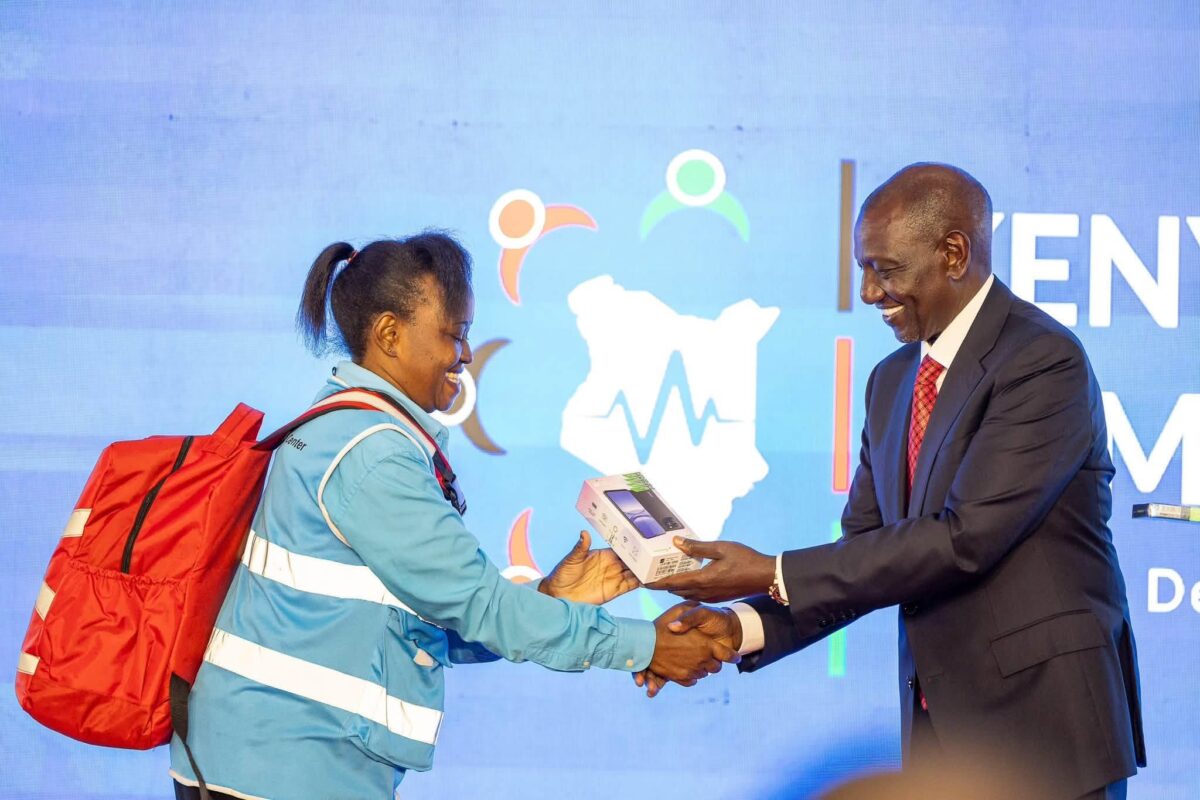
Kenya’s inaugural National Health Summit enters its second and final day on Wednesday, with government officials and health-sector stakeholders expected to move from reviewing reforms to discussing what still needs to be fixed.
The summit, being held at the Kenyatta International Convention Center in Nairobi, runs from August 18 to 19 under the theme “Reforms Delivered: Health as a Right.” The official program lists county health showcases and a closing session focused on commitments and the Nairobi Health Declaration.
The second day comes after a first day dominated by discussions about Universal Health Coverage and the experiences of Kenyans navigating the changing health system.
President William Ruto and Health Cabinet Secretary Aden Duale attended the opening program, which included a Presidential Town Hall.
The government presented the Social Health Authority as a central part of its health financing reforms. Ministry figures cited at the summit put SHA registration at more than 32 million people, although the summit’s official website currently lists a figure of more than 31.2 million.
That difference in reporting underlines one of the questions likely to remain important beyond the summit: not only how many people are registered, but whether they can obtain care when they need it.

Beyond the Numbers
The government has also pointed to investment in specialised healthcare, community health services and digital systems as evidence of progress.
The summit’s program places primary healthcare, health financing, the health workforce, digital health, health products and technologies, and health security among its main areas of discussion.
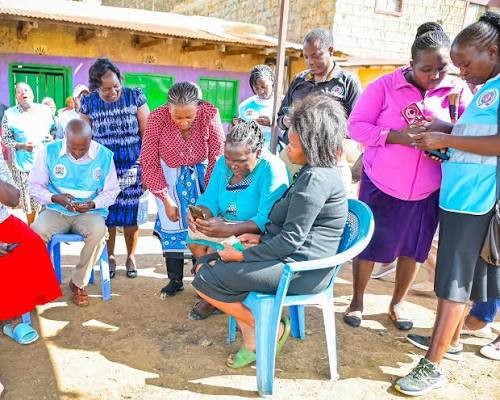
Community Health Promoters are another major part of the strategy. The Ministry of Health has described them as a key link between households and the formal healthcare system, particularly in primary care.
But the central test will be whether these reforms translate into better experiences for patients.
For many Kenyans, the health system is judged less by policy announcements than by the cost of treatment, availability of medicines, waiting times and whether they can find care close to home.
The summit was designed to bring those concerns into the same room as national and county governments, health professionals, development partners, private-sector players and civil society.
Creative Economy Also on Today’s Agenda
Away from the health summit, the US Patent and Trademark Office is scheduled to hold a virtual media briefing on intellectual property and Africa’s growing creative economy.
Katherine Hiner, the USPTO’s intellectual property attaché for Sub-Saharan Africa, is expected to discuss how stronger protection of intellectual property can support artists, businesses and investment.
Hiner is based at the US Consulate General in Johannesburg and covers intellectual property issues across Sub-Saharan Africa. The USPTO has previously highlighted her work on the role of intellectual property in supporting African creators.
The discussion is particularly relevant as Kenya and other African countries seek to expand their creative industries and find ways for musicians, filmmakers and other creators to earn more from their work.

Leather Council Faces MPs
The Kenya Leather Development Council is also due to appear before Parliament’s Public Investments Committee on Social Services, Administration and Agriculture at 11.30am.
The council is expected to answer questions from MPs about its operations and financial and administrative affairs.
The hearing will also give legislators an opportunity to examine the council’s role in developing Kenya’s leather industry, including efforts to increase local value addition and make the sector more competitive.
For the health summit, however, the larger question remains whether the commitments made this week will survive beyond the conference halls.
The Ministry of Health has said the summit is intended to produce practical priorities and a framework for action after the event.
For Kenyans, the measure of success will ultimately be simple: whether those commitments make healthcare easier to access, more affordable and more reliable.
About the Author