

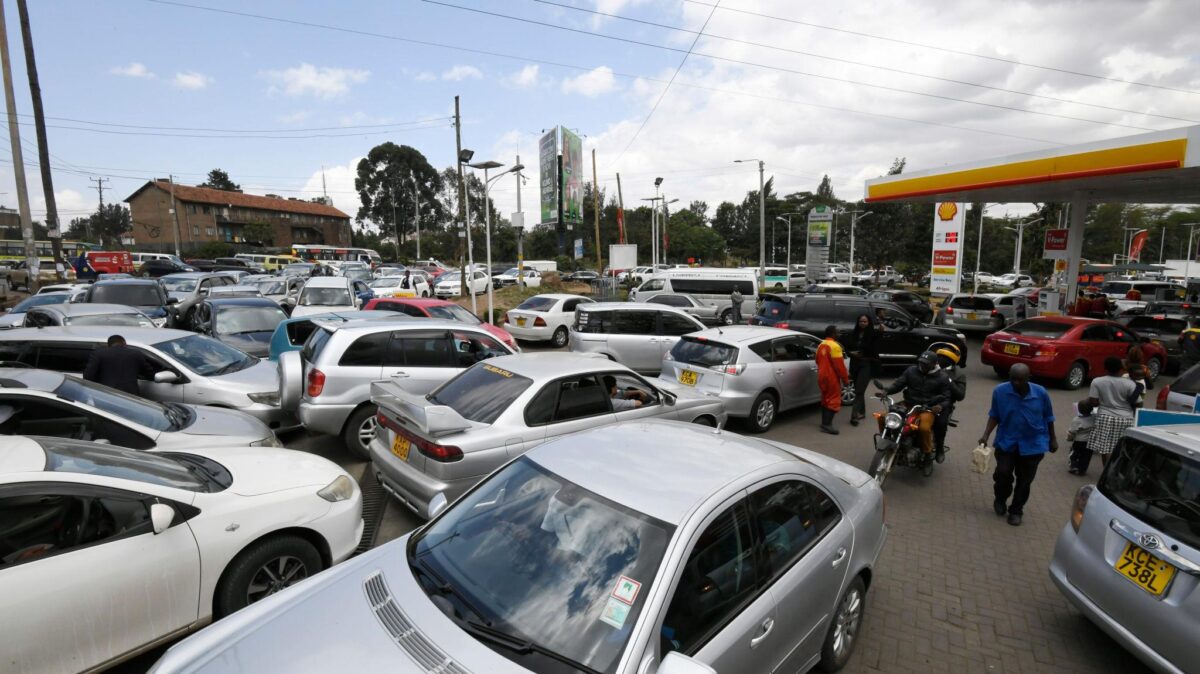
The Energy and Petroleum Regulatory Authority (EPRA) has revised maximum petroleum pump prices for the period between May 19, 2026, and June 14, 2026, following mounting pressure from public transport operators over rising fuel costs and fears of fuel adulteration.
In the latest review, EPRA announced that diesel prices in Nairobi will decrease by KSh10.06 per litre, while kerosene prices will rise sharply by KSh38.60 per litre. The price of super petrol remains unchanged.
The regulator said the recalculation was informed by a petition from players in the public transport sector who warned that the widening price gap between diesel and kerosene could encourage motor fuel adulteration.
New Fuel Prices Effective Midnight
Under the new pricing structure effective from Monday midnight, motorists in Nairobi will pay KSh214.25 per litre for Super Petrol, KSh232.86 per litre for Diese and KSh191.38 per litre for Kerosene.
The revised prices will remain in force for the next 30 days until June 14, 2026.
EPRA explained that the review was intended to reduce the risk of illegal fuel mixing practices that often emerge when there is a significant price difference between diesel and kerosene.
Fuel adulteration has long been a concern in Kenya’s petroleum sector, with authorities warning that mixing cheaper kerosene with diesel can damage engines, compromise fuel quality, and expose consumers to financial losses.
The regulator’s intervention comes amid increased pressure from transport operators who argued that soaring diesel prices were crippling the matatu, logistics, and public transport sectors.
Fuel Hike Sparks Nationwide Protests
The latest fuel review follows widespread protests and strike action by sections of the transport sector on Monday over the rising cost of living and increasing fuel prices.
Public service vehicle operators were joined by demonstrators in several areas as frustration grew over the impact of high fuel costs on transport fares, food prices, and household expenses.
The protests highlighted growing economic pressure on Kenyans already grappling with inflation and elevated living costs.
The fuel price adjustments are expected to offer temporary relief to diesel consumers, particularly transport operators and businesses dependent on logistics.
However, the sharp increase in kerosene prices is likely to spark concern among low-income households that rely on the fuel for cooking and lighting.
The developments add fresh pressure on the Kenya Kwanza administration as citizens continue to demand solutions to the escalating cost of living crisis.
About the Author