
Thousands of Kenyans walked to work on Monday. Others stayed home altogether. Along major roads in Nairobi, matatus disappeared, shops opened late and frustration simmered as a nationwide transport strike paralysed movement after a sharp rise in fuel prices.
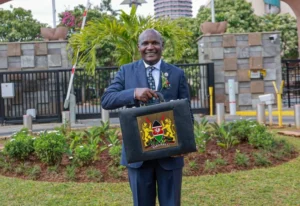
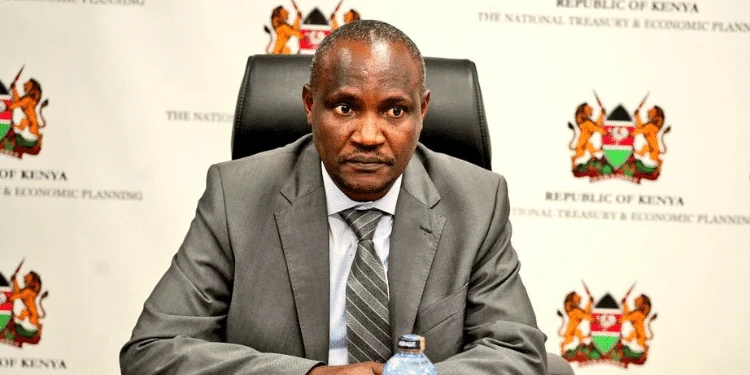
Treasury Cabinet Secretary John Mbadi said the government would not revise fuel prices before the next review cycle on June 14, despite mounting public anger and growing pressure from transport operators.
Speaking during a television interview on Monday, Mr Mbadi linked the increase to global tensions in the Gulf, particularly the conflict involving the United States and Iran, which he said had disrupted supply routes and pushed up petroleum costs worldwide.
“The price of petroleum products has increased everywhere in the world,” he said, adding that Kenya was feeling the effects of the crisis through higher import costs.
The Energy and Petroleum Regulatory Authority raised the price of Super Petrol by KSh16.65 per litre and Diesel by KSh46.29 in the latest review. Kerosene prices remained unchanged.
In Nairobi, motorists are now paying KSh214.25 for petrol and KSh242.92 for diesel, among the highest prices seen in recent years. The increases triggered outrage across the country, with public transport operators launching a coordinated shutdown that left commuters stranded and businesses disrupted.
In parts of Nairobi and its outskirts, deserted roads became symbols of both anger and survival. In Kimbo, along Thika Road, residents turned empty highway lanes into football pitches as crowds gathered where traffic would normally stretch for kilometres.
The CS said the government was considering measures to cushion consumers ahead of the next review. Among the options under discussion is the use of funds from the Petroleum Development Levy.
“We will look at the subsidy kitty that we have,” he said. “If that is not sufficient, we will see what else can be done.”
He also suggested that officials may review fuel-related taxes and government spending in an effort to ease pressure on consumers.
Still, the Cabinet Secretary criticised the ongoing strike, warning that the shutdown could deepen economic strain and reduce the government’s ability to support the market.
“I am not happy to see Kenyans walking,” he said. “But a strike is not the solution.”
The Transport Sector Alliance, which organised the protest, defended the action, saying operators had been pushed to the limit by soaring operating costs. The group announced that passenger vehicles, cargo transporters, ride-hailing services, school buses and motorcycle operators would all participate in the stoppage.
Across Nairobi and several towns, the impact was immediate. Long queues formed at bus stops before dawn. Some schools remained closed while workers trekked long distances to their offices.
Mr Mbadi questioned whether transport stakeholders had fully engaged the government before calling the strike and said discussions would continue once President William Ruto returns from Azerbaijan.
“We will sit again and see what we can do,” he said. “But let us not approach this emotionally.”
The crisis now leaves the government balancing public anger, rising global oil prices and fears of a wider economic slowdown, with little sign of immediate relief for struggling households.
About the Author