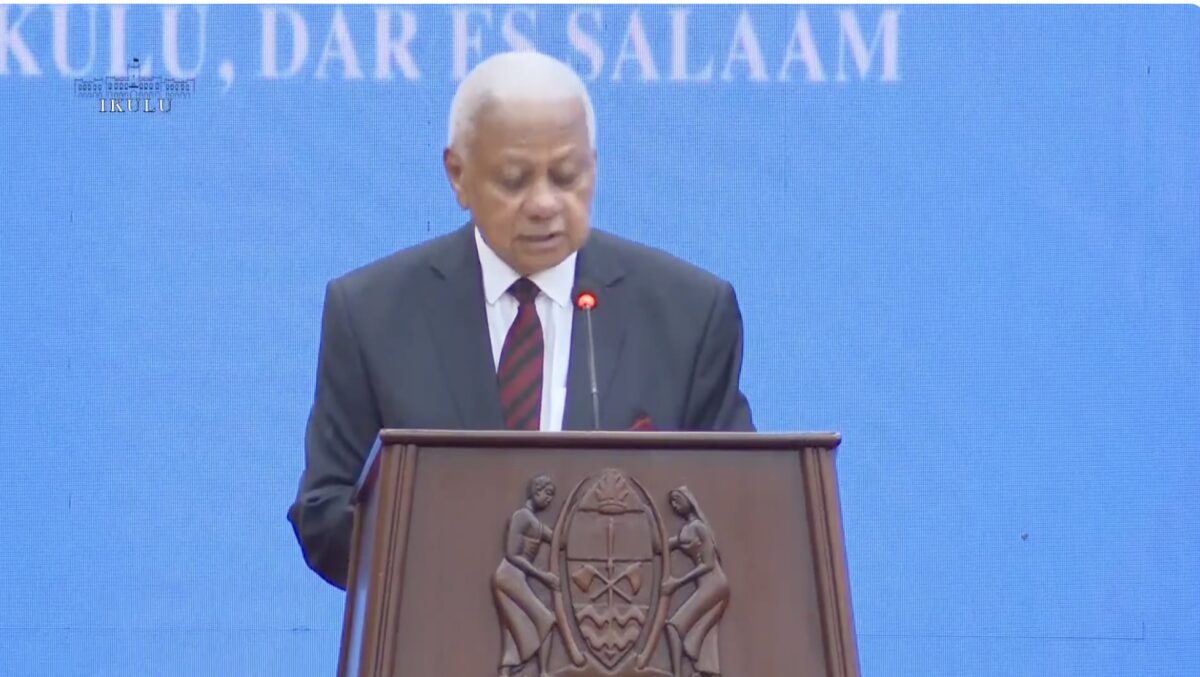
Dar es Salaam, Tanzania — President Samia Suluhu Hassan has received a long-awaited report into the violence surrounding Tanzania’s October 2025 general election, with investigators concluding that the unrest was driven by a mix of entrenched grievances and coordinated efforts to disrupt the vote.
The inquiry, led by former Chief Justice Mohamed Chande Othman, examined incidents across multiple regions and drew on testimony from victims, officials and other stakeholders. It found that at least 518 people were killed and more than 2,000 injured, making it one of the most serious episodes of political violence in the country’s recent history.
Root causes and triggers
According to the report, the violence cannot be explained by a single factor. Instead, it points to a convergence of long-standing issues, including political tensions over electoral reforms, economic pressures such as the rising cost of living, and broader social concerns like corruption and governance challenges.
The commission distinguishes between these underlying causes and more immediate triggers. It says social media played a significant role in mobilising participants and amplifying tensions, while political rhetoric and disputes within parties over candidate selection also contributed to the escalation.
Investigators concluded that some actors organised and coordinated attacks, in certain cases recruiting participants and offering financial incentives. The report states that the primary objective in many instances was to disrupt or prevent the election process.
Nature of the violence
The commission rejected assertions that the events constituted peaceful demonstrations protected under law. It cited evidence of armed confrontations, destruction of property and attacks on electoral infrastructure and civilians.
At the same time, the report notes that many of those arrested or involved were ordinary citizens, including young people, who were drawn in by promises of payment or by broader frustrations.
Human and economic impact
The findings detail a significant human toll. Most of those killed were civilians, and the report indicates that many deaths were linked to gunshot wounds and other severe injuries. It also suggests that the true number of casualties may be higher due to unreported cases.
Beyond the loss of life, the violence caused extensive economic damage, with property losses estimated in the tens of billions of Tanzanian shillings. Small businesses and informal traders were among those most affected.
The report also highlights longer-term consequences, including psychological trauma and the loss of livelihoods for families who depended on those killed or injured.
Disputed claims and evidence
Investigators examined widely circulated claims, including allegations of mass graves. The commission says it found no substantiated evidence to support those claims after site visits and forensic analysis.
It also reported that some images and videos shared online during the unrest were misleading or taken from unrelated events, complicating efforts to establish an accurate picture in real time.
Government response and next steps
President Hassan is expected to review the report’s recommendations, which focus on accountability, institutional reforms and measures aimed at preventing a recurrence of such violence.
In earlier remarks reported by international media, she acknowledged concerns over the handling of the election period, including restrictions such as internet shutdowns, and indicated that lessons had been learned.
Calls for accountability
Human rights organisations, including Amnesty International and Human Rights Watch, have previously called for independent investigations into alleged abuses during the election period, particularly concerning the use of force and reports of disappearances.
While the commission addresses some of these issues, rights groups have emphasised the need for transparent follow-up, including credible prosecutions where violations are established.
A test for institutions
The release of the report marks a significant moment for Tanzania, as it seeks to address the aftermath of the violence and rebuild public trust.
Whether its recommendations lead to meaningful reforms may shape perceptions of the country’s democratic processes ahead of future elections.
About the Author