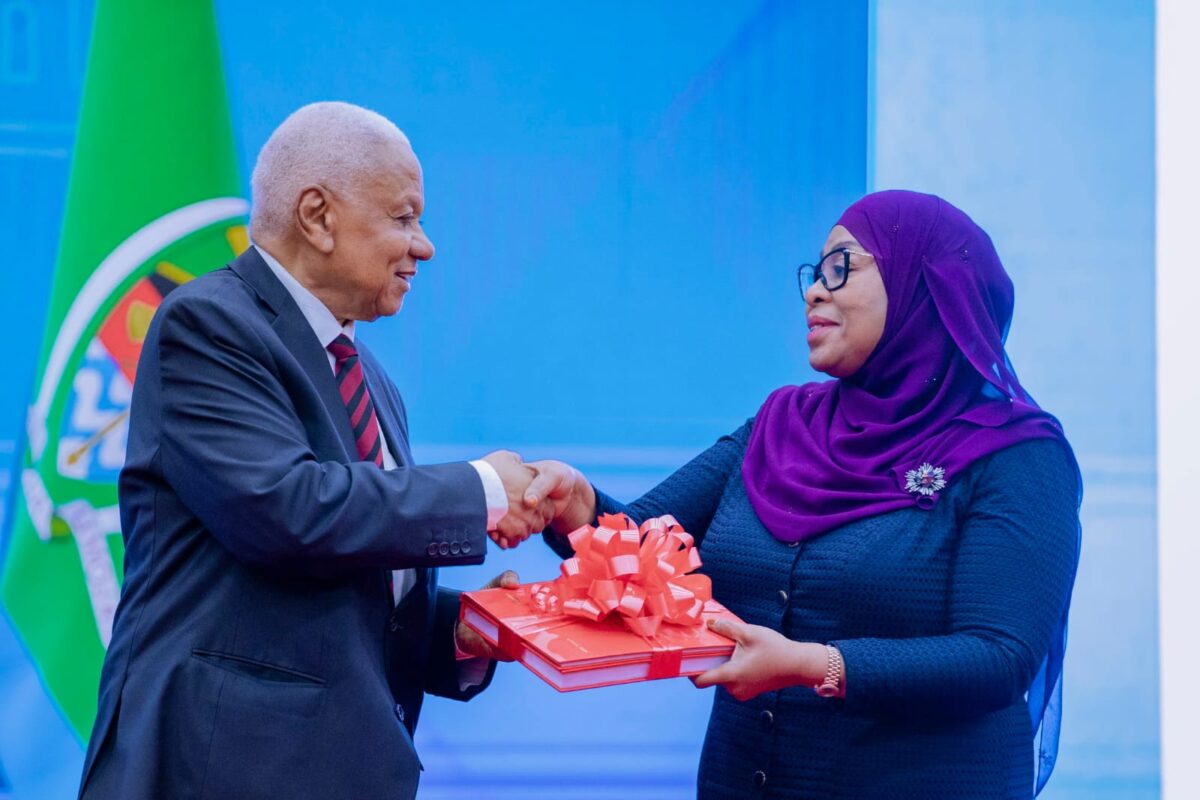
At State House in Dar es Salaam on Thursday, Tanzanian head of state, Samia Suluhu Hassan received a long-awaited report that lays bare the scale, causes and human cost of violence that followed Tanzania’s October 2025 general election.
The moment was formal, almost ceremonial. But the findings presented carried the weight of a nation still reckoning with its recent past.
The Presidential Commission of Inquiry, formed in the aftermath of the unrest, spent more than five months gathering evidence across the country. Its chairman, former Chief Justice Mohamed Chande Othman, said the report reflects the voices of ordinary Tanzanians, victims, witnesses and officials alike.
“Those who came before the commission spoke openly about what happened,” he said. “They trusted us with their experiences, and we have a duty to ensure the country learns from them.”
The commission was tasked with investigating violence and breaches of peace during and after the October 2025 elections. It examined not just what happened, but why, and what must change.
Its work stretched across 21 districts in 11 regions, including Dar es Salaam, Arusha and Mwanza. It also visited Zanzibar and Kilimanjaro, where no violence was reported, in a bid to understand what had gone right.
More than 1,300 victims testified. Hundreds more submitted written accounts, messages and digital evidence. The commission reviewed nearly 900 videos and hundreds of images, some verified as authentic, others dismissed as manipulated or misleading.
The scale of participation, officials said, reflected both the depth of the crisis and the public’s desire to be heard.
At the heart of the report is a clear conclusion: the violence did not erupt in isolation. Instead, it grew from longstanding grievances, political, economic and social, that had remained unresolved.
Among the political concerns cited were calls for constitutional reforms, dissatisfaction within political parties, and questions over the electoral system.
Economic pressures also loomed large. Witnesses pointed to the rising cost of living, unemployment, and limited access to opportunities.
Social factors added another layer. Corruption, perceived injustice, and reports of abductions and disappearances had eroded public trust in institutions.
According to police data cited in the report, hundreds of cases of missing persons were recorded between 2023 and 2025, with a significant number still unresolved.
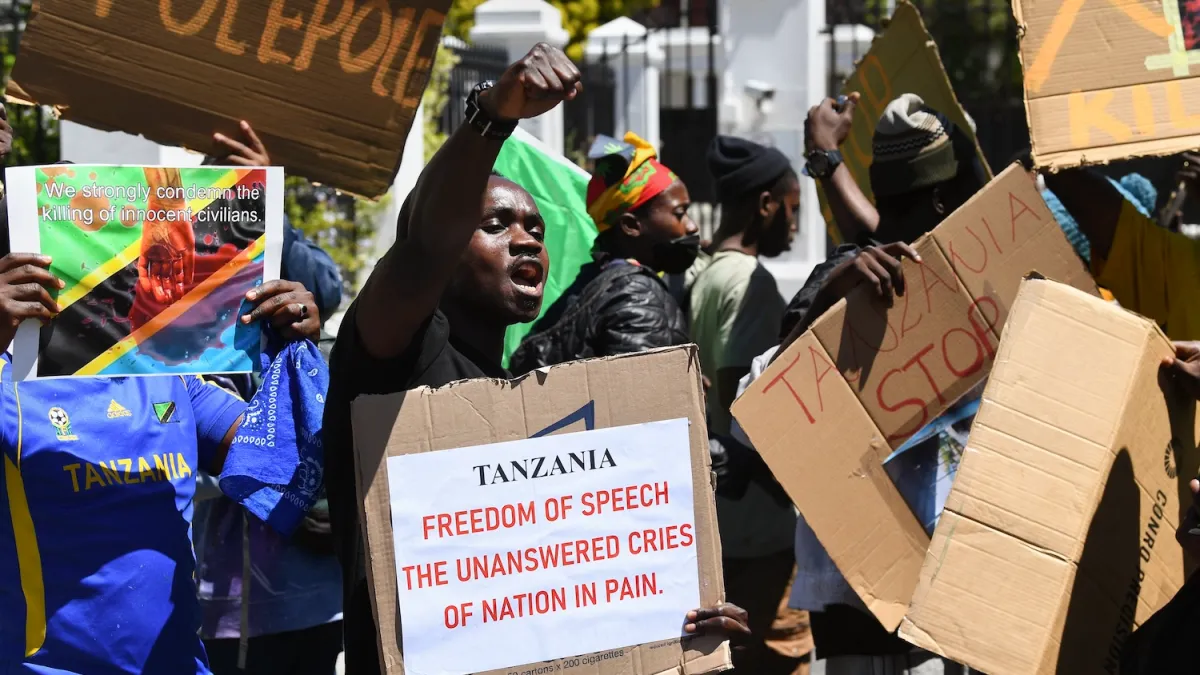
“These challenges had existed for a long time,” the commission noted. “They created conditions in which unrest could take root.”
The commission identified the role of social media as particularly significant. Platforms were used to mobilise, coordinate and, in some cases, spread misinformation.
Some individuals admitted they had been recruited, trained and even paid to take part in the violence. Others said they were drawn in by promises of money or opportunity.
One young witness described being offered cash and the prospect of a better life. “I thought it would change my situation,” he said.
Political rhetoric also featured prominently. Investigators found that certain statements and slogans were used to rally support and inflame tensions in the run-up to the election.
In some instances, internal party disputes, particularly over candidate selection, were said to have pushed local actors towards unrest.
A key question before the commission was whether the events could be considered lawful demonstrations.
What occurred, it said, did not meet the threshold of peaceful protest as defined by Tanzanian law or international standards.
Participants were armed in many cases. Public and private property was destroyed. Lives were lost.
“Such acts fall outside the protection of lawful assembly,” the report states.
The commission further found evidence suggesting the violence was organized. In some areas, attacks were carried out simultaneously, pointing to coordination.
The commission recorded 518 deaths linked to the violence. The vast majority were men. Many others were injured, some left with lasting disabilities.
Hospitals were stretched. Health workers, according to testimony, worked for days without rest to treat the wounded.
The emotional toll was equally severe. Survivors spoke of grief, fear and a loss of trust in society.
One victim, who lost mobility after being shot, described a life changed overnight. “I can no longer go to school or live as I did before,” he said. “I feel left behind.”
The commission identified hundreds in need of psychological support. Many have since been referred for care.
The unrest also left a dent on the economy. Small businesses were hit hard. Shops were looted. Property worth billions of Tanzanian shillings was destroyed or stolen.
Banks were not spared. Cash was stolen from automated teller machines, while disruptions affected transport, tourism and financial markets.
Despite this, Tanzania’s credit rating has held steady, according to international assessments. Economists, however, warned that unresolved political risks could weigh on future stability.
For President Samia, the report presents both a challenge and an opportunity. The commission has called for accountability, reforms and a renewed focus on dialogue. It urges leaders to address grievances before they escalate.
It also stresses the need to strengthen institutions, improve governance and rebuild public trust. Above all, it frames the moment as one of reflection.
“This is not just about what went wrong. It is about how we move forward as a nation,” the chairman said.
About the Author