
President William Ruto has called for greater African participation in the development of artificial intelligence, warning that countries risk creating a new form of technological dependency if they only supply the resources and data needed to build AI systems without capturing value from the technology.
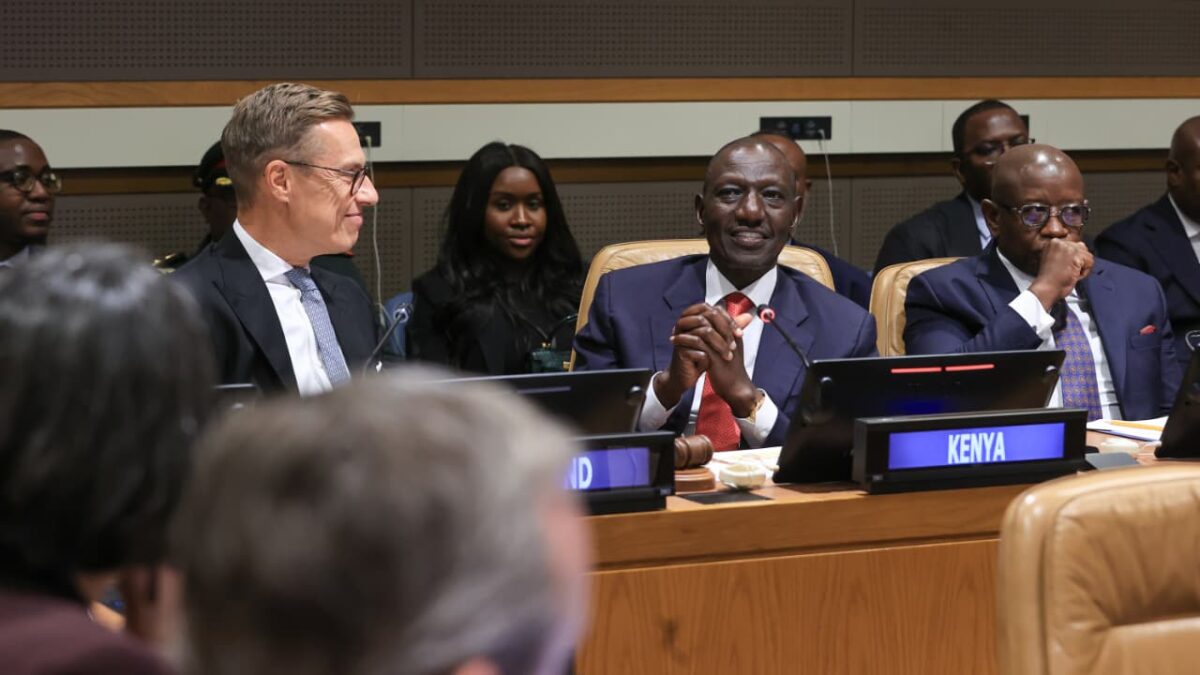
Speaking in New York on Monday during a High-Level Artificial Intelligence Middle Powers Coalition meeting on the sidelines of the 81st United Nations General Assembly, Ruto said the AI era should strengthen countries’ ability to determine their own futures rather than deepen dependence on technologies developed elsewhere.
Ruto co-chaired the meeting with Finnish President Alexander Stubb as countries considered how middle powers can work together to build AI infrastructure, skills, research capacity and governance systems.
The President argued that political independence could be weakened if countries lack meaningful control over the technologies increasingly shaping their economies and societies.
“Political sovereignty without technological agency risks becoming sovereignty in law but dependency in practice,” Ruto said.
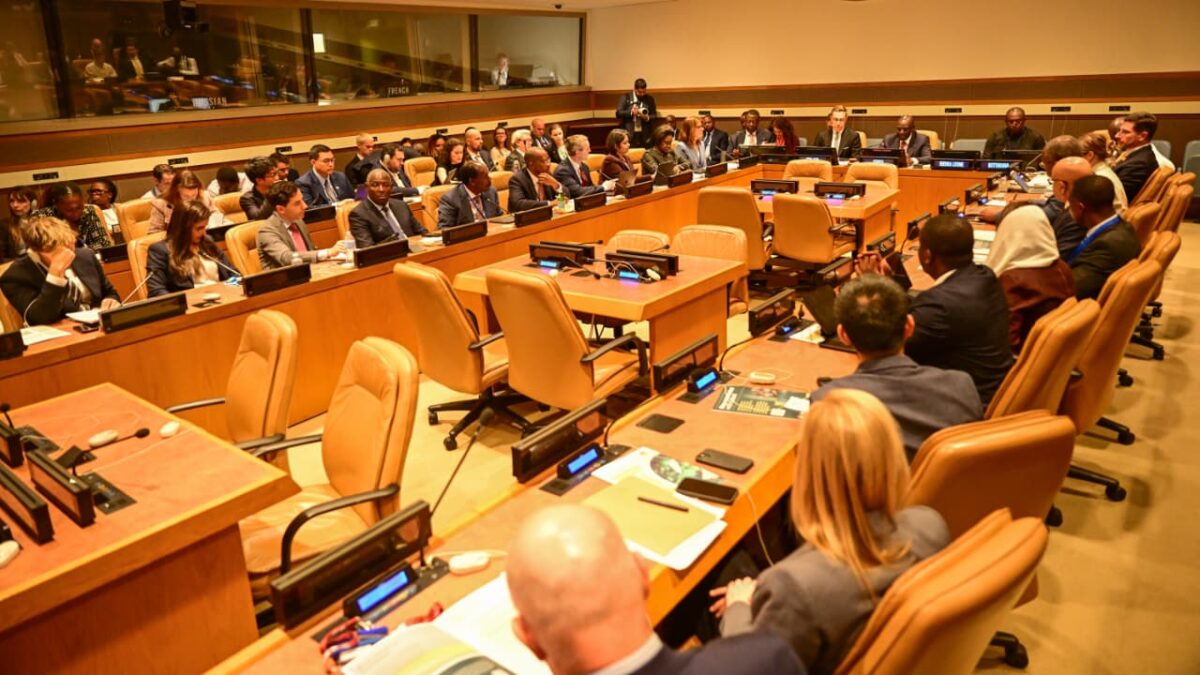
Co-chairing the High-Level AI Middle Powers Coalition meeting
He called for what he described as shared sovereignty, where countries pool resources and capabilities to operate at a scale that individual nations may not be able to achieve while retaining national control in areas where accountability is critical.
“Shared sovereignty is not sovereignty surrendered. It is agency enlarged through organised cooperation,” he said.
For Africa, Ruto said the priority should be to capture a larger share of the economic value generated by artificial intelligence by leveraging the continent’s energy, natural resources, data, talent and growing markets.
He warned against reproducing the continent’s historical extractive economic model in the digital economy, where Africa supplies raw materials and other inputs but imports finished products at higher costs.
“We cannot provide the minerals, energy, data, content, and talent of the AI revolution and then import the resulting intelligence at a premium,” Ruto said.
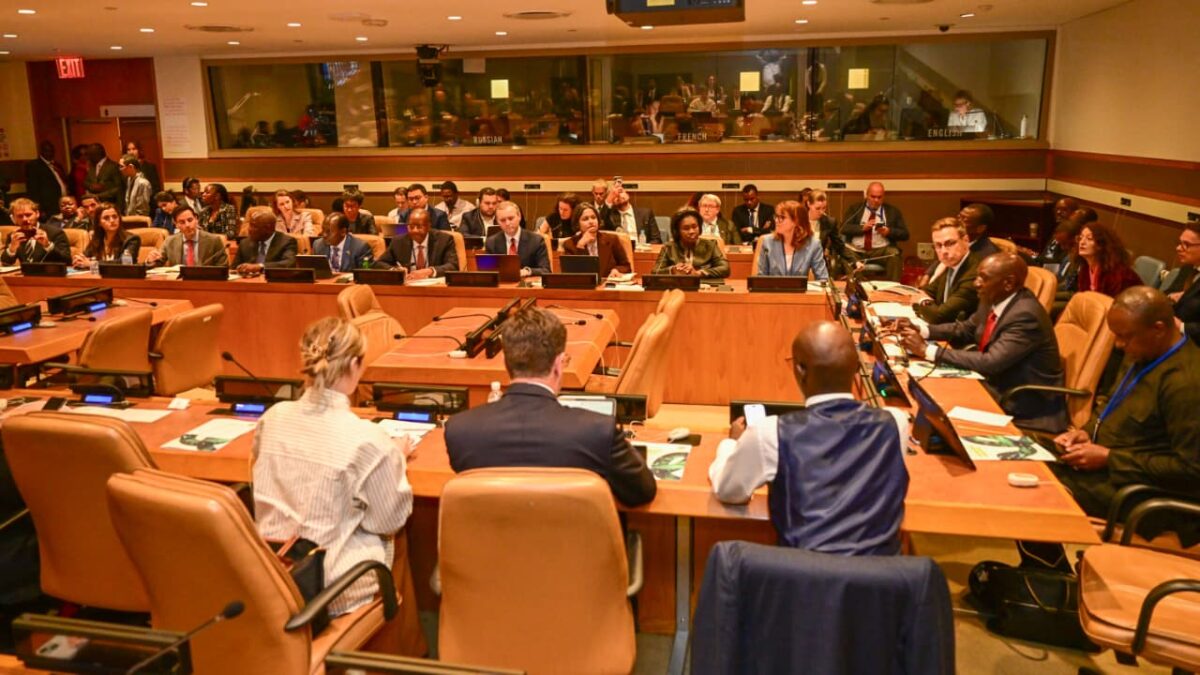
Co-chairing the High-Level AI Middle Powers Coalition meeting
The President noted that no single country can efficiently control every part of the AI value chain, which includes critical minerals, advanced chips, data centres, computing infrastructure, AI models and international standards.
He therefore called for greater cooperation among countries to combine capabilities while ensuring that nations retain a meaningful stake in the technologies being developed.
The push comes as governments around the world debate how to expand AI capabilities while managing issues around data, computing infrastructure, safety, economic competitiveness and governance. Recent discussions at the UN have also focused on the need for international cooperation on AI governance.
Ruto said Kenya is pursuing its own AI ambitions through the National Artificial Intelligence Strategy 2025–2030, which focuses on digital infrastructure, data and AI governance, as well as research, innovation and commercialisation.
Kenya officially launched the strategy in March 2025. The Ministry of Information, Communications and the Digital Economy says the strategy is built around three core pillars: AI digital infrastructure; data and AI governance; and AI research, innovation and commercialisation.
The strategy’s implementation roadmap says Kenya aims to position itself as a regional leader in AI research and development, innovation and commercialisation, with an emphasis on developing solutions tailored to local needs.
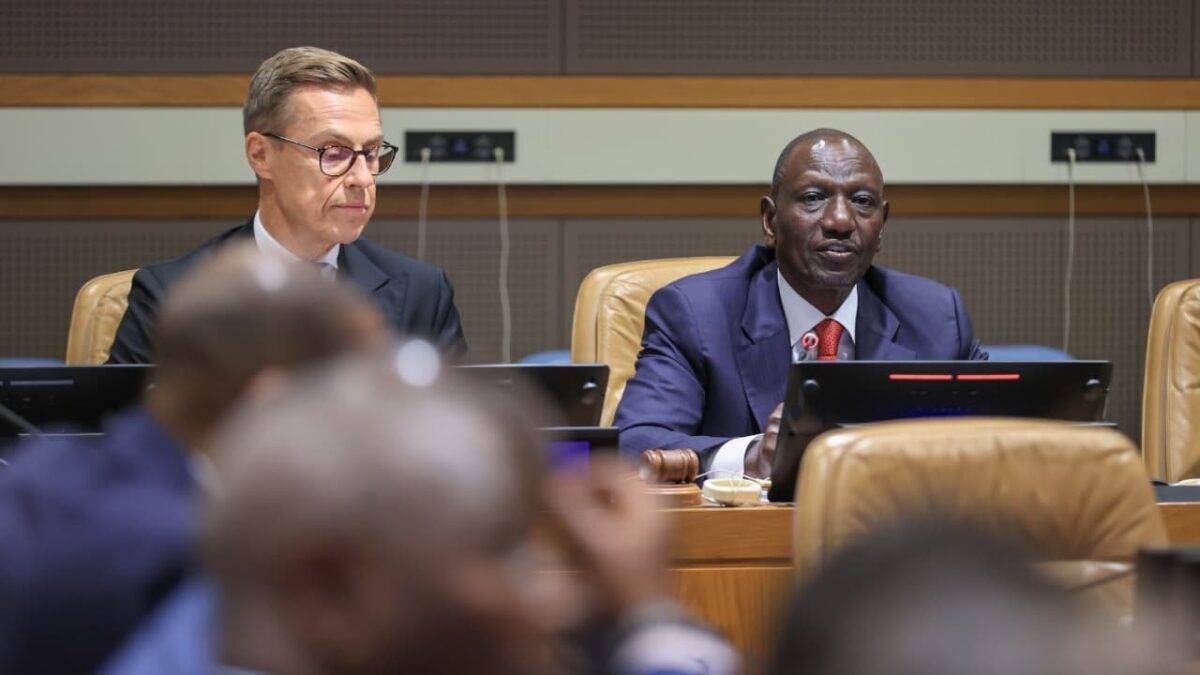
Co-chairing the High-Level AI Middle Powers Coalition meeting
Ruto said Kenya’s objective is to translate AI development into practical benefits for citizens and businesses.
“Our purpose is practical. We want AI that raises agricultural productivity, strengthens healthcare, expands access to education, improves public services, advances financial inclusion, and creates enterprises and jobs,” he said.
The President also called for the United Nations to remain central to the development of global AI governance frameworks.
He argued that decisions on AI should not be made exclusively by a small number of governments, technology companies or research laboratories.
“AI governance must be globally shaped, not globally imposed,” Ruto said, calling for countries and communities affected by AI technologies to have a meaningful role in determining the rules governing them.
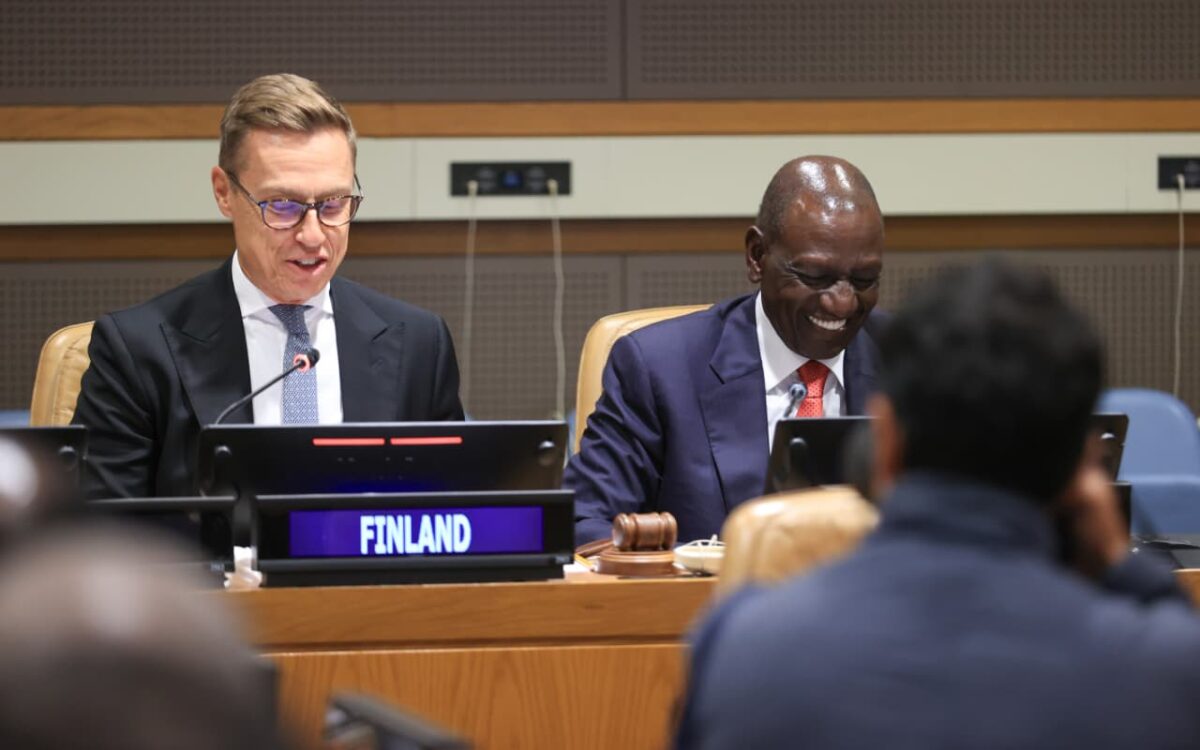
Co-chairing the High-Level AI Middle Powers Coalition meeting
Finnish President Alexander Stubb, who co-chaired the meeting, similarly called for countries to have a stake in AI development rather than leaving the technology entirely to major technology companies.
“We can’t be in a situation where we have no skin in the game,” Stubb said, pointing to critical inputs such as electricity.
Stubb proposed addressing AI governance at several levels, including companies, national governments, regional regulatory frameworks and a global system operating through the United Nations.
The discussion comes as AI increasingly becomes an economic and strategic issue for governments, with countries seeking to develop domestic computing capacity, attract investment, train talent and establish rules for how the technology is developed and deployed.
For Africa, the debate is also increasingly about moving beyond being a consumer of AI products to becoming a producer of AI-enabled solutions, businesses and intellectual property.
Ruto’s intervention in New York places Kenya’s AI agenda within that wider debate, with the President arguing that international cooperation should help countries pool resources without surrendering their ability to shape how AI is developed and used.
About the Author