

The European Union and civil society organisations are urging county governments to bring informal water suppliers and waste collectors into the formal economy, arguing that affordable licences and public-sector partnerships could improve essential services and create opportunities for small businesses.
The proposal seeks to give informal operators official recognition, reduce barriers to licensing and allow them to work alongside established water and waste management providers.
The organisations also want operators to have a greater say in county policies, budgets and climate commitments, rather than being treated simply as unregulated businesses.
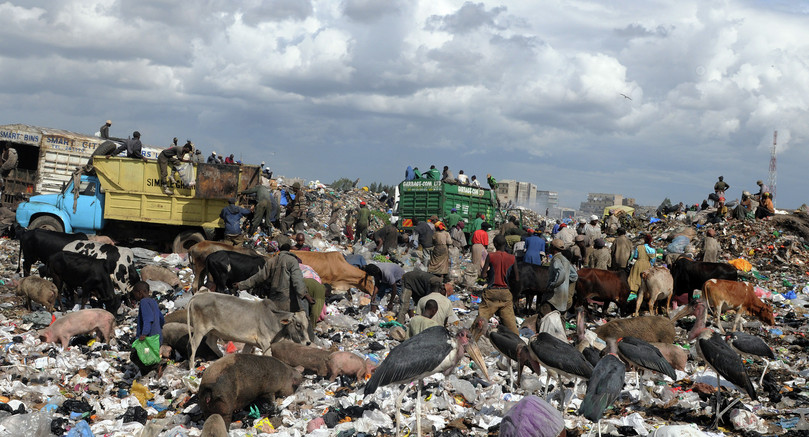
“Informal actors are not a problem to be managed. They are partners in the solution,” said Thomas Yatich of the European Union Delegation to Kenya.
He said the EU supported partnerships that would give informal operators the skills, representation and opportunities needed to work with government and private companies.
Counties at the Centre of the Push
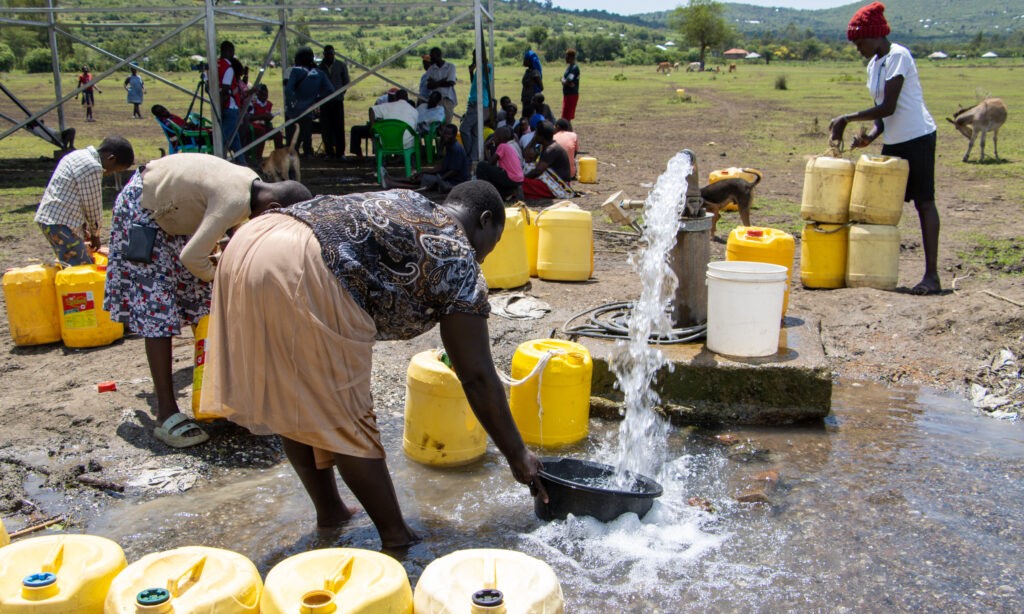
The proposals are being discussed at the Kenya Sustainable Water and Waste Management Policy Forum, which has brought together national and county officials, development partners, private businesses, researchers, civil society groups and informal operators.
The forum is drawing on evidence from Kisumu, Nakuru and Makueni counties to develop recommendations for national and county governments.
Participants are examining how existing policies affect informal businesses and how cooperation between formal service providers and smaller operators could improve water distribution, waste collection and recycling.
The discussions also include public-private partnerships designed to help informal enterprises access financing, technology and formal markets.
For businesses involved in recycling and waste recovery, this could mean opportunities to expand operations and sell recovered materials through recognised commercial channels.
Thousands of Operators Trained
The Strengthening Civil Society Engagement for a Just and Sustainable Urbanisation (SCEJU) project says it has trained 9,139 informal water and waste operators across the three counties. It has also trained 268 trainers to pass on their knowledge.
The programme has supported six community enterprises, including smart water kiosks, a material recovery facility and digital platforms for waste trading.
Women account for between 55 and 60 per cent of the informal waste workers trained under the programme, according to project figures. The project says this represents a 21-percentage-point increase from its baseline.
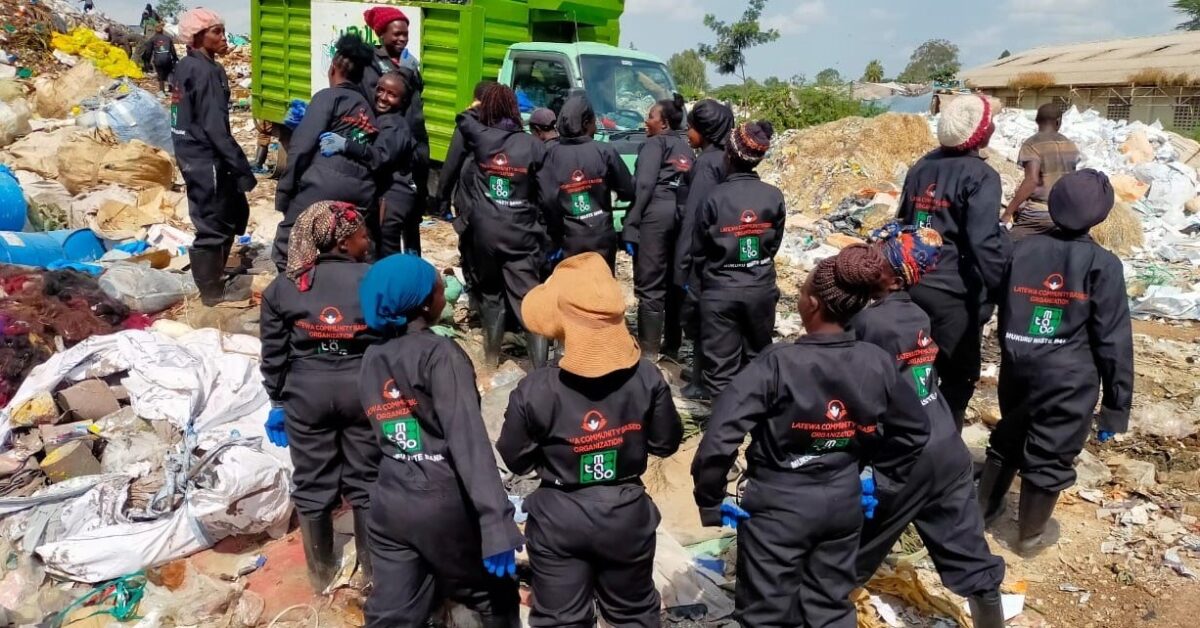
The figures point to the role women play in waste management and the potential for formal recognition to widen their access to business opportunities.
However, the proposed changes would require county governments to establish practical arrangements for licensing, oversight and cooperation with informal operators.
New Models for Water and Waste Services
The forum is also exploring delegated management models as a way to expand access to water in informal settlements.
Thomas Odongo, managing director of Kisumu Water and Sanitation Company, is expected to lead discussions on the approach.
Another session will examine how informal waste businesses could expand through material recovery facilities, which sort and process discarded materials for recycling or reuse.
Supporters argue that recognising these operators could help county governments extend services to communities that established providers may struggle to reach.
The approach would also seek to create clearer pathways for small enterprises to work with public institutions and private companies.
Climate Commitments Included in the Debate
The EU and the SCEJU consortium are calling for informal operators to be included in monitoring Kenya’s climate commitments, including its Nationally Determined Contribution, which sets out the country’s climate-related targets and actions.
They argue that workers involved in water supply, waste collection and recycling should have a role in decisions affecting the sectors in which they operate.
The forum is expected to conclude with policy recommendations, a framework for partnerships to support informal enterprises and commitments from participating organisations.
Whether the proposals lead to meaningful changes will depend on how national and county governments respond, including whether licensing becomes affordable and operators gain practical access to public contracts, finance and markets.
About the Author