


Kenya’s mobile money market continues to expand, but the number of registered physical agents has declined, highlighting a changing landscape for one of the country’s most important financial services.
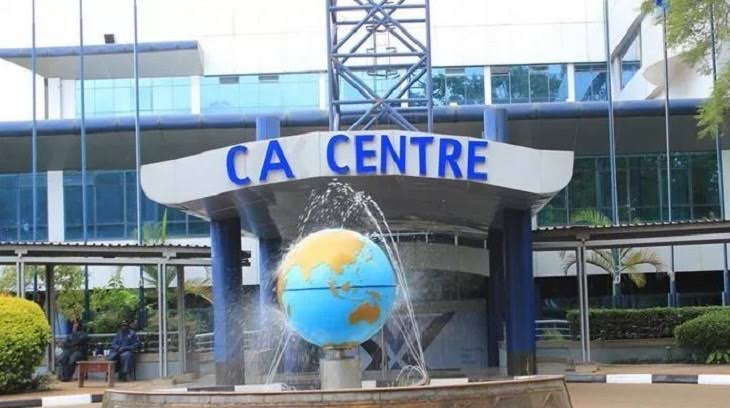
New data from the Communications Authority of Kenya shows mobile money subscriptions rose by 1.2 per cent to 54.01 million in the quarter ended June 30, 2026, up from 53.37 million in the previous quarter. The figure was also 13.2 per cent higher than a year earlier.
Mobile money penetration consequently rose to 101.3 per cent, although the figure does not mean that more than 100 per cent of Kenyans use mobile money. The penetration rate is based on subscriptions rather than individual people, meaning one person can hold multiple mobile money accounts or SIM cards.
While subscriptions continued to grow, the number of registered mobile money agents recorded by the regulator fell by 5.6 per cent, from 602,470 in the March quarter to 568,463 by the end of June.
That represents 34,007 fewer registered agents within three months, creating a striking contrast between the growth of digital financial accounts and the contraction of the registered physical network supporting cash-based mobile money services.
The decline comes after a sharp increase in registered agents in the previous quarter. Between December 2025 and March 2026, the number of registered agents had risen by 20.2 per cent, reaching 602,470.
However, the latest figures do not necessarily mean that 34,007 operating mobile money shops closed during the quarter. The Communications Authority and the Central Bank of Kenya use different reporting definitions. CBK data showed 572,104 active mobile money agents in June, up from 548,010 in April.
The distinction is important because it suggests that the decline in the CA’s registered-agent count should not automatically be interpreted as an equivalent loss of physical access for customers.
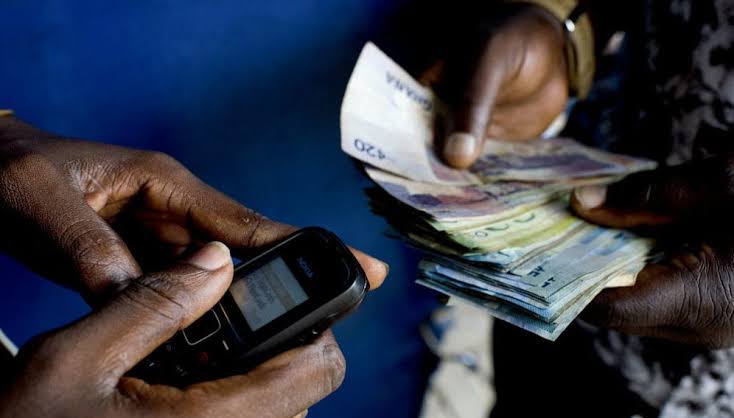
The changing economics of the agent business may nevertheless be significant. Data cited in recent industry reporting shows that average annual commissions per M-Pesa agent fell to an estimated KSh112,244 in the year ended March 2026, from KSh124,720 the previous year and KSh144,355 in 2024.
At the same time, the way Kenyans use mobile money is changing. Customers can now pay merchants, settle bills, transfer funds and access a growing range of financial services directly from their phones without necessarily visiting a physical agent.
The growth of digital merchant payments and other mobile-based transactions could therefore reduce the frequency with which some customers need to make cash deposits or withdrawals through agents, even as the overall number of mobile money accounts continues to increase.
Despite the changes, the physical agent network remains an important part of Kenya’s financial system. Central Bank data showed that active agents processed 212.45 million cash-in and cash-out transactions worth KSh682.46 billion in June alone.
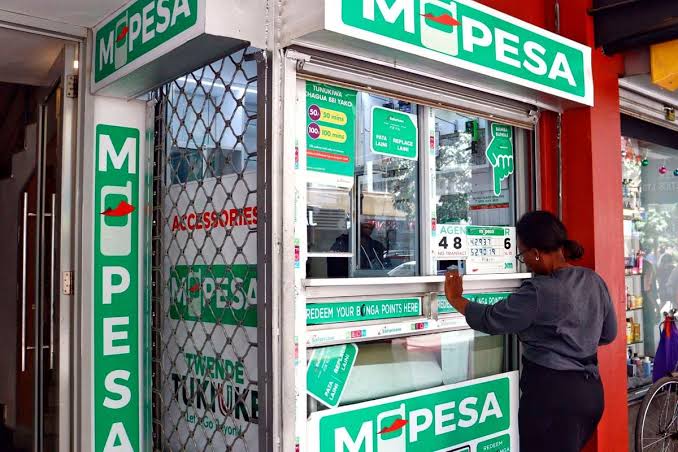
Safaricom’s M-Pesa continues to dominate Kenya’s mobile money market, accounting for 88.8 per cent of mobile money subscriptions in the June quarter, according to industry reporting based on CA data.
The latest numbers therefore point to a mobile money market developing along two parallel paths: the digital customer base continues to grow, while the economics and structure of the physical agent network are changing.
For consumers, the key question is whether the contraction in registered agents will eventually affect access to cash-in and cash-out services, particularly in areas where physical agents remain the main connection between digital money and the cash economy.
For agents and businesses, the figures highlight the growing need to assess the profitability of traditional mobile money outlets as customers increasingly use mobile phones for payments and other financial transactions.
The Communications Authority figures do not identify a single reason for the decline in registered agents. What they show is a market in transition, with Kenya continuing to add mobile money accounts while the physical network supporting some of those transactions adjusts to changing customer behaviour and business economics.
About the Author