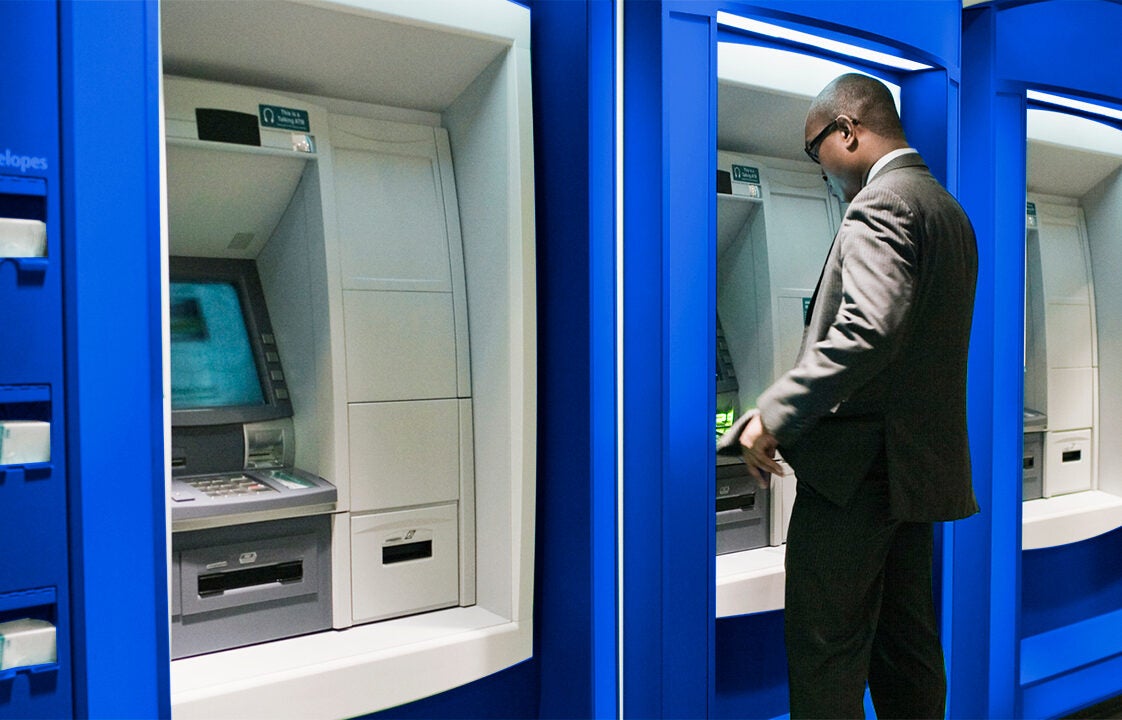
Kenya’s banking sector is steadily reducing its reliance on Automated Teller Machines (ATMs) as customers increasingly turn to mobile, digital and agency banking services for everyday financial transactions.
The number of ATMs in the country fell by 61 machines, or 2.66 per cent, to 2,228 in December 2025, down from 2,289 a year earlier, according to the Central Bank of Kenya’s 2025 Bank Supervision Annual Report.
The Central Bank of Kenya (CBK) attributed the decline to increased adoption of mobile and digital banking channels, growing competition from mobile money services and the need for banks to reduce operating costs.
The shrinking ATM network reflects a wider transformation in how Kenyans access financial services. Transactions that once required customers to visit a bank branch or ATM can increasingly be completed through mobile phones, banking applications, USSD platforms and agents.
Mobile money has been a major driver of this shift. Safaricom’s M-Pesa, for example, has about 40 million monthly active customers and processes approximately 37 million transactions a day, according to figures cited in the latest reporting.

The growth of digital channels has changed the economics of physical banking infrastructure. ATMs require cash replenishment, security, maintenance, connectivity and other operational expenses, while digital platforms allow banks to serve large numbers of customers without maintaining an equivalent physical network.
Kenyan banks have been making this transition for several years. Earlier CBK data showed that the number of ATMs fell as agency, mobile and internet banking gained popularity, with agents increasingly performing services that were traditionally handled through bank branches and ATMs.
Agency banking has also become an important part of the country’s financial-services ecosystem. Bank agents can provide services such as cash deposits and withdrawals, bill payments, balance enquiries and transfers, giving customers access to basic banking services closer to their homes and businesses.
The shift does not mean cash has disappeared from the Kenyan economy. Rather, it indicates that the point at which customers access cash and other banking services is changing. ATMs remain important for withdrawals and other transactions, particularly for customers who need physical cash, but their role is being complemented or replaced by mobile wallets, agents and digital banking platforms.
For banks, reducing the number of machines can help lower infrastructure and operating costs while allowing investment to move towards digital platforms, cybersecurity and other technology-driven services.
For customers, the transition can mean greater convenience, particularly where mobile and agency services are readily available. However, it also highlights the importance of maintaining accessible alternatives for customers who may have limited access to smartphones, reliable internet connectivity or digital financial services.
The declining ATM footprint therefore offers a visible measure of a much broader transformation in Kenya’s financial sector: banking is increasingly moving from physical locations and machines to services delivered through mobile phones and digital platforms.
About the Author