For many Nigerians, the country’s economic recovery is still difficult to see in everyday life.
Food, petrol and other essentials remain expensive, putting pressure on household budgets even as some of Nigeria’s broader economic indicators have improved. The strain is likely to become a central issue as the country moves towards the 2027 general election.
Nigeria’s National Bureau of Statistics reported headline inflation of 15.91 per cent, while food inflation stood at 17.52 per cent. The figures show that price pressures have eased from the much higher levels recorded earlier, but food remains a significant burden for households. (Nigerian States)
The squeeze is closely linked to the economic changes introduced by President Bola Tinubu’s administration. The removal of the petrol subsidy, changes to the electricity subsidy system and the sharp adjustment of the naira have increased costs across the economy. Reuters reported that the price of everyday staples and transport has risen sharply since the reforms began. (Reuters)
The government has argued that the measures were necessary to repair public finances, attract investment and put the economy on a more sustainable footing. Some signs suggest that investors have responded positively. Nigeria has recorded stronger interest in its financial markets and increased capital inflows.
But those gains have not been felt equally.
For ordinary Nigerians, the immediate concern is often the price of food, transport and energy rather than movements in the stock market. Reuters reported that many households remain outside the financial gains associated with stronger investor confidence, while borrowing costs remain high. (Reuters)
That gap between improving economic indicators and the experience of households could carry political consequences.
Tinubu’s administration is likely to face questions over whether the reforms will eventually produce better living standards for ordinary Nigerians. The president and his supporters have defended the changes as painful but necessary steps towards long-term economic stability.
Critics, however, argue that the burden has fallen too heavily on households already struggling to make ends meet.
The debate is likely to intensify as the 2027 election approaches. For voters, the measure of economic recovery may be less about market performance and more about whether a family can afford its weekly shopping, pay for transport and keep up with rising household expenses.
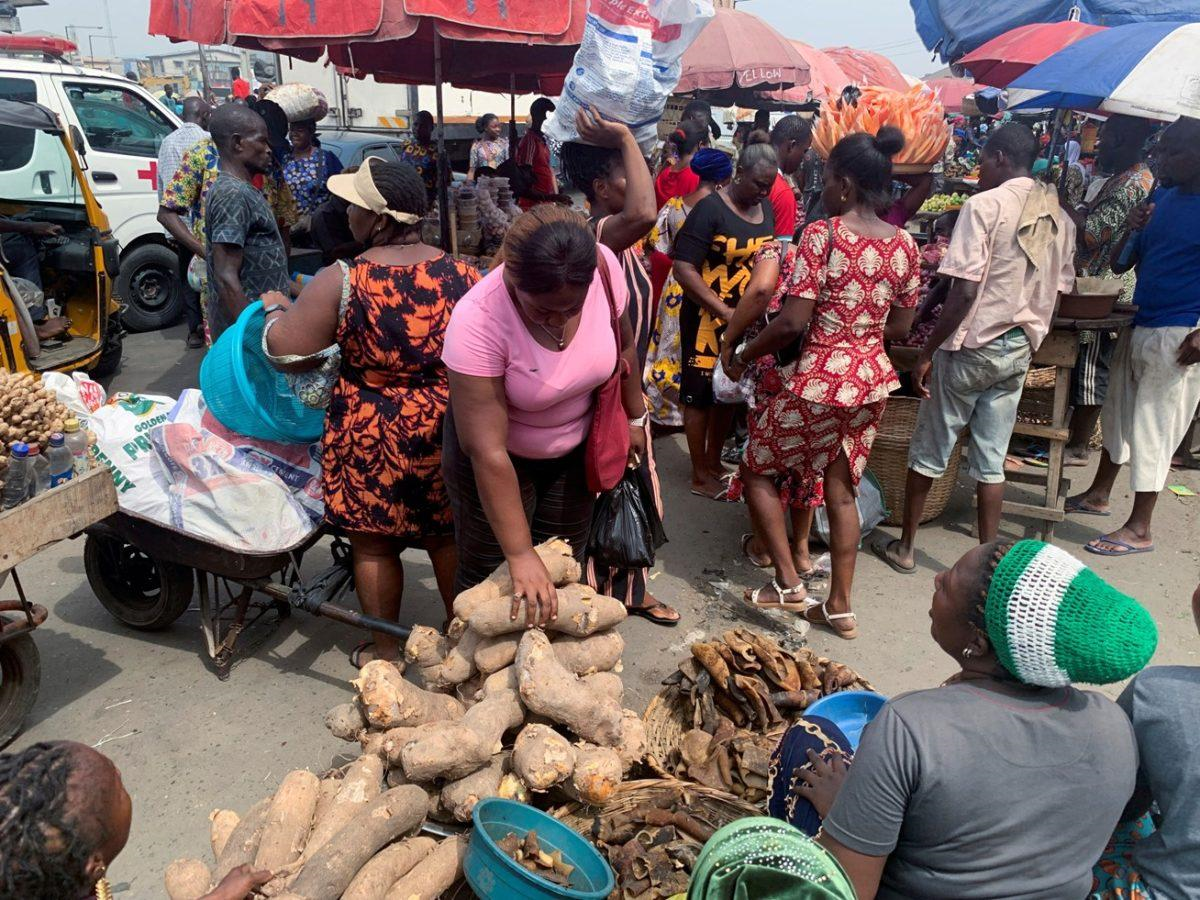
Nigeria’s economic story, in other words, is increasingly being judged at the market stall and petrol station — not just in financial markets.
About the Author