

Kenya is becoming an important testing ground in the race to bring satellite internet to more of Africa.
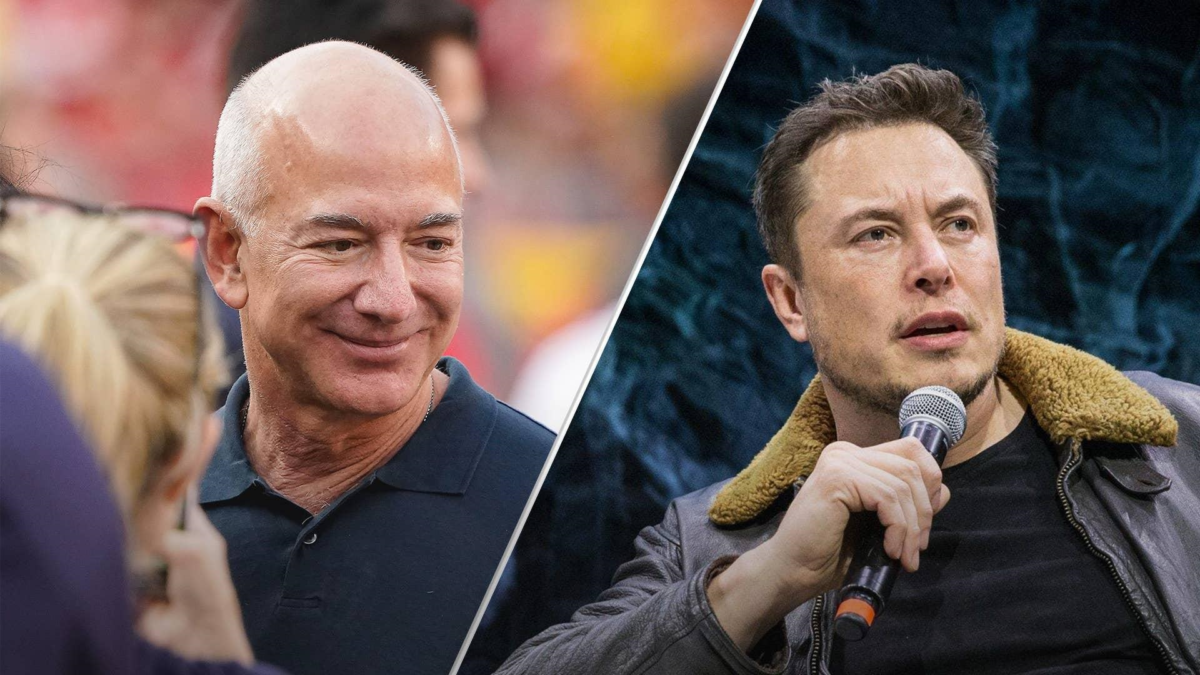
Elon Musk’s Starlink is already operating in the country. Now Jeff Bezos’ Amazon is seeking to enter the market, with plans that could make Kenya a key base for its satellite network on the continent.
The competition is no longer only about who can put more satellites into space. It is also about who can connect people on the ground, particularly in places where fibre cables and mobile towers are difficult or expensive to build.
Amazon has applied for licences in Kenya through Amazon Kuiper Kenya Limited, its local subsidiary. The company is seeking approval to provide satellite connectivity and establish infrastructure for its Amazon Leo service, formerly known as Project Kuiper.
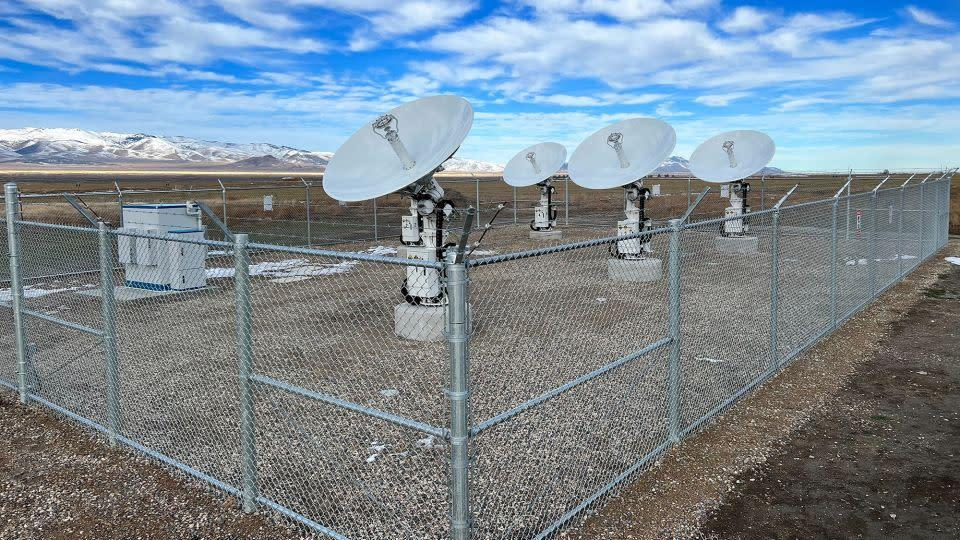
The plans include an African satellite ground station in Kenya.
A ground station is important because it acts as a link between satellites in space and internet networks on the ground. Instead of sending data to a distant facility, a local gateway can help shorten the route and improve performance.
Amazon’s proposed facility would therefore serve a purpose beyond the Kenyan market. It could help the company connect customers in Kenya and potentially serve other parts of the region.
Why Kenya?
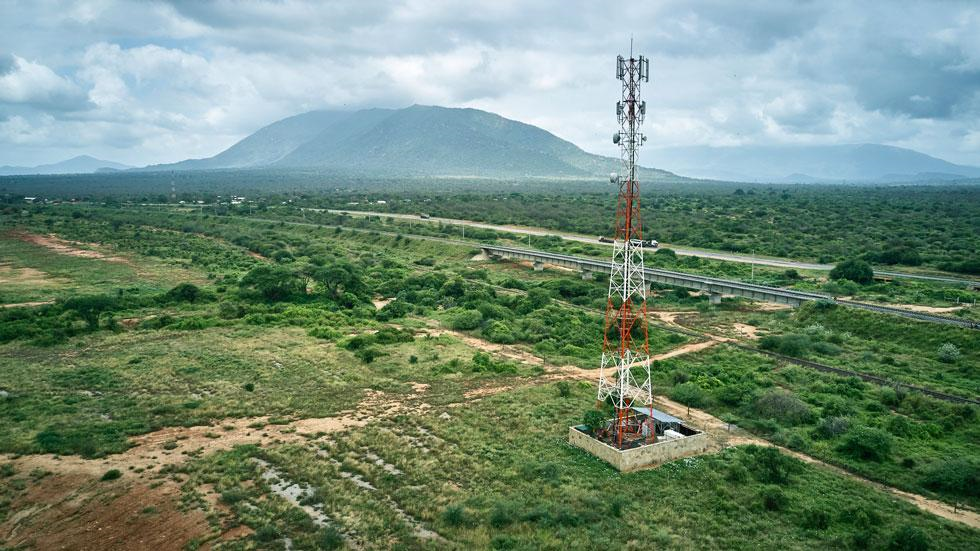
Kenya already has one of Africa’s more developed digital markets. Mobile phones and mobile money are deeply embedded in everyday life, while demand for faster and more reliable internet continues to grow.
The country also has large areas where conventional internet infrastructure remains difficult to deploy.
That is where satellite internet comes in.
A small dish can connect directly to satellites passing overhead. This makes the technology particularly useful in rural and remote areas that may not have access to fibre or reliable mobile broadband.
Starlink entered Kenya in 2023 and has since built a growing customer base.
By March 2026, the company had 24,999 subscribers in Kenya, according to Communications Authority data. That represented 0.9 per cent of the country’s internet market.
But its rapid growth has also brought pressure on the network.
In July, Starlink stopped accepting new sign-ups in seven counties, including Nairobi, Kiambu, Mombasa and Machakos, after available capacity was exhausted. Customers in those areas were placed on waiting lists.
That makes Amazon’s planned entry particularly significant.
Bezos is coming for Starlink’s market
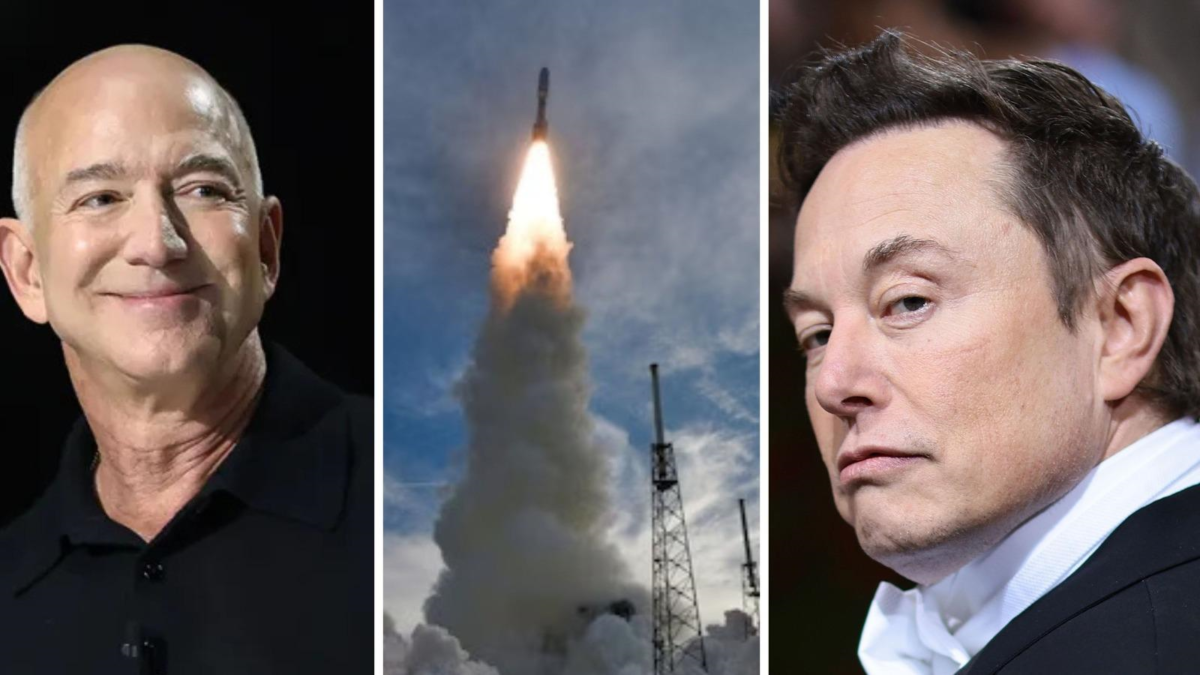
Amazon Leo is designed to compete directly with Starlink.
Amazon plans a constellation of more than 3,200 satellites for its first-generation system. The company is also working on services that could eventually allow satellites to connect directly with ordinary mobile phones, reducing the need for conventional towers in some hard-to-reach areas.
Amazon has already begun building its network, although it remains behind Starlink in the number of satellites deployed and the size of its existing customer base.
That gives Starlink an important advantage in Kenya.
But Amazon is entering with a different proposition.
The company has indicated that its equipment could support higher download speeds than some of Starlink’s standard offerings. It has not yet announced final Kenyan consumer prices, however, so it is too early to say whether Amazon will be cheaper.
The race is moving beyond dishes
The next stage of the competition could be bigger than the satellite dishes that consumers see on rooftops.
Both companies are pursuing partnerships with traditional telecommunications operators.
Amazon has signed an agreement with Vodafone to connect its satellite network to mobile infrastructure in hard-to-reach parts of Africa. Vodafone is the parent company of Vodacom, which owns a controlling stake in Kenya’s Safaricom.
SpaceX has also pursued similar partnerships. Its Starlink network has agreements involving Airtel Africa and Vodafone’s African operations.
The aim is simple: reach people who live beyond the normal range of mobile networks.
That could eventually mean a phone in a remote area connecting to a satellite when no conventional mobile tower is nearby.
What does this mean for Kenyans?
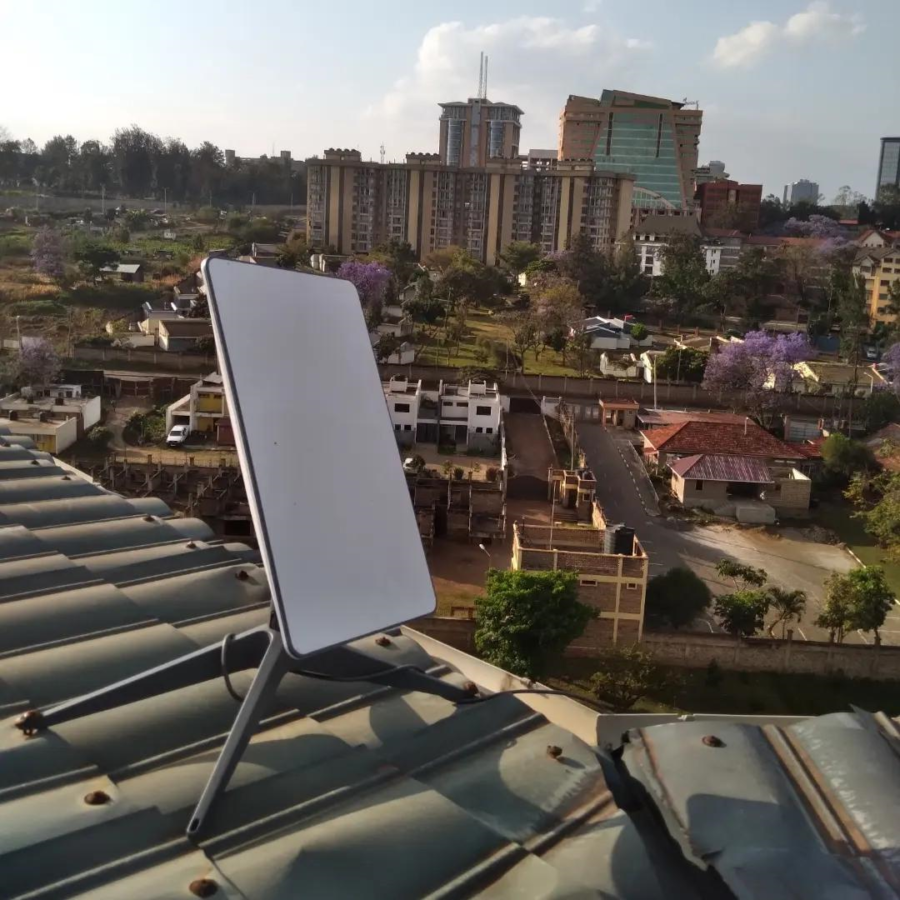
For consumers, the arrival of another satellite internet provider could mean more choice.
Competition could push companies to improve speeds, expand coverage or offer more flexible prices.
But lower prices are not guaranteed.
Satellite internet still requires specialised equipment for many services, and companies have to recover the cost of launching and maintaining large satellite networks.
There are also regulatory questions.
Kenya introduced new rules in 2026 requiring satellite communication providers to obtain an International Gateway Systems and Services licence. The licence costs at least Sh15 million, with operators also required to pay an annual fee based on turnover.
Amazon will therefore have to meet Kenya’s licensing and technical requirements before it can fully enter the market.
Kenya’s bigger opportunity
For Kenya, the competition could bring something beyond faster internet.
Amazon’s planned ground station could strengthen the country’s position as a regional centre for satellite communications.
If the facility goes ahead, Kenya would become home to another major satellite ground station, adding to infrastructure already being developed for satellite networks.
That could bring investment and technical jobs while giving the country a larger role in the growing space and communications industry.
But there are also concerns.
Telecommunications experts have warned that satellite transmissions could create interference with terrestrial mobile networks if not properly managed. Such interference could affect the 3G, 4G and 5G networks that millions of Kenyans rely on.
So the contest between Musk and Bezos is not simply about two billionaires competing for customers. It is about who gets to build the infrastructure that will connect the next group of internet users.
And Kenya, already home to Starlink and now being targeted by Amazon Leo, finds itself in the middle of that race.
For a country still working to close its digital divide, the outcome could matter far beyond the two companies involved.
About the Author