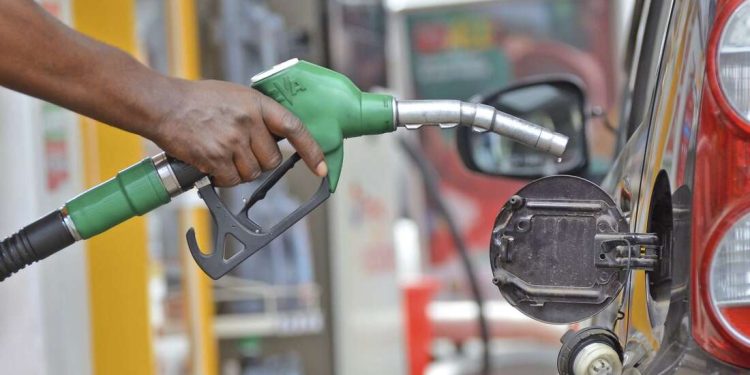
Kenyan motorists and households will continue paying the same prices at the pump for at least another month, even as global oil prices and the cost of imported fuel have dropped sharply.
The government’s decision to rebuild the country’s fuel stabilisation fund has effectively delayed the price relief many consumers had expected. Instead of passing on the savings, authorities have used the gains to ease pressure on a subsidy programme that has been stretched by months of market shocks.
The Energy and Petroleum Regulatory Authority (EPRA) on Tuesday kept fuel prices unchanged for the pricing cycle ending August 14. A liter of super petrol will continue selling at Sh214.03 in Nairobi, diesel at Sh222.86, and kerosene at Sh191.38.
The announcement came despite a notable decline in international fuel prices over the past month. EPRA data shows the global price of refined petrol, diesel and kerosene all fell in June, while Kenya’s landed cost of imported fuel also eased.
Ordinarily, lower import costs would create room for a reduction in local pump prices. This time, however, the government opted to channel the savings towards restoring the Petroleum Development Levy (PDL) fund, which was heavily depleted after months of cushioning consumers from soaring fuel prices triggered by conflict in the Middle East.
Energy Cabinet Secretary Opiyo Wandayi said the government would continue protecting consumers while rebuilding the fund.
“In the July-August 2026 fuel pricing cycle, the government will deploy a subsidy from the Petroleum Development Levy to the tune of Sh945 million to sustain the current fuel price levels,” Wandayi said.
The stabilisation programme has come under growing financial pressure. By June, the government owed Oil Marketing Companies (OMCs) more than Sh20 billion in pending fuel subsidy arrears.
According to a senior Energy Ministry official, who declined to be named because they are not authorized to speak publicly, the subsidy scheme has been operating at a deficit.
“The government has been operating on a deficit, especially on petrol and kerosene. This is why Kenyans have not enjoyed the gains from the recent decline in global prices and import costs,” the official said.
The pressure intensified after global oil prices surged earlier this year following renewed tensions involving Israel, Iran and the United States, as well as disruptions around the Strait of Hormuz, one of the world’s busiest oil shipping routes.
Although Brent crude has since retreated to below $70 a barrel, significantly lower than the highs recorded during the conflict, the financial strain created by months of subsidies remains.
The government injected Sh17 billion into the stabilization program in April as prices climbed. By the end of May, spending on fuel subsidies and tax relief had exceeded Sh28 billion, with the June-July pricing cycle alone requiring about Sh10 billion to keep diesel and kerosene prices from rising further.
The Petroleum Development Levy, funded through a charge of about Sh5.40 on every liter of petrol and diesel sold locally, generates between Sh25 billion and Sh30 billion each year. It also receives support from Treasury allocations and tax measures.
Industry players acknowledge the financial challenge facing the fund, even as consumers wait for lower prices.
Petroleum Institute of East Africa Chairman Solomon Osundwa said outstanding subsidy payments remain a major concern.
“A big chunk of subsidies and advance sales is still outstanding,” Osundwa said.
Oil Marketing Companies are also seeking refunds from the Treasury and the Kenya Revenue Authority for taxes tied to fuel supplied to organisations that enjoy tax exemptions, including the United Nations and the Kenya Defence Forces.
Despite the current disappointment, industry leaders believe motorists may soon benefit from lower prices if global trends continue.
Petroleum Outlets Association of Kenya Chairman Martin Chomba said improving market conditions and a stronger stabilisation fund could pave the way for significant reductions in the next pricing cycle.
“The prices are likely to significantly drop in August because the government will also have stabilised. We are seeing crude prices go back to pre-war levels, so most likely consumers will enjoy lower prices from August,” Chomba said.
For now, however, motorists will have to wait. The savings created by cheaper global oil are being used not to cut prices immediately, but to rebuild the financial cushion that could protect consumers when the next global energy shock arrives.
About the Author