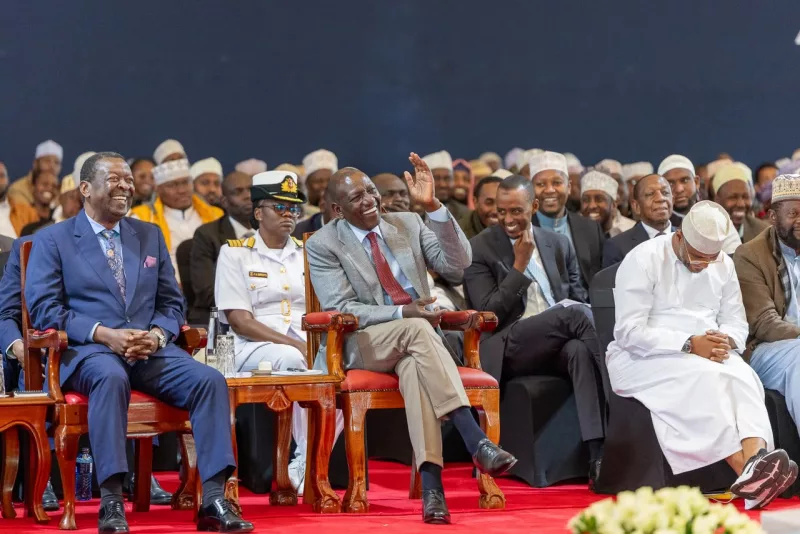
President William Ruto on Wednesday welcomed thousands of Muslim religious leaders to State House, Nairobi, in one of the largest faith-based gatherings hosted by his administration.
The meeting, attended by more than 10,000 sheikhs and other Muslim leaders according to organisers, was broadcast live from State House. Images from the event showed rows of religious leaders seated beneath Kenyan flags, listening as the President addressed the gathering. Others greeted cameras with peace signs while waiting for proceedings to begin.
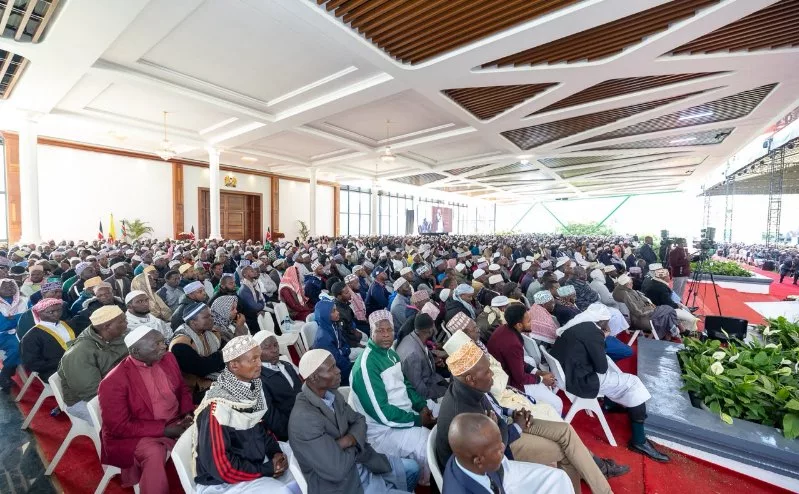
The event adds to a growing list of large-scale engagements that Mr Ruto has held with religious, professional and community groups at State House over the past two years, part of what he has described as an effort to make the official residence more accessible to ordinary Kenyans.
A Continued Focus on Religious Engagement
The President has frequently met faith leaders from different religious communities, including hosting Iftar dinners during Ramadan and Eid celebrations with Muslim leaders in Mombasa and Kisumu earlier this year. His administration has consistently presented these engagements as opportunities to strengthen dialogue between government and religious institutions.
Addressing criticism over the growing number of delegations visiting State House, Ruto previously defended the practice, saying the residence belongs to all Kenyans rather than a select group of dignitaries.
“I have not lowered the dignity of State House. I have elevated the dignity of Kenyans,” President Ruto said while responding to criticism over the meetings.
Praise and Political Questions
Supporters described Wednesday’s gathering as another sign of the administration’s commitment to engaging Kenya’s diverse religious communities and recognising the role faith leaders play in promoting peace and development.
The event, however, also drew criticism from sections of the political class and online commentators. Some questioned the timing as political activity begins to gather pace ahead of the next General Election, arguing that such large State House meetings could carry political significance.
Separately, claims circulated on social media and in political circles alleging that some religious leaders received payments linked to the meeting. As of publication, no official evidence had been produced to substantiate those claims, and the Presidency had not publicly confirmed any such payments. Similar allegations surrounding previous State House meetings have also remained contested or unverified.
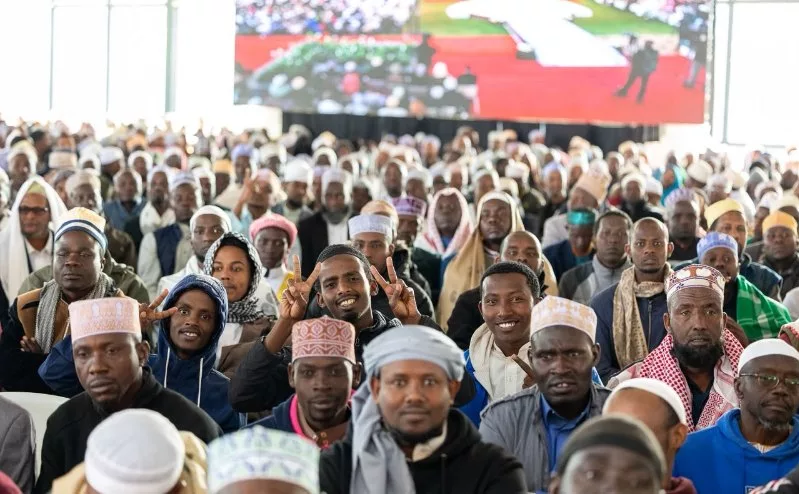
The gathering is likely to fuel further debate over the role of State House as both the seat of government and a venue for large public engagements. While supporters see the meetings as inclusive outreach, critics continue to question their cost, timing and political implications.
Today’s event stands as one of the biggest faith-based assemblies ever hosted at State House, reflecting both the influence of Kenya’s Muslim religious leaders and the increasingly prominent role they occupy in Kenya’s public and political life.
About the Author