
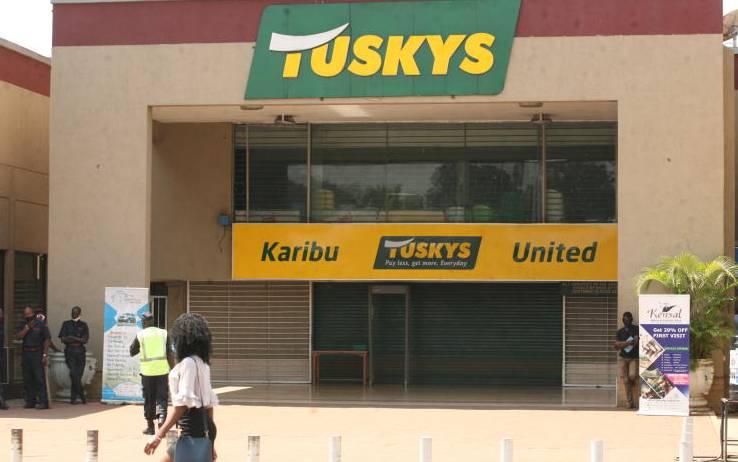
For decades, Tuskys was more than a supermarket. It was where millions of Kenyans bought groceries, queued to pay school fees and trusted they would find almost everything under one roof. Today, the once-mighty retailer exists only in memory, its shuttered stores serving as reminders of how quickly even the biggest businesses can unravel.
The supermarket chain grew from a modest family enterprise into one of East Africa’s largest retailers, operating dozens of outlets across Kenya and Uganda and employing thousands of people. Its rapid expansion earned it a loyal customer base and placed it among the country’s most recognisable brands.
But behind the bright aisles and growing footprint, financial pressures were mounting.
As competition in Kenya’s retail sector intensified, Tuskys relied heavily on debt to finance its expansion. Suppliers increasingly complained of delayed payments, while lenders sought repayment of billions of shillings owed by the retailer. Empty shelves, once unimaginable in its stores, gradually became a familiar sight as suppliers withheld stock over unpaid invoices.
The retailer’s troubles extended beyond its finances. Following the death of founder Joram Kamau, disagreements among family members over the company’s management and strategic direction became increasingly public. The internal disputes complicated decision-making at a time when the business required decisive leadership.
The Covid-19 pandemic further exposed the supermarket’s fragile financial position. Reduced consumer spending, cash flow constraints and a growing debt burden accelerated branch closures. Employees reported salary delays, while suppliers continued pressing for payments that had remained outstanding for months.
By 2023, the final Tuskys stores had closed, marking the end of a retail empire that had once appeared untouchable. Court-supervised liquidation followed, leaving creditors, landlords, suppliers and former employees seeking to recover billions of shillings.
The collapse also reshaped Kenya’s retail industry. According to the Retail Trade Association of Kenya and the Competition Authority of Kenya, the failures of Tuskys and other major chains prompted stricter oversight of retailer-supplier relationships. New buyer power regulations were introduced to curb delayed payments and protect suppliers from unfair business practices. Authorities say the reforms have helped recover billions of shillings owed to suppliers in recent years.
While competitors such as Naivas, Carrefour and Quickmart expanded into spaces once occupied by Tuskys, the chain’s downfall remains one of Kenya’s most significant corporate failures. Business analysts say it offers enduring lessons on corporate governance, responsible borrowing and the importance of transparent leadership.
The story of Tuskys is ultimately not just about a supermarket that disappeared. It is about how success can unravel when debt outpaces growth, governance weakens and confidence from suppliers, employees and customers begins to fade.
About the Author