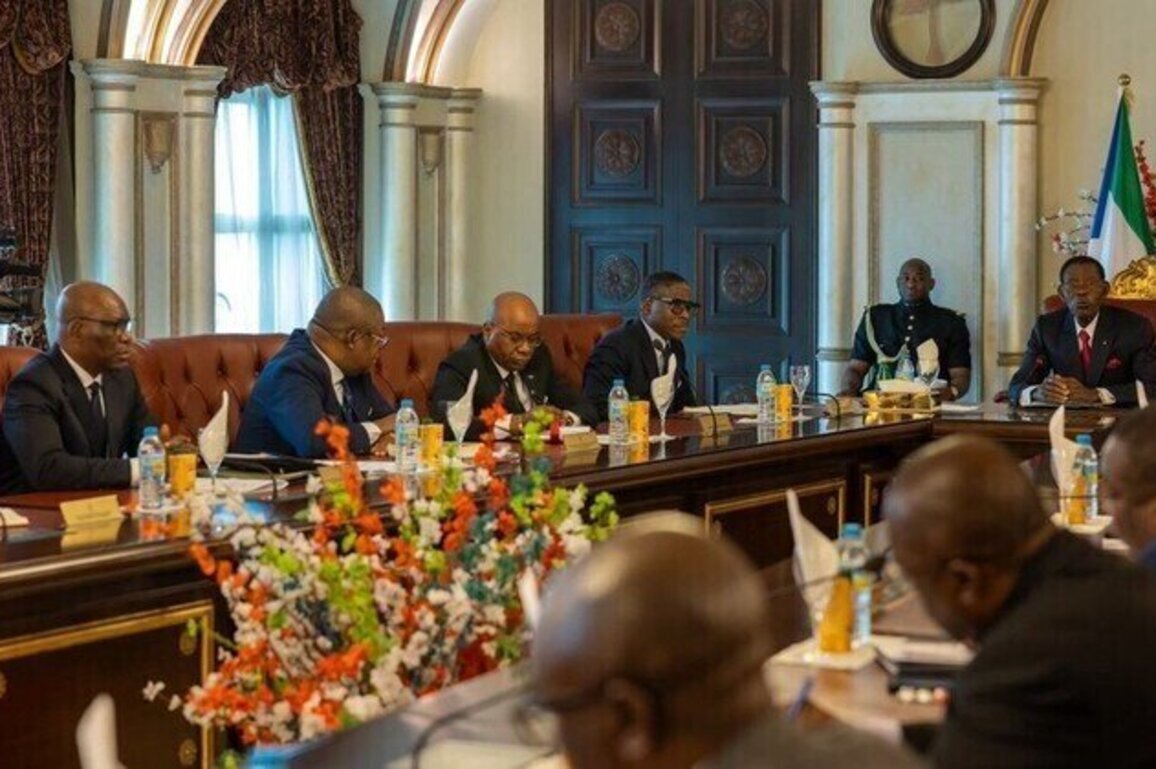
Equatorial Guinea’s government has stepped down after failing to meet most of the objectives set by President Teodoro Obiang Nguema Mbasogo, marking a rare public rebuke within one of Africa’s longest-ruling administrations.
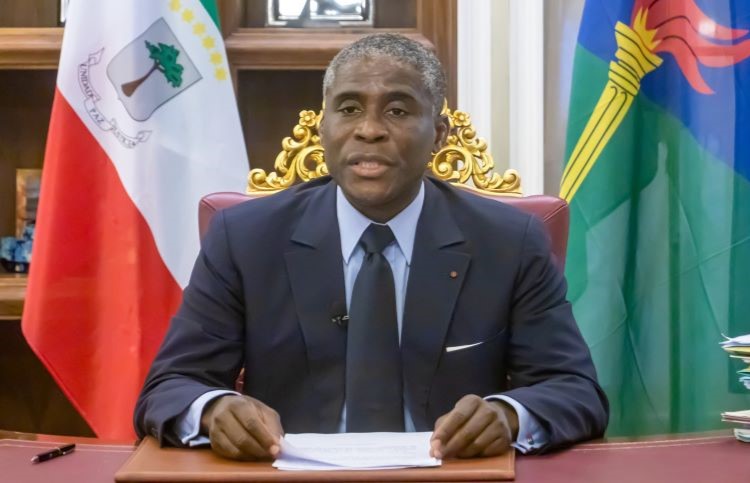
Vice-President Teodoro Nguema Obiang Mangue announced on Tuesday that Prime Minister Manuel Osa Nsue Nsua had submitted the resignation of the entire cabinet after the government achieved less than 10 per cent of its assigned targets.
The degree of execution achieved is clearly insufficient in relation to the expectations and commitments undertaken announced on Tuesday that Prime Minister Manuel Osa Nsue Nsua had submitted the resignation of the entire cabinet after the government achieved less than 10 per cent of its assigned targets.
“The degree of execution achieved is clearly insufficient in relation to the expectations and commitments undertaken,” the vice-president wrote on social media, describing the move as part of the principle that public officials must be held accountable for results.
Government Missed Key Performance Targets
The announcement comes less than two years after the government was appointed in 2024, with Mr Nsue tasked with helping steer economic reforms in the oil-rich Central African nation.
While officials did not provide a detailed breakdown of the missed targets, the ruling Democratic Party of Equatorial Guinea (PDGE) said President Obiang had expressed deep dissatisfaction with the cabinet’s performance.
Economic Diversification Remains a Challenge
In a statement, the party said the outgoing administration had failed to advance key development projects, encouraged corruption, and misused public resources for private interests. The statement also pointed to the government’s inability to diversify the economy, particularly through agriculture, leaving the country heavily dependent on imports and oil revenues.
A new government is expected to be appointed in the coming days.

Equatorial Guinea’s economy remains largely tied to petroleum exports, with oil and gas accounting for the bulk of government income. However, declining oil production and weaker global demand in recent years have placed increasing pressure on public finances.
Despite the country’s significant natural resource wealth, many citizens have seen little benefit. Poverty remains widespread across the nation of roughly 1.8 million people, and economic opportunities outside the energy sector remain limited.
Long-Serving President Faces Fresh Governance Questions
President Obiang, who seized power in 1979, is widely regarded as the world’s longest-serving head of state. Over the decades, he has maintained a firm grip on power while placing several family members in influential government positions, including his son, Vice-President Obiang Mangue.
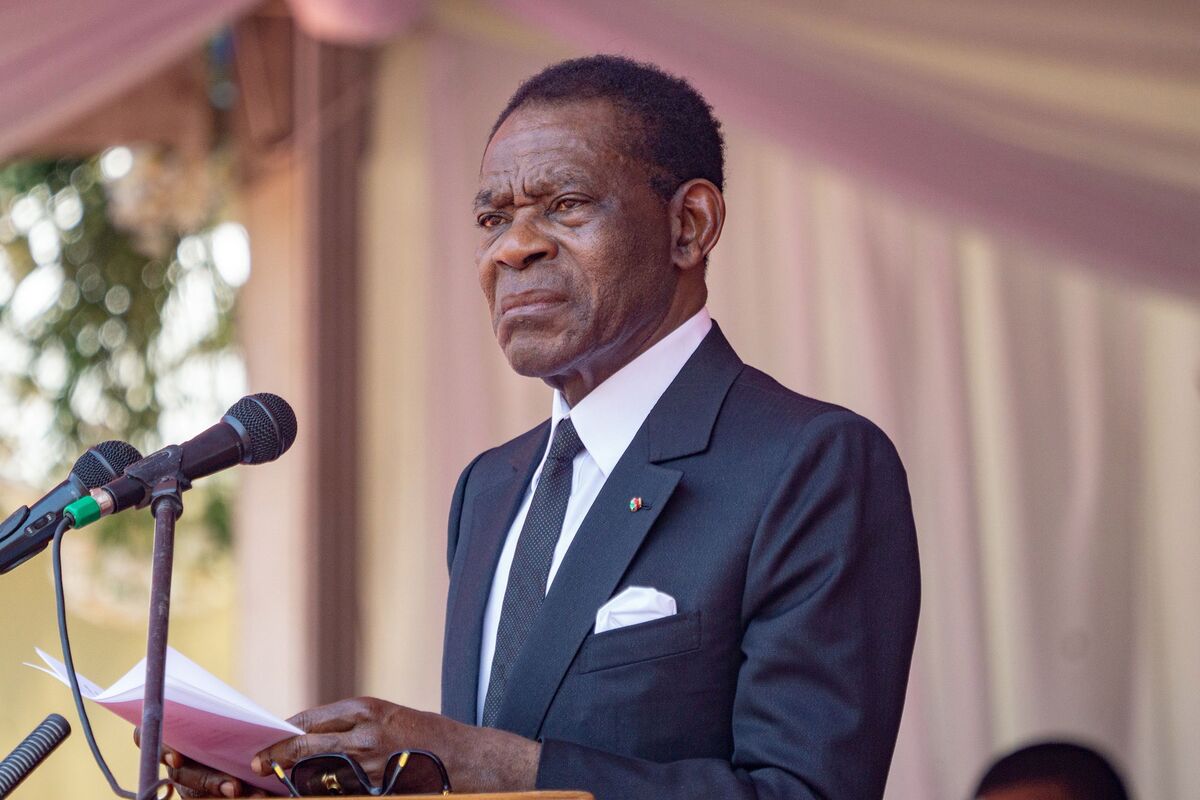
The cabinet’s resignation signals growing concern within the administration over economic performance and governance. Whether the next government can address long-standing challenges such as corruption, economic diversification and job creation remains one of the country’s most pressing questions.
About the Author