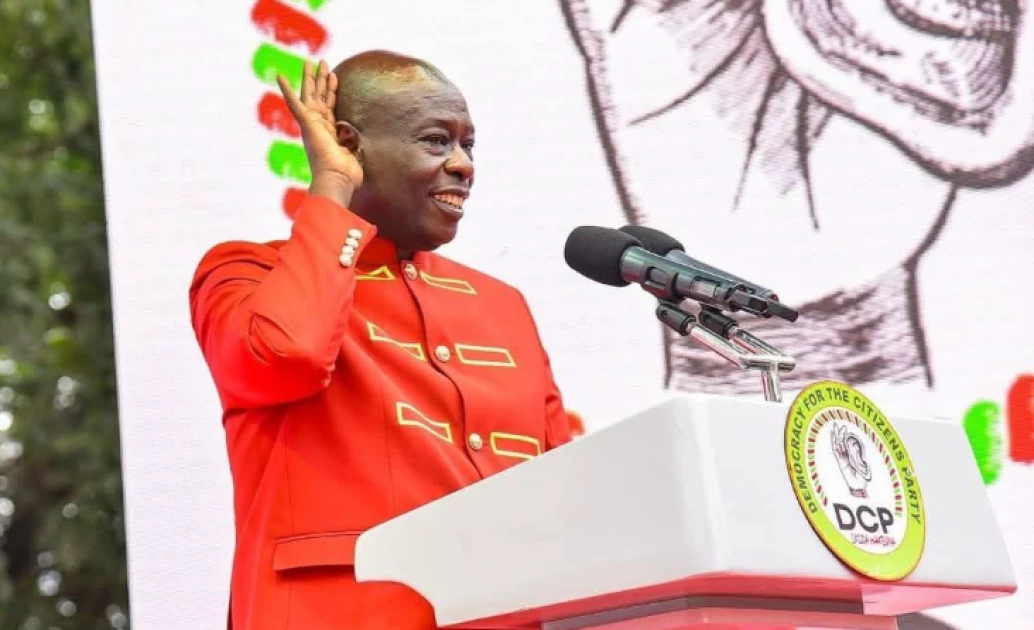
Former Deputy President Rigathi Gachagua has taken his fight over his 2024 impeachment to the Court of Appeal, challenging a High Court ruling that found serious flaws in the process but stopped short of overturning his removal from office.
Gachagua, who now leads the Democracy for the Citizens Party (DCP), filed the appeal on August 13. He wants the appellate court to declare the Senate resolution that removed him unconstitutional and void.
The case centres on what Gachagua considers a contradiction in the High Court’s judgment: the judges found that his constitutional right to a fair hearing had been breached, yet allowed the impeachment to stand.
A question of fairness
The High Court, in its June 8 judgment, said the right to a fair trial was a fundamental constitutional protection. It also found that such a right could not simply be set aside because of political pressure or constitutional deadlines.
But the court stopped short of nullifying the impeachment.
It was concerned that doing so could create a constitutional problem by leaving two people claiming the office of Deputy President.
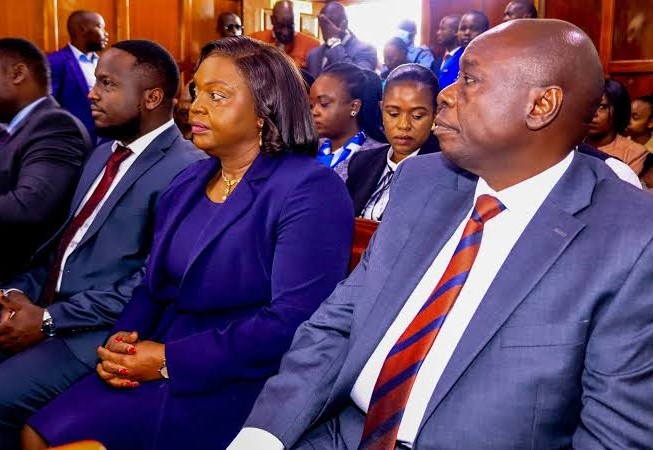
That decision is now at the heart of Gachagua’s appeal.
His lawyers argue that once the court found the process had violated constitutional safeguards, it should have followed that finding through and declared the Senate’s decision invalid.
They say the judgment reached a conclusion that was inconsistent with the court’s own findings.
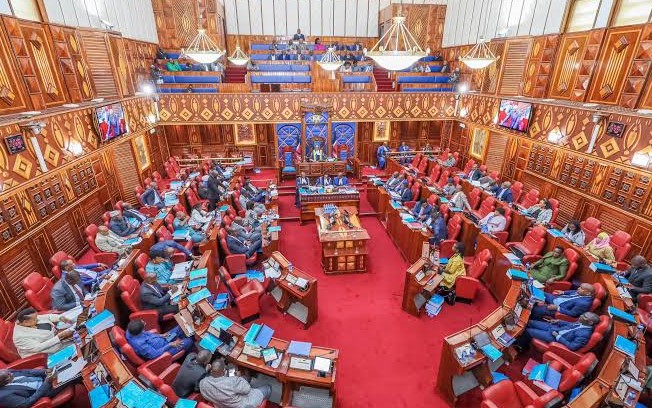
The appeal also questions the Senate’s handling of the investigation. Gachagua argues that the required investigative stage was mandatory and that the failure to establish a special committee was a serious procedural defect.
Public participation challenged
Gachagua is also challenging the High Court’s finding that there had been adequate public participation during the impeachment process.
His appeal argues that Parliament did not meet the standards established by the Supreme Court for meaningful public participation.
The dispute dates back to October 2024, when the National Assembly voted overwhelmingly to impeach Gachagua.
The motion received 281 votes in favour, 44 against and one abstention. It was then sent to the Senate, which upheld five of the charges against him.
Under the Constitution, the removal of a Deputy President follows the impeachment framework set out for the President, with necessary modifications.
Gachagua is asking the Court of Appeal to overturn the part of the High Court ruling that preserved his removal.
He is also seeking a review of the judgment’s record, claiming that four paragraphs read in open court were later left out of the written version.
The High Court awarded him Sh50 million in constitutional damages against the Senate. Gachagua argues that the amount does not go far enough to address the constitutional violations he says occurred.
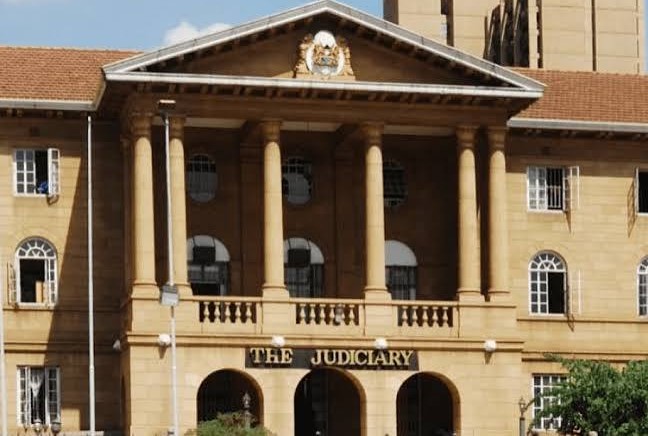
The appeal now places the dispute before the Court of Appeal, where the judges will have to consider whether the procedural violations identified by the High Court were serious enough to invalidate the impeachment itself.
For Gachagua, the issue is no longer only whether his removal was politically justified. It is whether a process found to have breached constitutional protections can lawfully produce a valid result.
About the Author