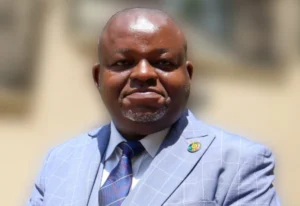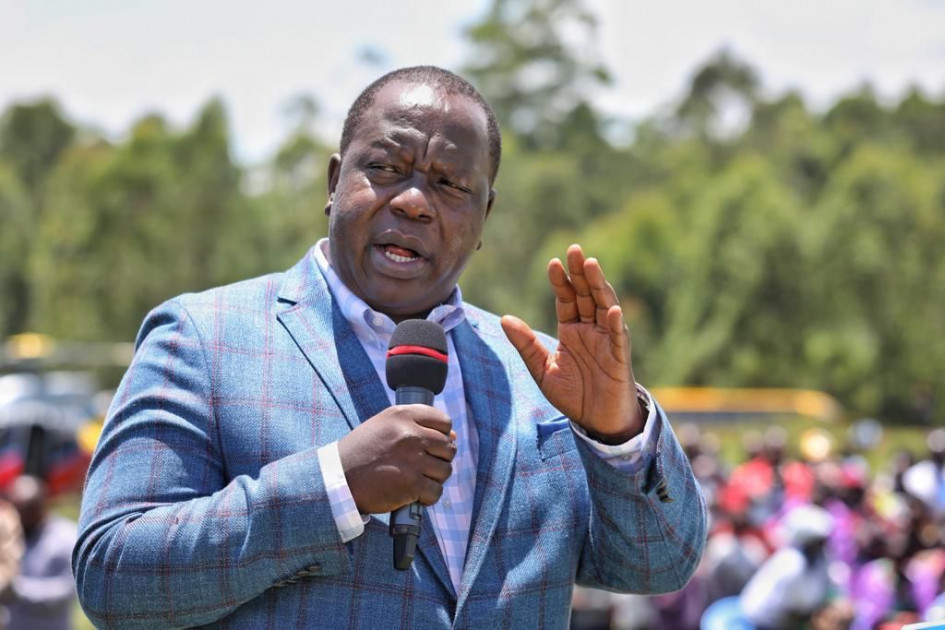
Former Interior Cabinet Secretary Fred Matiang’i is casting himself as a unifying figure in Kenya’s increasingly restless opposition politics, promising a more measured and people-focused style of leadership as the country edges closer to the 2027 General Election.
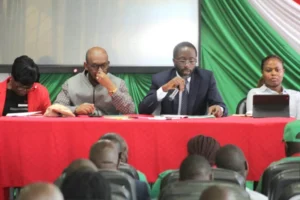
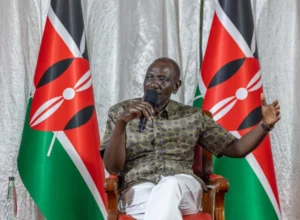
Speaking to supporters and political allies during a consultative meeting, Matiang’i said Kenya’s political class must move beyond rivalry and focus on the daily struggles facing ordinary citizens. He urged opposition leaders to work together, arguing that division within rival camps only weakens efforts to challenge President William Ruto and his administration.
“We must put Kenya first,” Matiang’i said. “Leadership should be about listening to wananchi and finding solutions together.”
The former powerful Interior minister, once known for his hard-line approach in government, struck a noticeably softer tone. He spoke of humility, dialogue and cooperation — language that appears designed to broaden his appeal beyond his traditional political base.
His remarks come at a time when Kenya’s opposition landscape is shifting rapidly. Political figures across the country have intensified consultations, regional meetings and coalition talks as early manoeuvres for the next presidential contest gather pace.
While Matiang’i has not formally declared a presidential bid, his recent public engagements have fuelled speculation that he may be positioning himself for a national campaign. Allies close to him have increasingly framed him as an experienced administrator capable of steering the country through economic and political uncertainty.
Kenya continues to face pressure over the rising cost of living, youth unemployment and public frustration over taxation and government spending. Opposition leaders have repeatedly accused the Kenya Kwanza administration of failing to ease the burden on struggling households, claims the government has strongly rejected.
President Ruto has defended his economic policies, saying painful reforms are necessary to stabilise the economy and reduce the country’s debt burden. His allies maintain that the administration inherited deep financial challenges and needs time to deliver results.
Matiang’i, however, insisted that opposition leaders must offer more than criticism. He called for what he described as a “shared national conversation” focused on jobs, governance and restoring public confidence in institutions.
Political analysts say coalition-building will likely define the road to 2027, with no single opposition figure currently commanding overwhelming national support. That reality, they argue, could force rival camps into uneasy alliances.
For now, Matiang’i appears determined to present himself as a calmer and more conciliatory figure in a political environment often shaped by sharp personal attacks and ethnic loyalties. Whether that message resonates widely enough remains uncertain, but his re-emergence has already added a new layer to Kenya’s evolving political contest.
About the Author