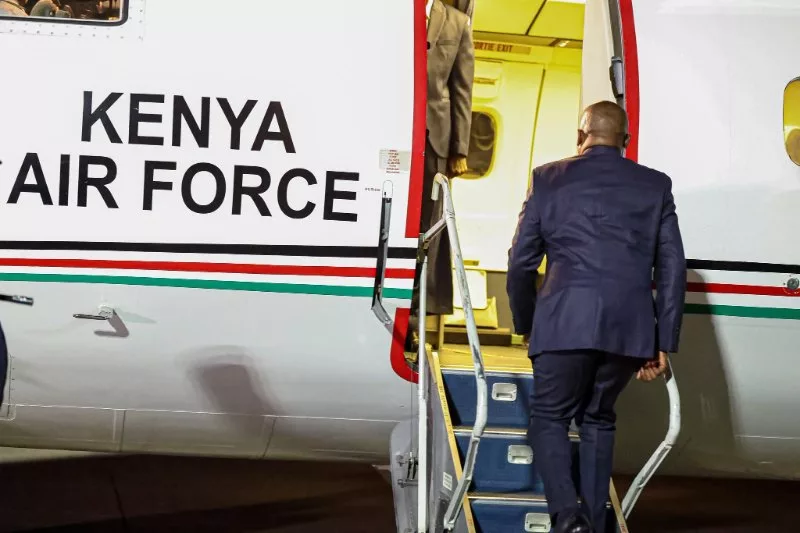
Deputy President Kithure Kindiki left Kenya on Friday for Uganda, where regional leaders are meeting to confront one of East Africa’s most persistent security challenges: restoring lasting peace and stability in Somalia.
Kindiki is representing President William Ruto at the Second Extraordinary Summit of the African Union Support and Stabilisation Mission in Somalia (AUSSOM), a gathering that brings together leaders from countries contributing troops to the peace support mission.
His departure comes at a time when governments across the Horn of Africa are under growing pressure to contain the threat posed by Al-Shabaab, while helping Somalia strengthen its own security institutions.
Defence Cabinet Secretary Soipan Tuya accompanied the Deputy President to his departure, alongside senior security officials.
A Region Looking for Lasting Stability
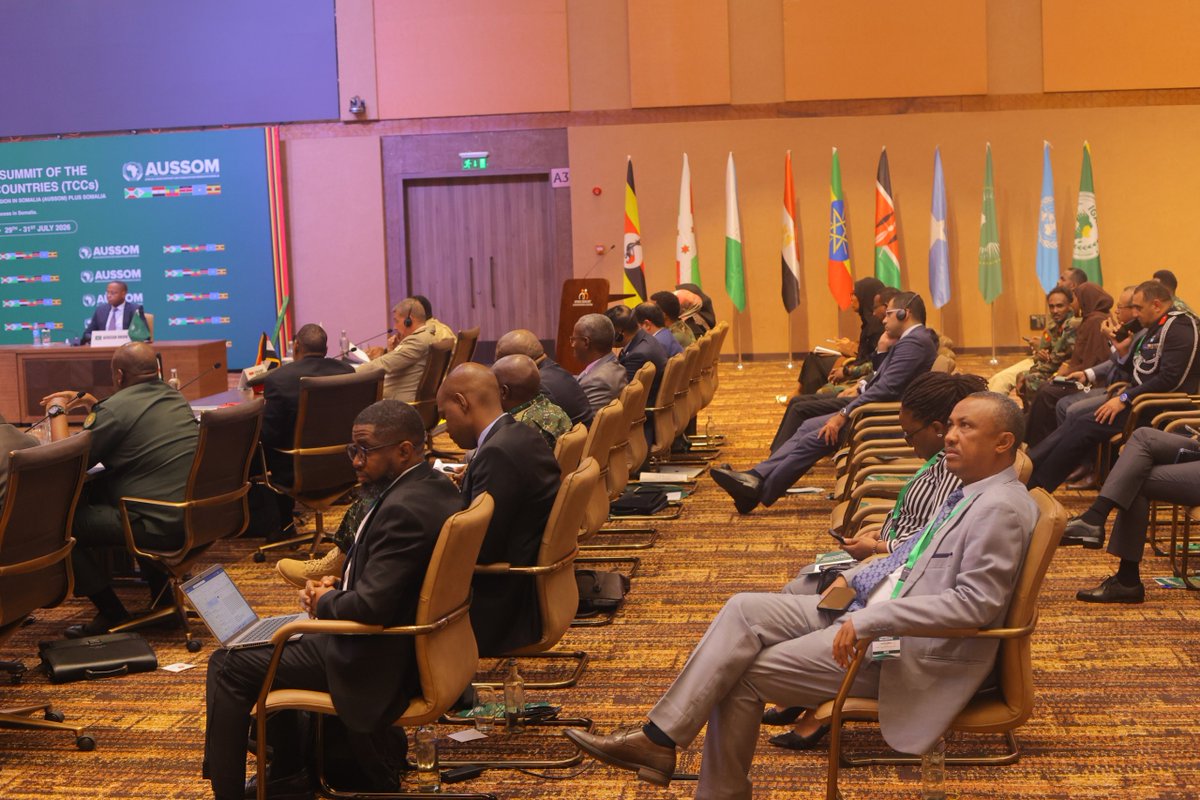
The three-day summit, running from July 29 to July 31, has brought together heads of state and senior officials from Kenya, Uganda, Somalia, Ethiopia, Djibouti, Burundi and Egypt, together with representatives from the African Union (AU), United Nations (UN) and the Intergovernmental Authority on Development (IGAD).

Their focus is clear: reviewing the progress of AUSSOM and deciding how regional partners can sustain military operations while supporting Somalia’s long-term path to stability.
According to the African Union, AUSSOM officially replaced the African Union Transition Mission in Somalia (ATMIS) on January 1, 2025, marking the beginning of a new phase in regional peacekeeping efforts.
Unlike previous missions, AUSSOM has been given a broader mandate to support Somali forces as they gradually assume responsibility for national security while continuing operations against Al-Shabaab.
Kenya’s Strategic Interest
Kenya remains one of the mission’s largest troop contributors, reflecting its long-standing security concerns.
The two neighbouring countries share a border stretching more than 680 kilometres. Over the past decade, Kenya has suffered several deadly attacks linked to Al-Shabaab, making stability in Somalia a matter of national security as much as regional cooperation.
Security analysts have consistently argued that defeating the militant group requires more than military action. Strong institutions, political stability and economic recovery inside Somalia are also seen as critical to preventing extremist groups from regaining influence.
The summit provides an opportunity for troop-contributing countries to evaluate operational challenges, funding needs and coordination among regional partners.
What Leaders Hope to Achieve
Discussions are expected to focus on strengthening cooperation between member states while supporting Somalia’s plan to take full responsibility for its security by December 31, 2029.
Regional leaders are also expected to examine the future financing of AUSSOM and the resources needed to maintain pressure on militant groups without slowing Somalia’s transition.
Although no major resolutions had been announced before the meeting, Kenya’s participation underlines Nairobi’s continued commitment to regional peace and collective security.
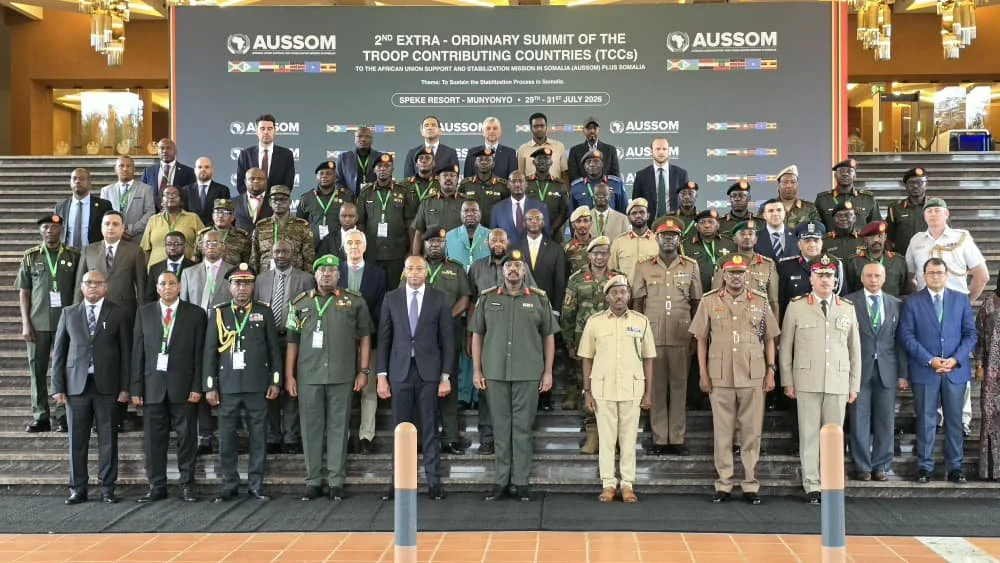
The summit concludes on July 31, with participating countries expected to issue a joint communique outlining the next steps for AUSSOM and regional security cooperation.
About the Author