In preparation for the 30th Conference of the Parties (COP30) that is to be held in Belém, Brazil from November 10th to 21st, 2025, various actors like the Kenya Red Cross Society (KRCS), the Switch Media Kenya, the International Centre for Humanitarian Affairs (ICHA) in partnership with other partners, with the aim of aligning domestic and regional priorities with the global COP30 agenda convened a PreCOP30 hybrid forum themed, Climate Change and the Struggle of Vulnerable Communities in Nairobi.
The day-long programme mapped practical pathways from community-level risk to global negotiations, and produced tangible commitments that will travel with delegates to COP30. Panelists at the forum included humanitarian responders, development financiers and civil society leaders, ensuring the debate brought both evidence and implementation experience into the room. What made the event more than a series of talks was its insistence on partnerships.
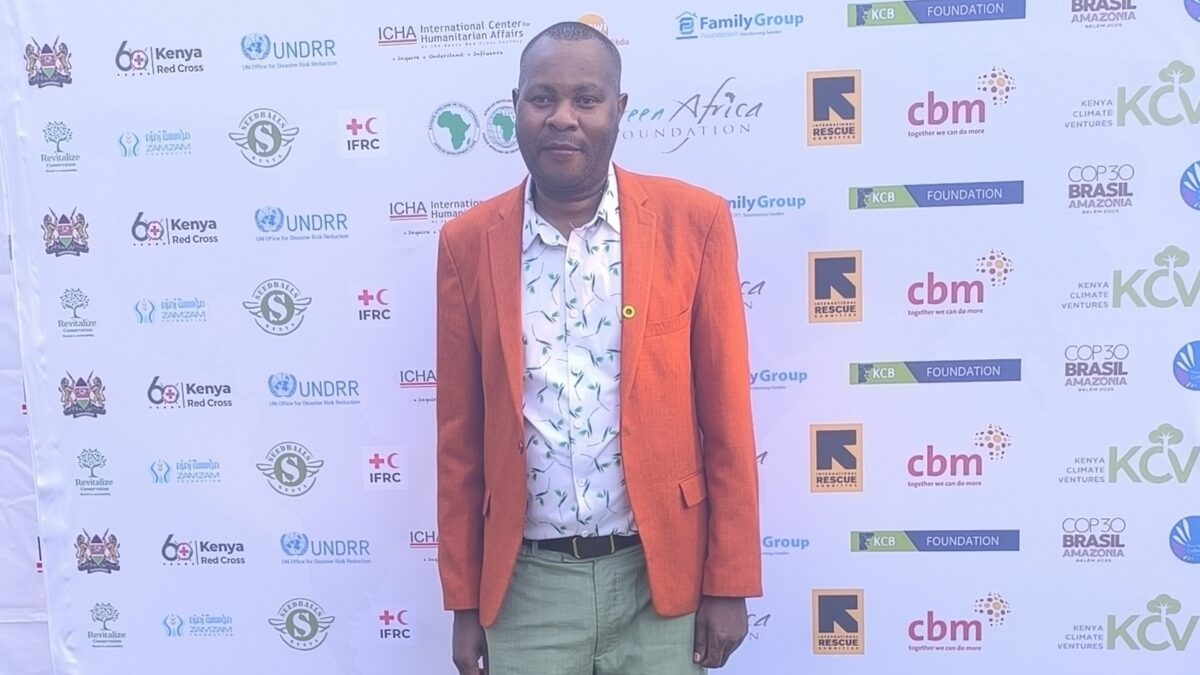
During the networking segment, media organizations, local civil-society groups and financial actors agreed to coordinate briefings and produce a joint advocacy note for COP30. That note will call for operationalizing the Loss & Damage Fund, strengthening direct access for local actors, and embedding accountability mechanisms so funds translate into measurable resilience on the ground not just promises on paper. During the PreCOP30 hybrid forum, Switch Media was privileged to have a one-on-one conversation with Mr. Patrick Kiarie, the Regional director-We Don’t Have Time and below is our conversation.
Q: Briefly share with us about the event you attended?
A: It was the PreCOP30 hybrid forum themed Climate Change and the Struggle of Vulnerable Communities, a full-day programme that brought humanitarian actors, climate finance experts, community leaders and innovators together to sharpen priorities ahead of COP30.
Q: What sessions stood out for you?
A: Several sessions were especially timely, anticipatory action and resilience, climate-driven displacement and humanitarian response, GEDSI and inclusion and a focused panel on Climate Finance, Loss & Damage, and Accountability. These sessions gave a clear line-of-sight from local challenges to the policy asks we need at COP30.
Q: What concrete benefits did the forum deliver?
A: Three big wins: first, it translated lived experience and technical practice into actionable asks on loss & damage and finance; second, it forged cross-sector partnerships between NGOs, private investors and humanitarian agencies; and third, it amplified inclusion ensuring children, persons with disabilities and displaced communities are central to solutions. The programme design made those benefits possible by pairing practical sessions with dedicated networking time.
Q: Did your organization participate on the panels? How did that go?
A: Yes, We Don’t Have Time took part in the panel discussions. It was an excellent forum to air our views, advocate for accountable climate financing, and encourage collaboration. The platform helped connect us with partners who share our goals, making science visible and actionable, and scaling solutions that protect vulnerable communities.
Q: You mentioned partnerships, what came out of the day?
A: The event catalysed at least one immediate partnership framework: media partners, local NGOs and a climate finance intermediary agreed to coordinate on a joint brief ahead of COP30 to push for operationalization of the Loss & Damage Fund and better direct-access modalities for local actors. That coordination will continue through working groups that were set up during the networking session.
Q: How will this feed into COP30?
A: The forum sharpened the messaging and evidence we will take to COP30. First, scale anticipatory action with pre-arranged finance, secondly, operationalize loss and damage so funds reach communities quickly and transparently, thirdly, strengthen climate finance accountability and direct access; and lastly, mainstream GEDSI so finance and programs leave no one behind. Those are clear, lobby-ready asks that have been shaped by the people closest to the impacts.
Q: You also referenced “Make Science Great Again” how does that feature?
A: The event reinforced the need for evidence-driven action. We Don’t Have Time is doubling down on campaigns that bring science into the public square translating research into simple guidance for policymakers and communities. The partnerships formed at PreCOP30 will help amplify climate science in local languages and formats that decision-makers at COP30 can use.
Q: Anything for people who can’t attend COP30 in person?
A: Absolutely. We Don’t Have Time Kenya Chapter will host a COP30 watch party at Thika Town Offices so stakeholders who cannot travel can watch key sessions, join virtual briefings, and feed into the advocacy agenda in real time.
Q: Final take-away from the day?
A: PreCOP30 proved that well-designed local forums can convert urgency into coherent policy asks and partnerships. If COP30 is to produce durable outcomes for vulnerable communities, it must build on this level of practical coordination and we’re ready to play our part.
This year’s COP30 focuses on global climate action and commitments to limit temperature rise. It marks a significant moment as it is the first time Brazil will host a COP, and it is set against the backdrop of the Amazon rainforest, emphasizing the importance of forest conservation in climate discussions.
About the Author