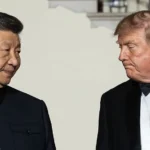

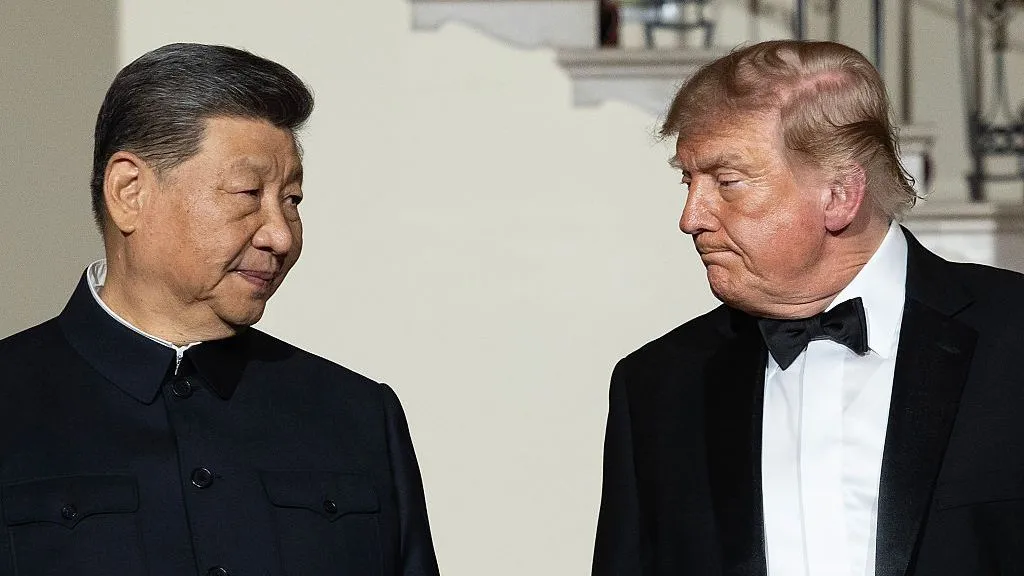
The meeting between US President Donald Trump and Chinese President Xi Jinping produced several limited agreements, but left some of the most difficult issues between the two countries unsettled.
The two leaders met in Washington last week as the world’s two largest economies sought to ease tensions over trade, technology and security. Yet neither government issued a joint statement, instead releasing separate accounts of the talks.
That gap has drawn attention to what was not announced as much as what was.
AI Talks and a New Communication Channel
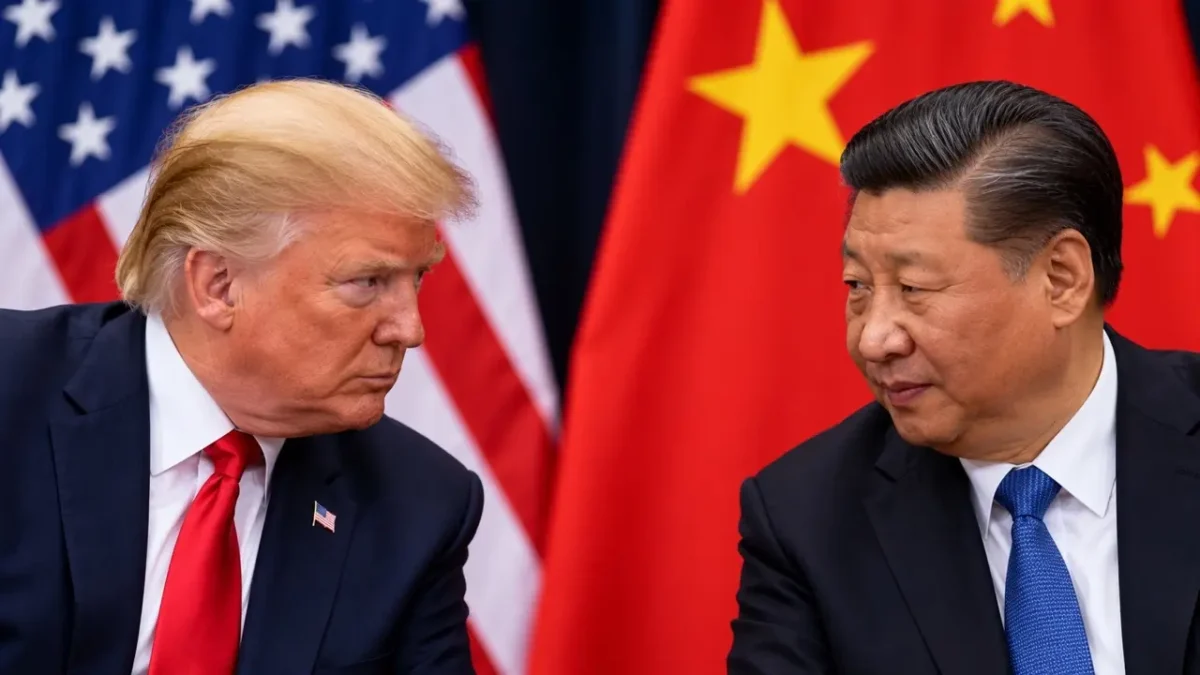
Washington and Beijing agreed to create a new dialogue on artificial intelligence, with officials expected to meet again in November.
They also agreed to establish a channel for communicating about AI-related incidents. The aim is to reduce the risk that an accident or misunderstanding involving the rapidly developing technology could escalate into a wider dispute.
US Treasury Secretary Scott Bessent had previously said the two countries were working towards an arrangement for communicating about AI safety incidents.
Trade Truce Extended
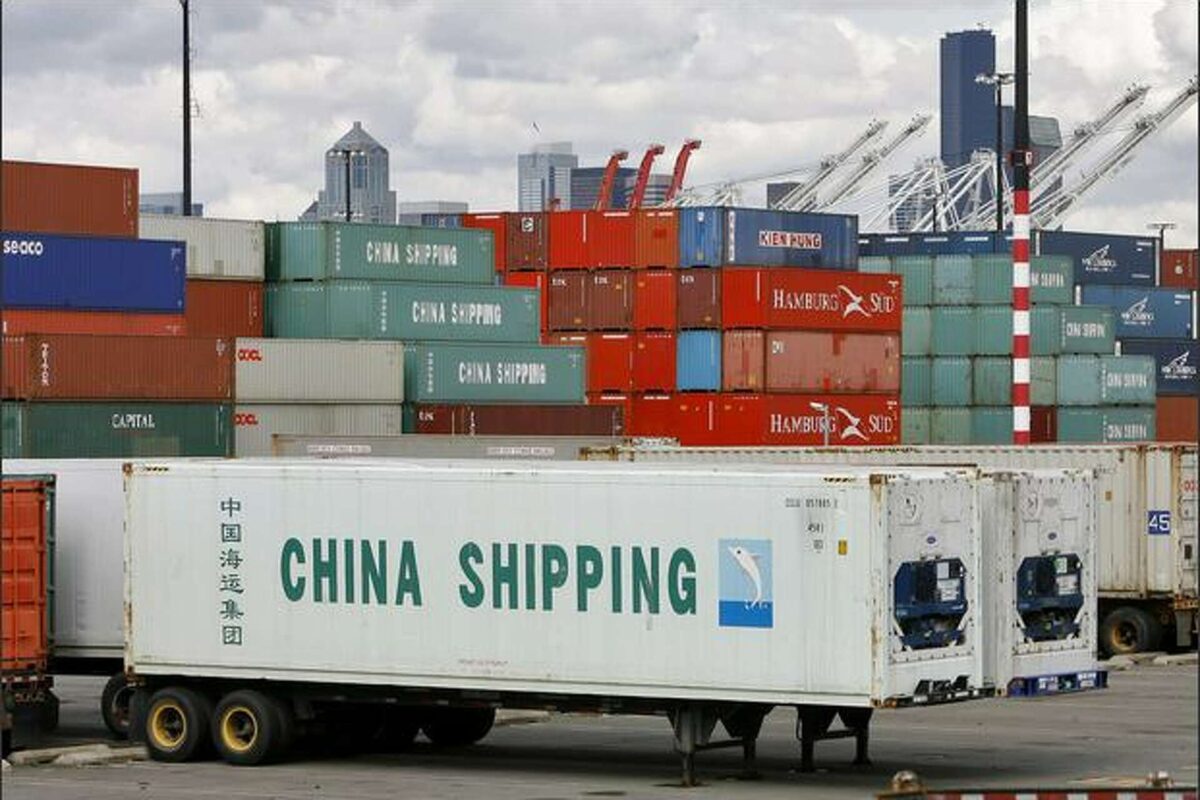
The two sides also extended their trade truce until January 10, 2027, giving negotiators more time to work towards a broader agreement.
The countries agreed to reduce tariffs on about $60 billion worth of goods, with each side identifying roughly $30 billion in trade for more favourable treatment. The products include American agricultural goods and Chinese household items and toys.
But major disagreements remain.
There was no reported breakthrough on China’s exports of rare earth minerals or US restrictions on advanced semiconductors. Those issues remain central to the broader economic rivalry between Washington and Beijing.
Taiwan Remains Sensitive
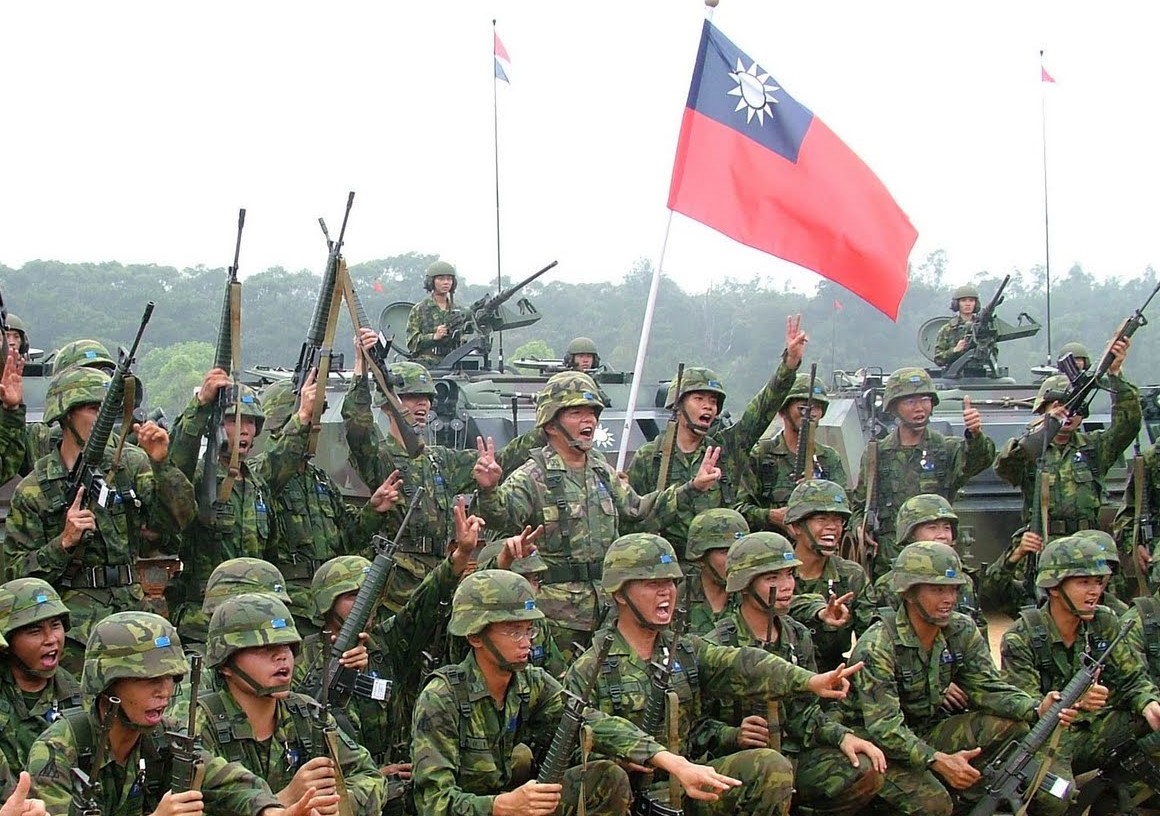
Taiwan was another major issue where little appeared to change publicly.
Chinese officials said Xi urged Trump to oppose Taiwan independence and approach the issue cautiously. Beijing regards Taiwan as part of China and has repeatedly objected to US arms sales to the island.
The White House account did not highlight Taiwan. Trump later said the issue was not discussed extensively.
US policy towards Taiwan remains unchanged: Washington does not recognise Taiwan as an independent state but maintains close unofficial ties and provides weapons for its self-defence.
A proposed US arms package for Taiwan has also remained on hold, adding to uncertainty over how the issue was handled during the summit.
China Signals Wider Investment Access
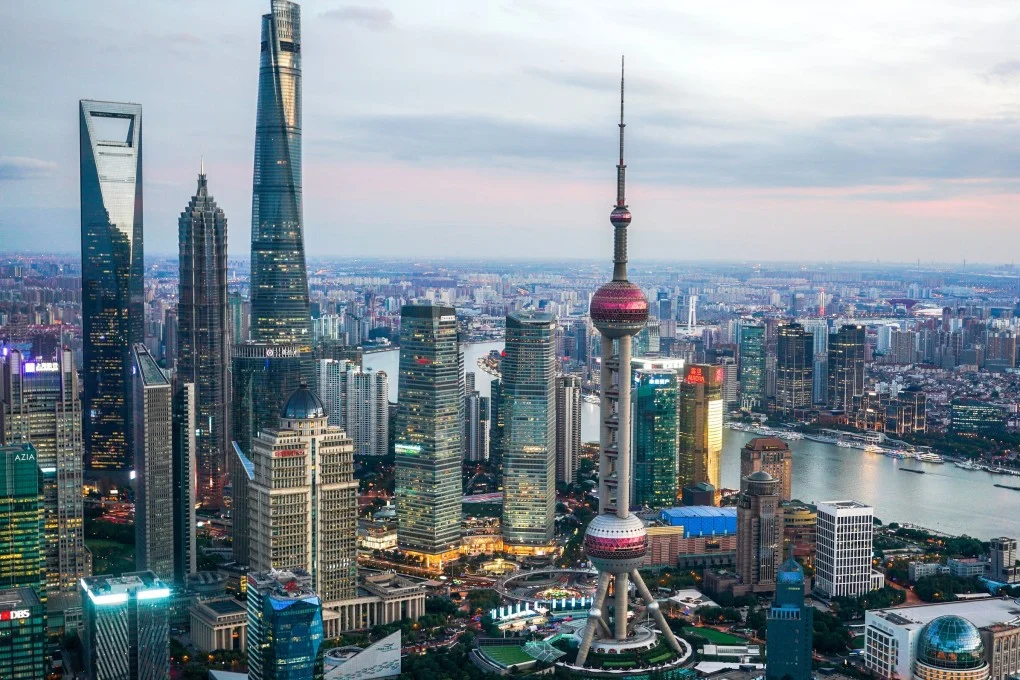
Beijing also said foreign financial companies, including American-backed banks, insurers and investment firms, would have opportunities to seek greater access to the Chinese market.
But approval will remain subject to Chinese laws and regulations.
That leaves open questions about how much access foreign companies will actually gain. US and other foreign businesses have long raised concerns about regulatory barriers and restrictions on operating in China.
The two governments are also discussing increasing flights between the countries, although no detailed plan has been announced.
More Dialogue, Few Major Breakthroughs
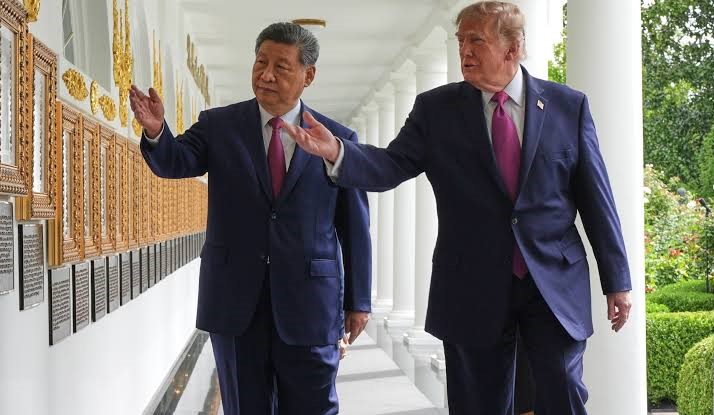
The summit appears to have produced a period of calmer relations rather than a comprehensive settlement.
The trade truce has been extended, tariffs have been adjusted and new channels for discussing AI have been created. But disputes over technology, Taiwan and strategic resources remain.
The meeting points the most significant part of the Trump-Xi meeting may be what both governments chose not to settle.
About the Author