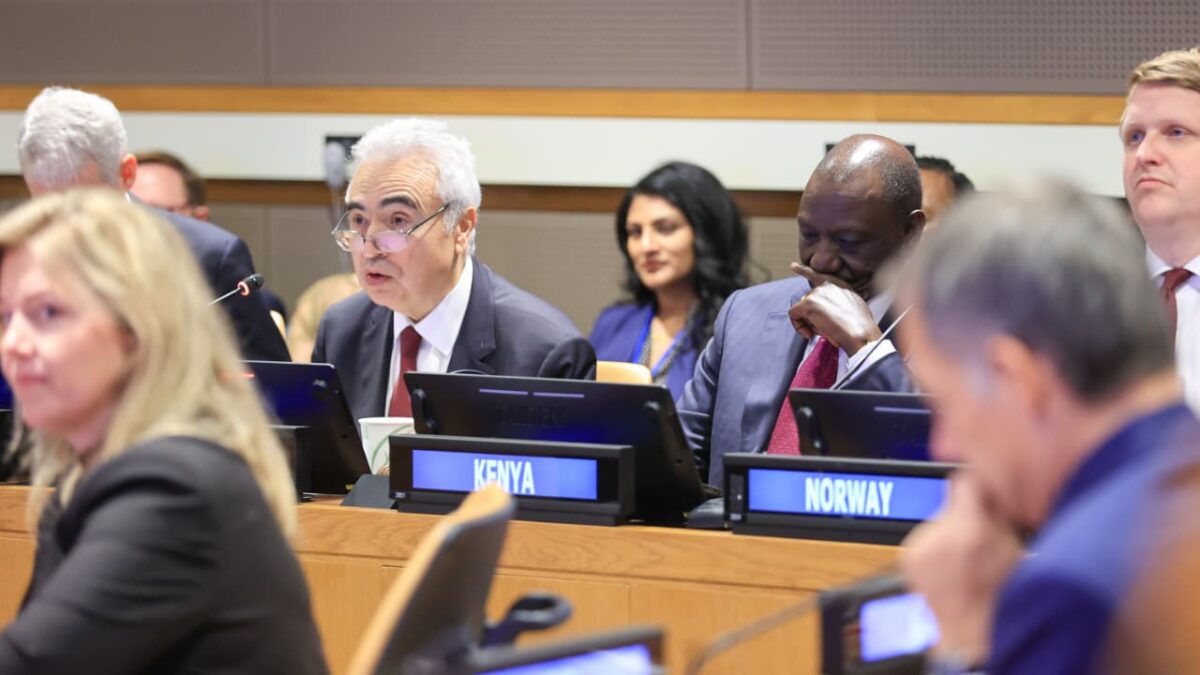
President William Ruto has called for stronger safeguards to protect children from emerging risks associated with artificial intelligence, while warning against excluding young people from technology that is increasingly shaping education, creativity and access to opportunities.
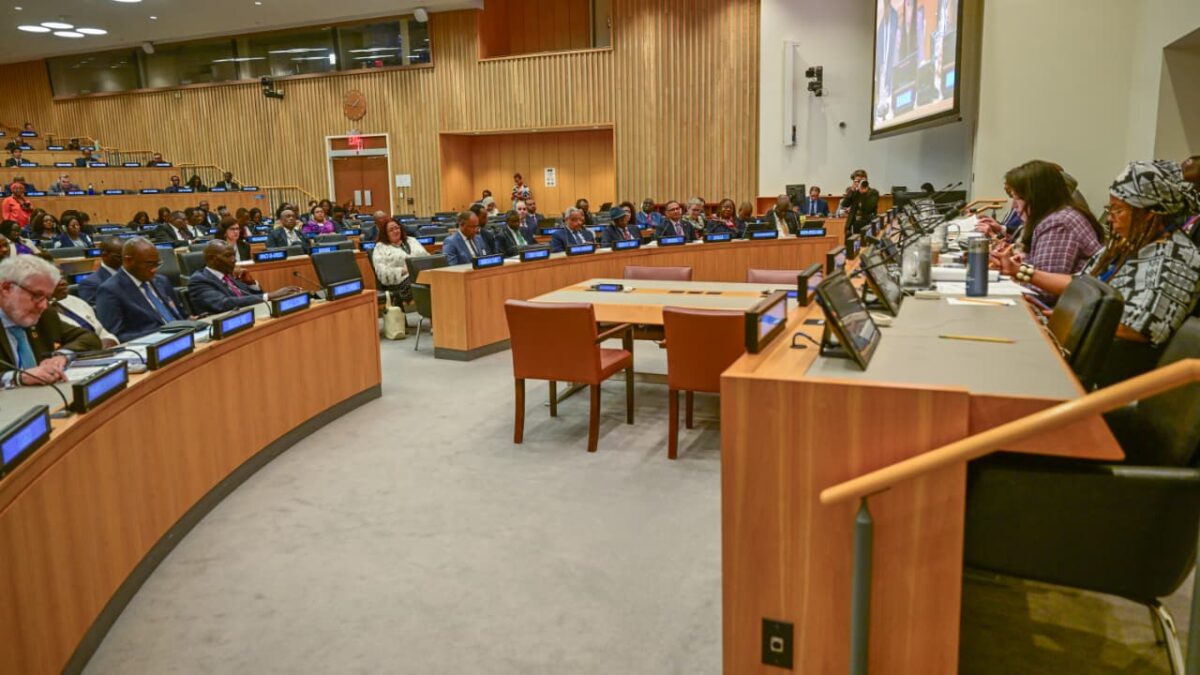
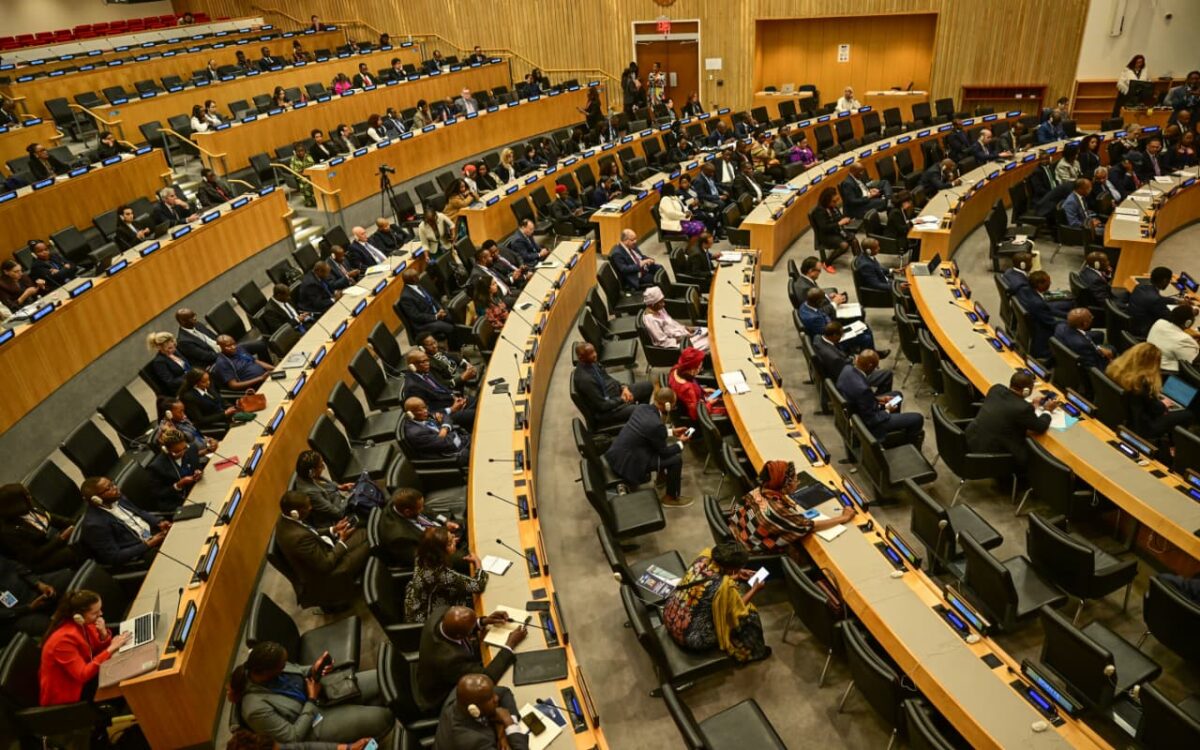
Speaking at a high-level meeting on the Coalition for Children’s Rights and Protection in the Age of AI at the United Nations headquarters in New York on September 22, 2026, Ruto said children should be able to benefit from technology without having to choose between connectivity and safety.
“We move from shared concern to practical action, guided by one clear conviction: no child should have to choose between being connected and being safe,” Ruto said.
Kenya is a founding member of the Coalition, alongside France and Spain, with Australia later joining as a co-chair. The coalition unveiled its 2026–2027 roadmap in New York, bringing together governments, UN agencies, civil society, technology companies, researchers and child-rights experts. The roadmap focuses on making AI safer for children through measures including safety by design, protection of children’s data, age assurance, stronger AI literacy and action against AI-enabled sexual abuse material and deepfakes.
Ruto said the voices of children must be central to decisions about technologies that affect their lives. He pointed to discussions held during the Africa Forward summit in Nairobi in May, where children expressed their desire to use technology to learn, create and participate while expecting governments and technology companies to provide appropriate safeguards.
The President argued that access to technology cannot be treated in the same way across all countries. Differences in internet connectivity, access to devices, language, digital literacy, parental support and institutional capacity mean that children face different opportunities and risks depending on where they live.
For developing countries, he said, technology can provide important pathways to education, healthcare, knowledge and economic opportunity. He therefore cautioned against responses to online risks that could unnecessarily exclude children from digital tools.
“Our answer, therefore, cannot be to deny children access. We must expand access and make technology safe by design,” he said.
The coalition’s roadmap comes as governments and international organisations examine how existing child-protection principles should apply to AI systems. The UN Human Rights Office said a survey of more than 1,000 children across 49 countries found concerns including the creation of fake images, misuse of personal data and the possibility of AI affecting children’s relationships and creativity. Children also said they wanted their views considered before decisions about AI affecting them are made.
Ruto said Kenya is developing its own safeguards through the Children Act, child-protection policies and the Kenya National AI Strategy 2025–2030. The Ministry of Information, Communications and the Digital Economy lists the strategy as an official national policy document, alongside its implementation roadmap.
He also said Kenya is developing an Artificial Intelligence and Emerging Technologies Policy, with child online safety expected to form part of the country’s approach to responsible AI. Ruto called for a national dialogue bringing together children, parents, educators, communities, researchers, technology companies and government.
The President further highlighted several priorities for the international coalition, including stronger protection of children’s personal data, effective age-assurance systems, improved AI literacy and better evidence on how children are using AI.
He said Kenya would continue advancing the agenda through its national dialogue and upcoming international technology gatherings, including the Trust Summit in October and the Internet Governance Forum in December.
Ruto concluded by calling for a digital environment that allows children to learn, create and participate while protecting them from harms they cannot reasonably be expected to manage on their own.
“Safety cannot be an afterthought. It must be designed in from the beginning,” he said.
About the Author