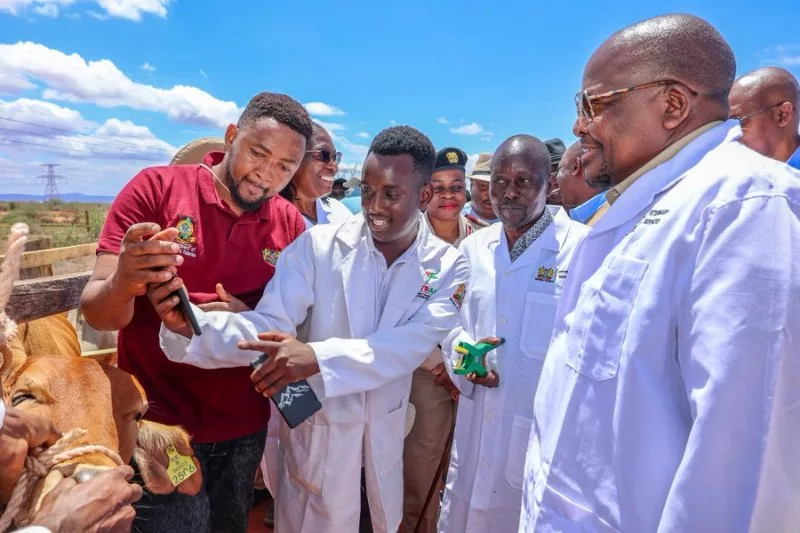
Kenya is positioning a livestock quarantine centre in Taita-Taveta as a gateway to international markets, with government officials citing a potential Sh30 billion trade opportunity linked to the facility.
The Bachuma National Livestock Quarantine Centre is being prepared for commercial operations as the government seeks to expand livestock exports, improve animal traceability and connect farmers with larger markets.
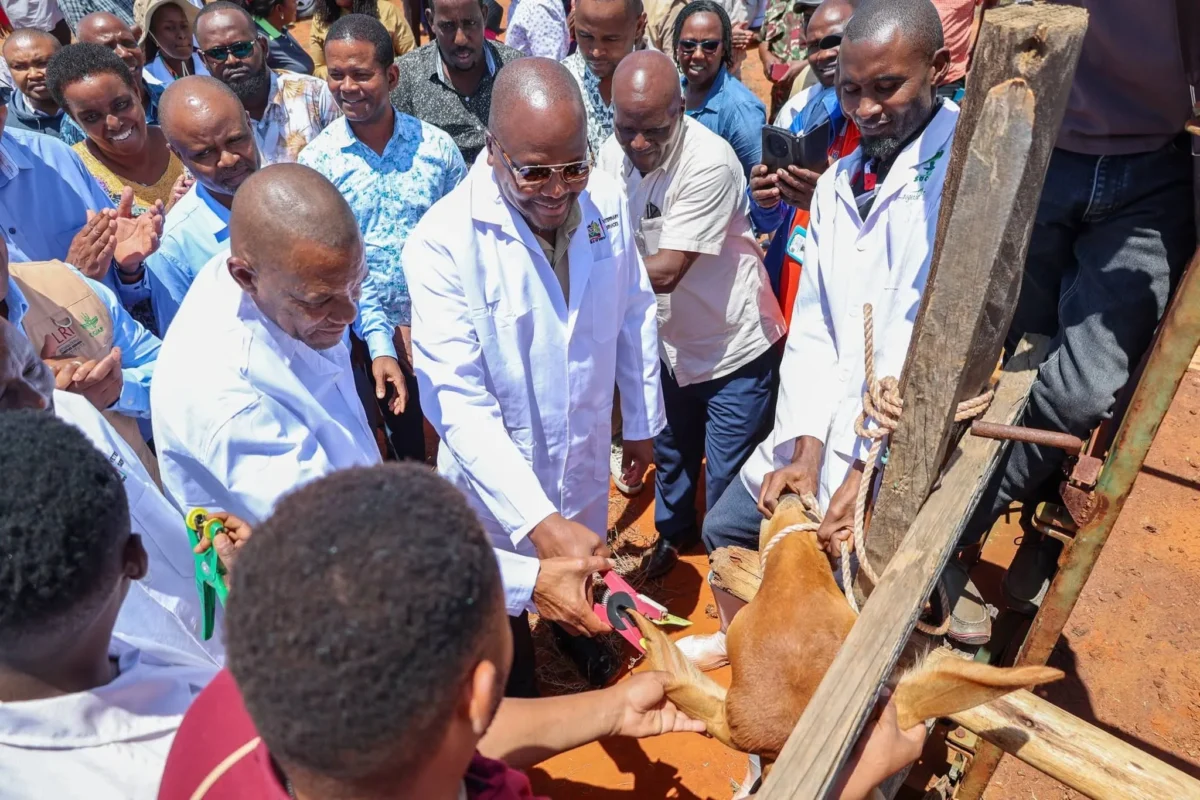
Agriculture and Livestock Development Cabinet Secretary Mutahi Kagwe said the centre should create economic opportunities for farmers and communities, rather than simply serve as a government facility.
“The project is not about putting up a facility for its own sake, but about creating jobs, opening markets and putting more money in the hands of livestock farmers and the local community,” Kagwe said.
The facility is in Maungu, Taita-Taveta County, and is intended to provide a controlled environment where livestock can be held, inspected and certified before export.
A Ministry of Agriculture and Livestock Development tender issued in February 2026 sought a private operator to lease, operate, manage and develop the centre. The operator is expected to complete outstanding works and run quarantine operations under the supervision of the Directorate of Veterinary Services.
Potential market worth billions
Principal Secretary for Livestock Development Jonathan Mueke said the centre could help Kenya respond to growing demand for livestock from international buyers.
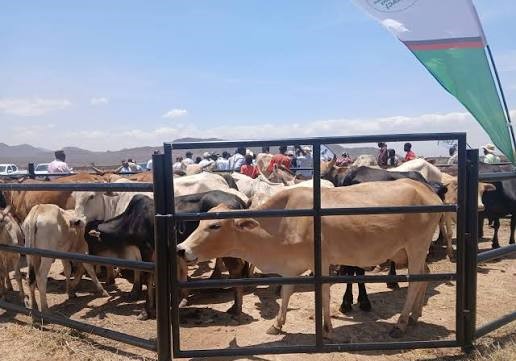
Mueke cited an offtake arrangement that could create demand for as many as 100,000 cattle annually.
He also referred to an order for goats and sheep from South Africa estimated at about Sh2 billion.
Officials placed the wider potential value of market opportunities linked to the centre at about Sh30 billion.
The figure, however, represents potential market opportunities cited by government officials. It should not be interpreted as guaranteed revenue or earnings from the facility.
The centre’s main role will be to help livestock destined for export meet animal-health and food-safety requirements.
Its operator will also be required to maintain animal identification, traceability and records while complying with international sanitary and phytosanitary requirements.
A long-awaited facility
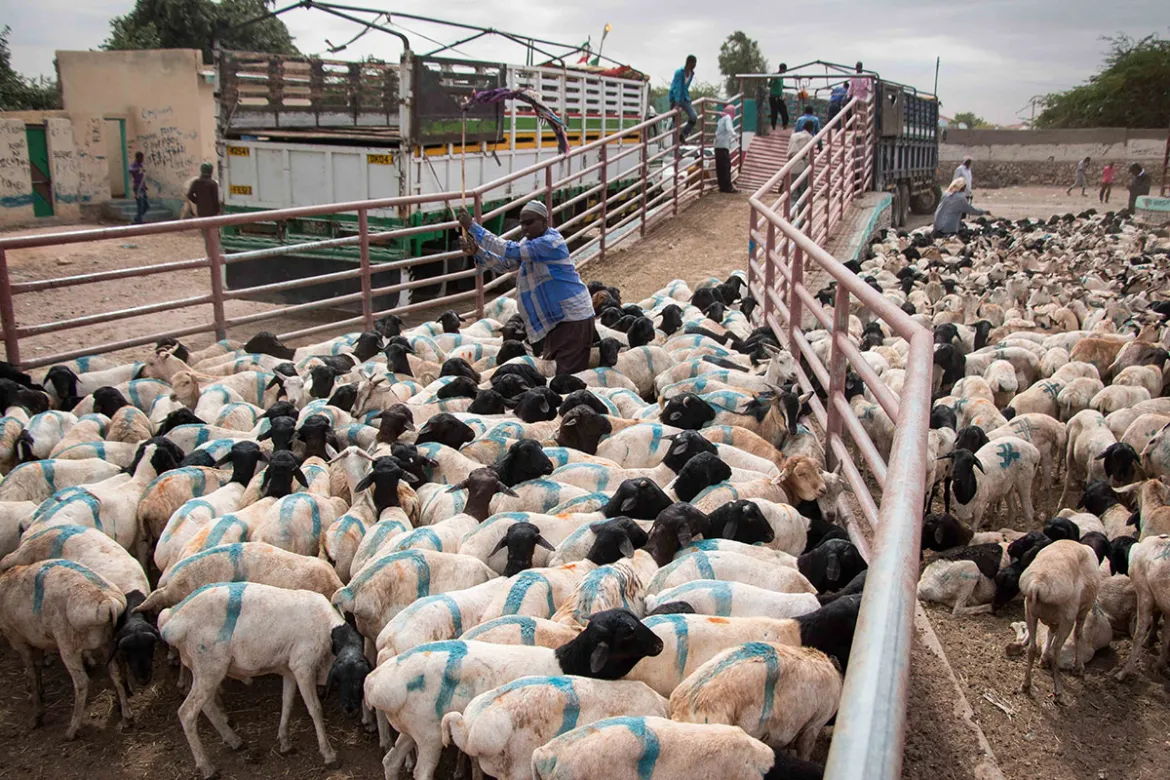
The government has been working for years to operationalize Bachuma.
The facility was developed as a national quarantine station to support Kenya’s livestock export industry. Earlier plans provided for facilities to handle cattle, sheep, goats and camels, alongside veterinary and other support infrastructure.
The latest plan gives a private operator a larger role in completing and managing the facility.
Under the February 2026 tender, the operator is expected to provide the equipment, management and systems required for daily operations while working under government veterinary oversight.
The arrangement follows earlier efforts to lease the facility and bring it into commercial use.
The government hopes the centre will help move livestock trading away from fragmented local markets towards a more organised supply chain serving domestic, regional and international buyers.
Traceability key to exports
Another part of the strategy is the Animal Identification and Traceability system, known as ANITRAC.
The system gives animals a digital identity and is designed to record their movement through the livestock supply chain.
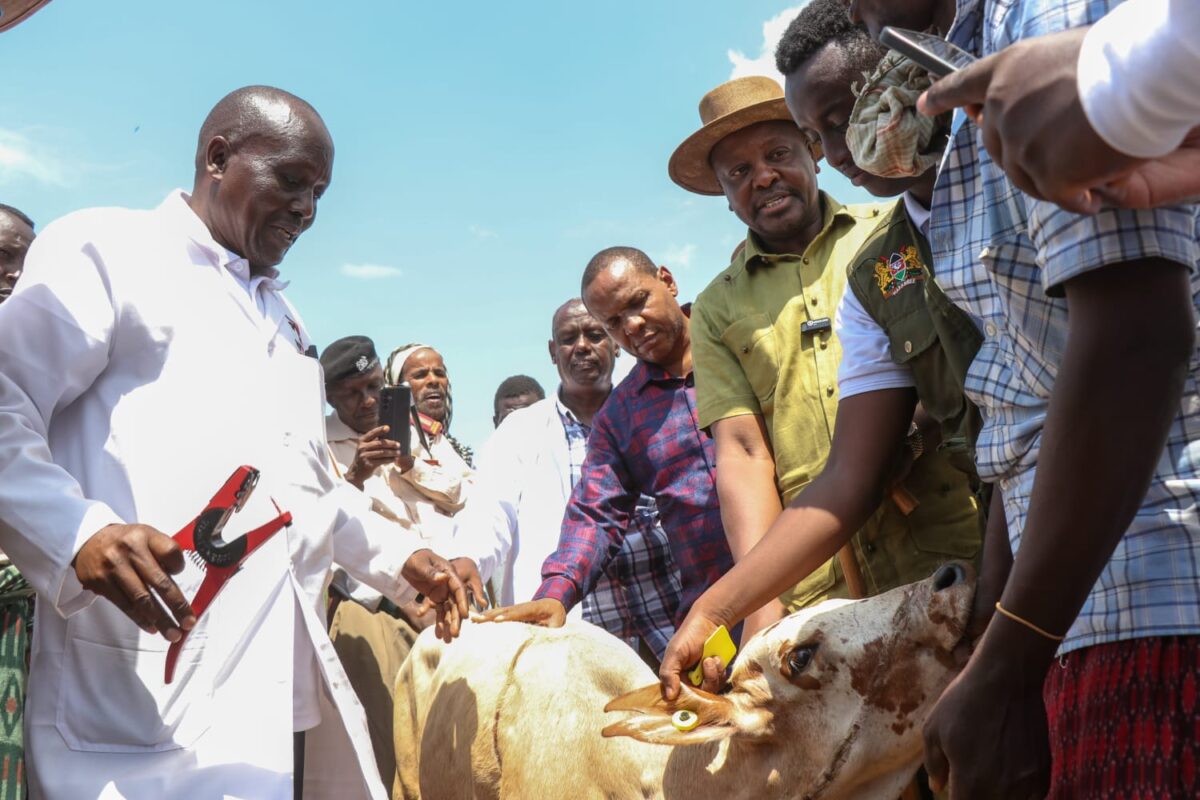
For exporters, such records can help establish where animals originated and track their movement before they reach the market.
The government also says the system will strengthen disease surveillance and help combat livestock theft.
Traceability is a specific requirement under the Bachuma operating plan, making the system an important link between farmers, quarantine officials and international buyers.
The government is also proposing a County Livestock Investment Company model covering 23 Arid and Semi-Arid Land counties.
Under the proposed arrangement, each county would target 15,000 livestock farmers. Each farmer would take a Sh10,000 share, with the government contributing Sh7,000 and the farmer Sh3,000.
The proposed model would generate Sh150 million in share capital for each county and Sh3.45 billion across the 23 counties.
The idea is to give farmers a more organised way to pool livestock, negotiate with buyers and participate in larger commercial markets.
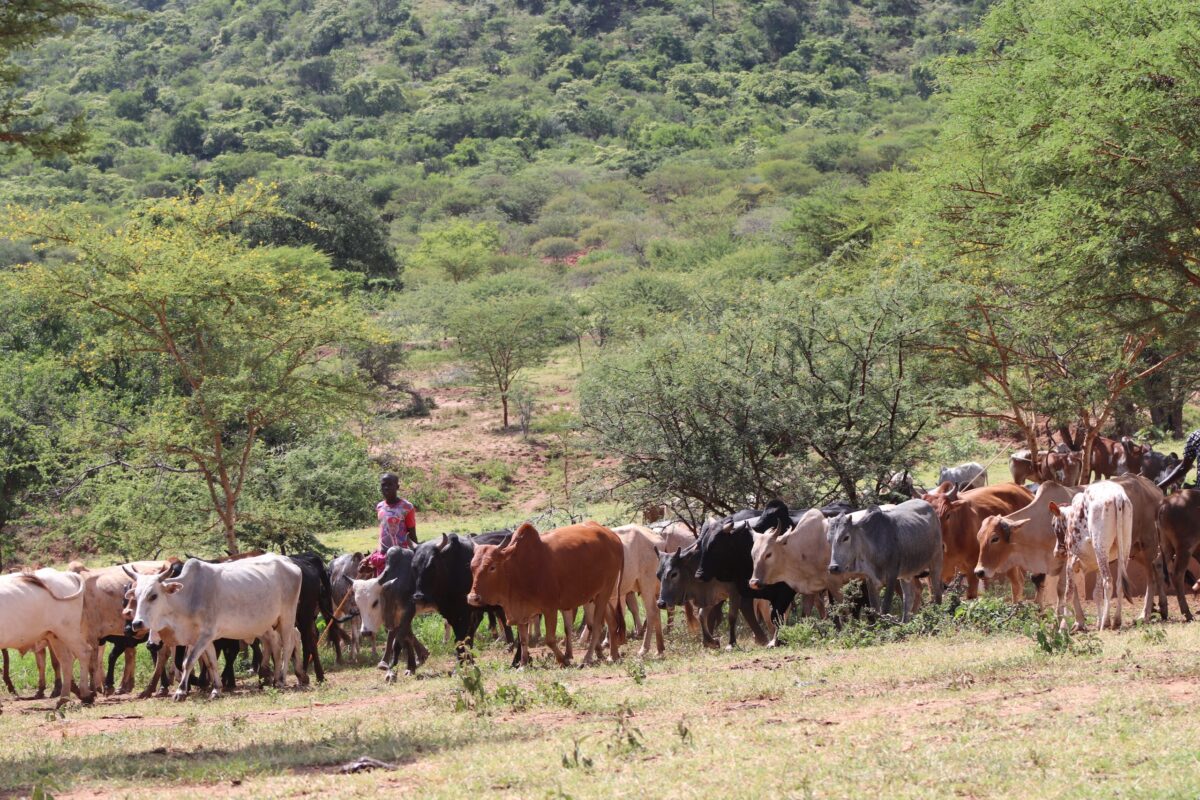
Kagwe also said the national and county governments would work with ranchers in Taita-Taveta to identify sites for water pans and other water infrastructure.
The investment is intended to support livestock production and maintain a reliable supply of animals for commercial markets.
What Bachuma could mean for Taita-Taveta
If the centre reaches full operation, its economic impact could extend beyond the quarantine facility.
Transporters, livestock aggregators, veterinary service providers and other businesses could benefit from increased trade.
For farmers, the intended shift is from selling animals mainly through fragmented markets to participating in an organised supply chain linked to larger buyers.
But turning the projected opportunity into actual exports will depend on several factors, including reliable livestock supplies, compliance with importing countries’ health requirements and the availability of confirmed buyers.
Bachuma is therefore being positioned as more than a quarantine station. The government sees it as part of a wider effort to build a livestock export chain connecting Kenyan farmers with regional and international markets.
The immediate test will be whether the facility can move from years of planning and construction into sustained commercial operations and whether the projected market opportunities translate into actual sales and higher returns for farmers.
About the Author