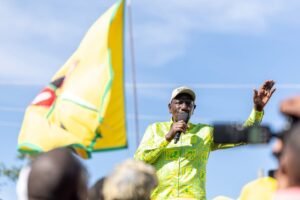

President William Ruto has called on African countries to push for the implementation of climate commitments made at COP30, saying the continent must turn climate action into investment, jobs, stronger economies and greater resilience.
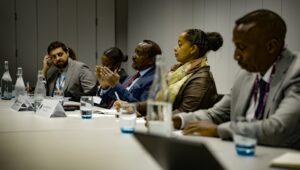
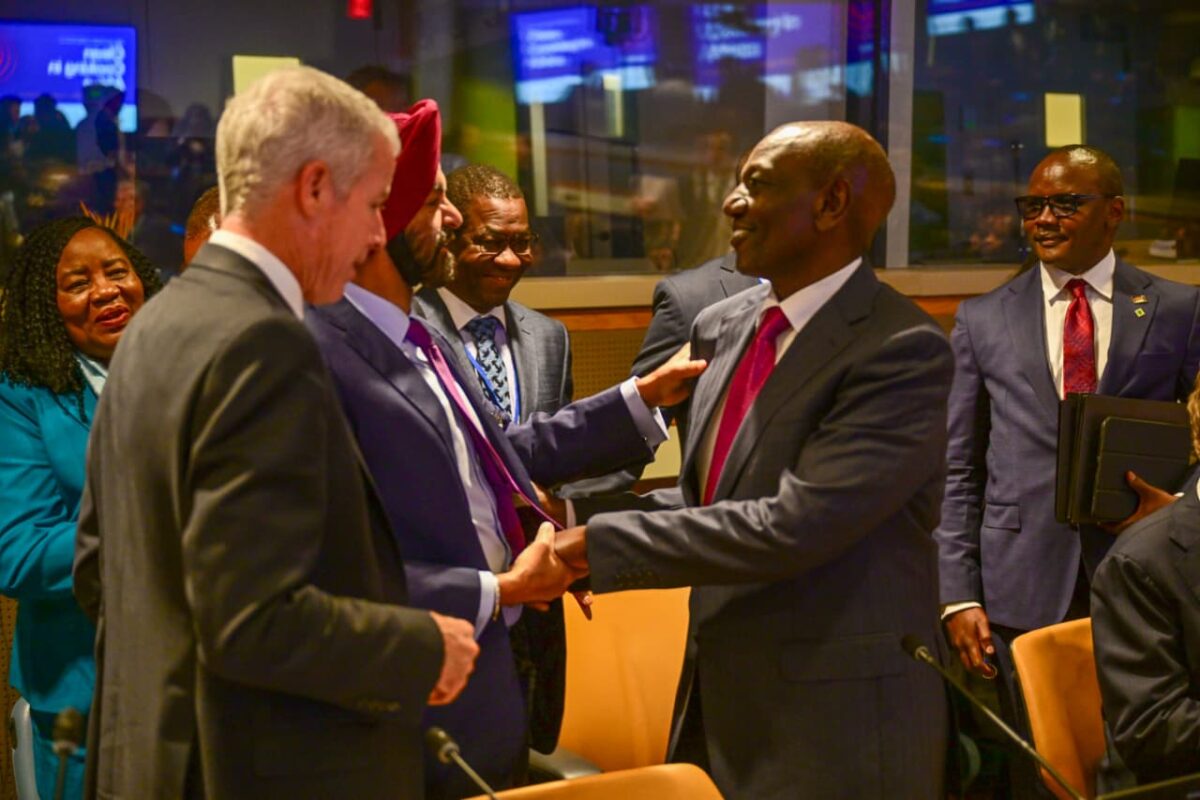
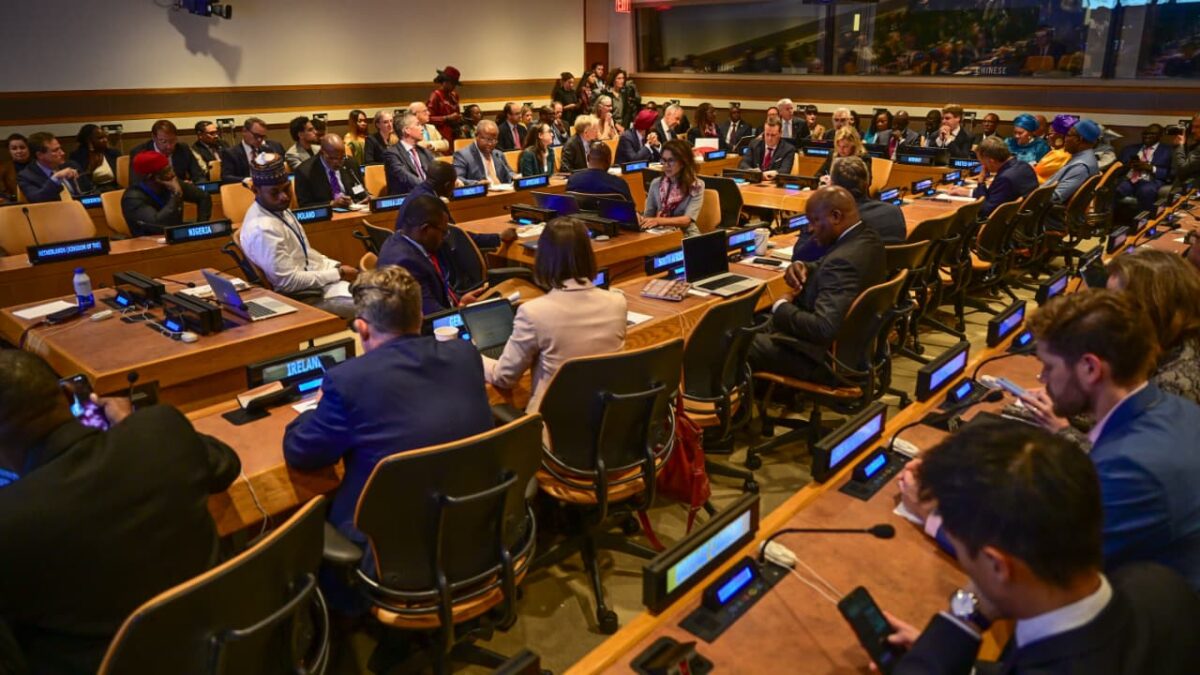
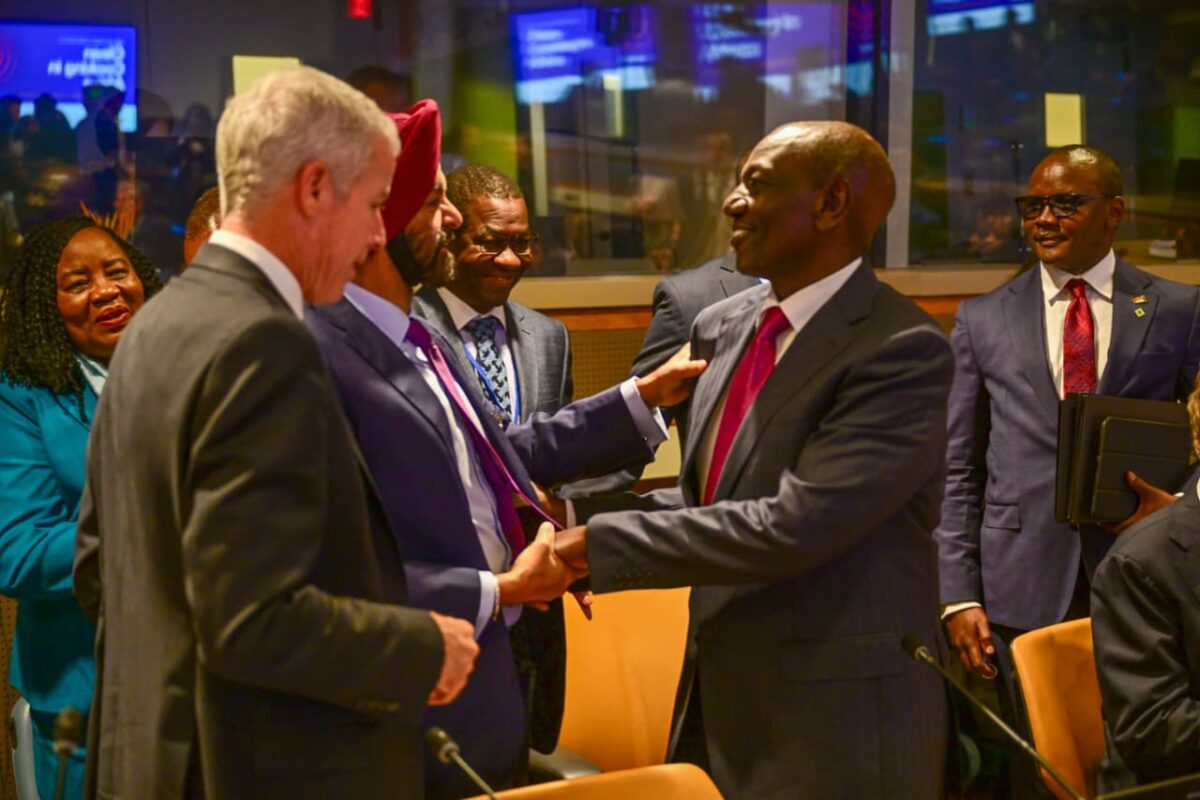
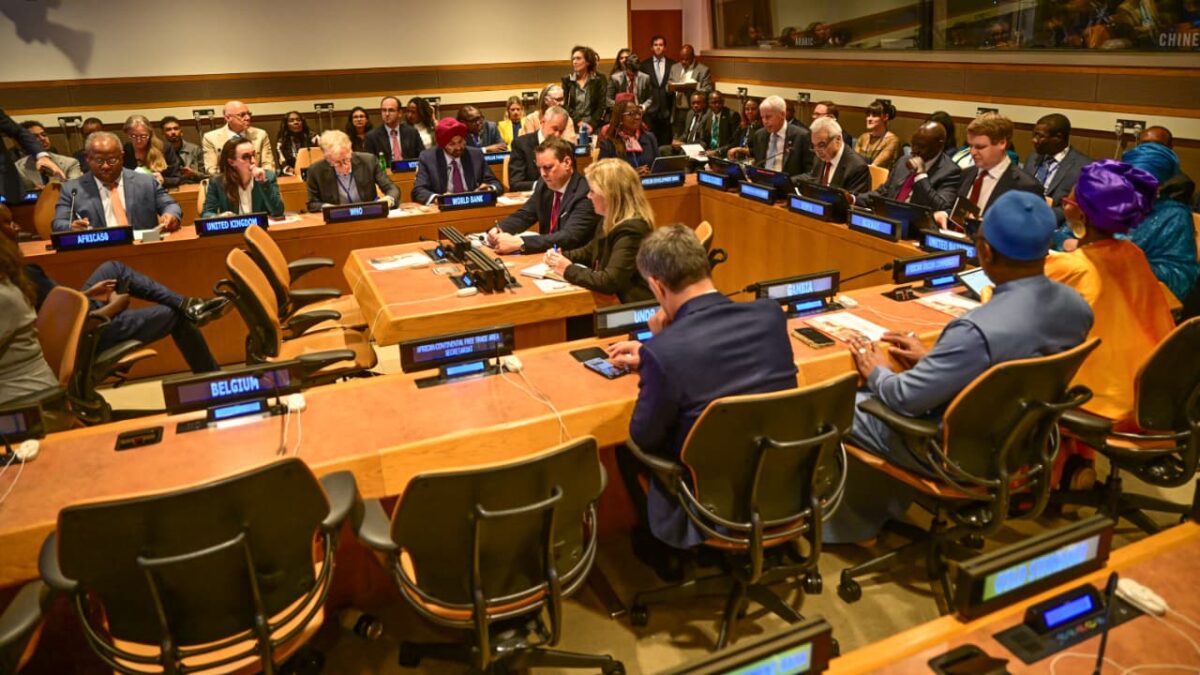
Speaking in New York on September 22, 2026, Ruto chaired a meeting of the Committee of African Heads of State and Government on Climate Change (CAHOSCC), where African leaders worked towards a common position ahead of COP31 in Antalya, Türkiye, while also laying the groundwork for COP32 in Addis Ababa, Ethiopia, in 2027.
Ruto said Africa should approach climate action not only as an environmental obligation but also as an opportunity for economic transformation, particularly through green industrialisation, renewable energy and climate-resilient infrastructure.
“Africa must therefore pursue practical pathways that strengthen our economies while advancing climate action,” he said.
The President’s message comes as African countries seek to translate the outcomes of COP30, held in Belém, Brazil, in November 2025, into concrete implementation. At COP30, countries agreed to work towards tripling adaptation finance by 2035, while the wider climate-finance package called for scaling finance for developing countries from public and private sources towards at least $1.3 trillion annually by 2035.
Ruto argued that the challenge now is delivery rather than additional promises.
“The world does not lack climate pledges. It lacks delivery. Temperatures are rising faster than promises are being fulfilled. Africa’s task is to help close that gap,” he said.
Climate finance was at the centre of the President’s intervention. He described financing as the biggest constraint facing climate action in Africa and called for stronger delivery of commitments under the UN climate framework and the Paris Agreement.
“Climate finance is not charity. It is an obligation under the Convention and the Paris Agreement,” Ruto said.
He highlighted the adaptation finance gap, which he put at between $200 billion and $400 billion annually, saying developing countries require significantly greater resources to protect communities and economies from climate impacts.
Ruto also pointed to the gap between adaptation-finance targets and resources mobilised so far. He said the Adaptation Fund had secured about $138 million against a $300 million target, arguing that commitments to increase adaptation finance must be accompanied by clear mechanisms for delivery.
The President’s call comes as African climate institutions and negotiators increasingly emphasise implementation and access to affordable finance. The African Union has identified adaptation finance, loss and damage, technology transfer, capacity building and just-transition arrangements among the continent’s priorities ahead of COP31.
Ruto said Africa has significant potential to benefit economically from the transition to a low-carbon economy, including through renewable energy, green industries and sustainable infrastructure. He called for climate action to support investment and job creation while strengthening the continent’s resilience to climate shocks.
The African Union has similarly linked climate action to economic development, noting that the continent has substantial renewable-energy resources, critical minerals and a young population that could support sustainable development if investment and financing constraints are addressed.
The New York meeting therefore sets the stage for Africa’s negotiations at COP31, scheduled for November 9–20, 2026, in Antalya, Türkiye. COP31’s agenda is expected to focus heavily on implementation, climate finance and translating existing commitments into investment and practical action.
The discussions will also feed into preparations for COP32, which Ethiopia is scheduled to host in 2027. African institutions have already begun positioning the Addis Ababa conference around implementation, adaptation, resilience and climate finance.
For Africa, the financial dimension is particularly significant. The continent faces substantial climate-adaptation needs while also seeking investment to expand clean energy, climate-resilient agriculture, sustainable infrastructure and green manufacturing.
Ruto said Africa should therefore maintain the vision contained in the Nairobi and Addis Ababa climate declarations by treating climate action as an investment opportunity capable of supporting economic growth, competitiveness and resilience.
The President later joined other leaders at a United Nations high-level meeting on children’s rights and protection in the age of artificial intelligence, where Kenya joined efforts to develop a roadmap for protecting children online. He said Kenya is strengthening online child protection through legislation, policies and its National AI Strategy while seeking to ensure children benefit from digital technologies.
The climate discussions, however, remain central to Africa’s preparations for the next phase of global climate negotiations, with the continent seeking to move from the commitments made in Belém to measurable financing, investment and implementation ahead of COP31.
About the Author