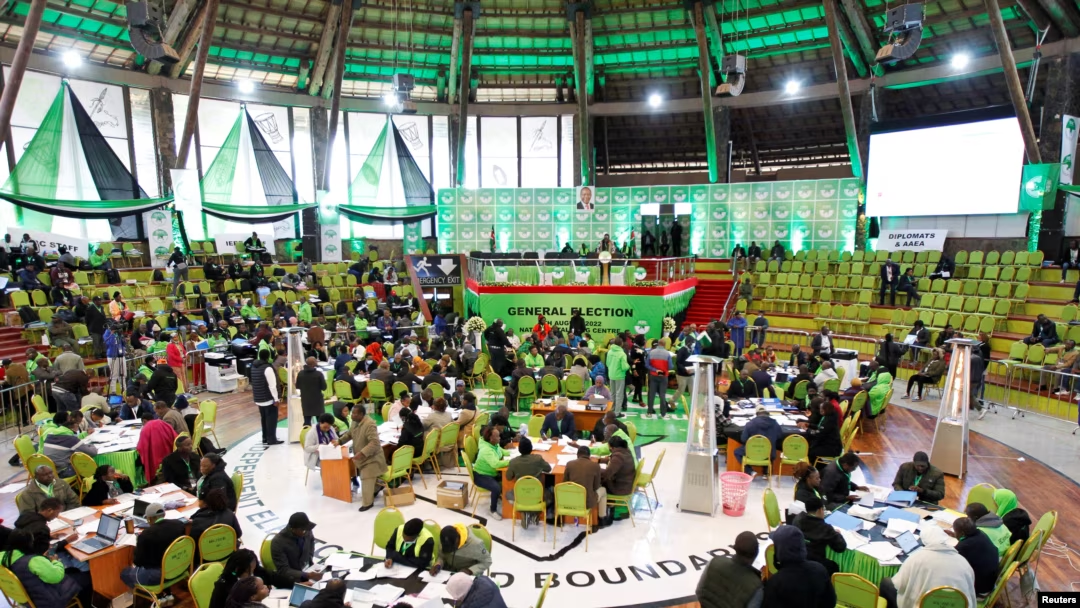
The High Court has upheld the Independent Electoral and Boundaries Commission’s authority to tally and verify presidential election results at the national level, rejecting a petition that sought to remove the process ahead of the 2027 general election.
Justice Gregory Mutai ruled on Tuesday that the national tallying and verification framework is constitutional. But he also drew a firm line around the commission’s powers.
The IEBC may aggregate and check the figures it receives from constituencies. It may not change results already declared and certified by constituency returning officers.
The ruling came in a case brought by Busia Senator Okiya Omtatah and other petitioners, who challenged provisions of the Elections Act and electoral regulations governing the national tallying process.
What the petitioners challenged

At the heart of the case was a question that has featured in Kenya’s electoral disputes for years: where does the final tally of a presidential vote take place?
The petitioners argued that the constituency should be the final point for tallying, verification and declaration of presidential results.
They challenged Section 39 of the Elections Act, which requires presidential results to be transmitted to the national tallying centre, where the IEBC is required to tally and verify them.
Omtatah and the other petitioners said this created an unnecessary second verification process after results had already been declared at constituency level.
They argued that the national tallying centre should instead collate the results from all 290 constituencies before the IEBC chairperson declares the presidential result.
Court draws a line around IEBC powers
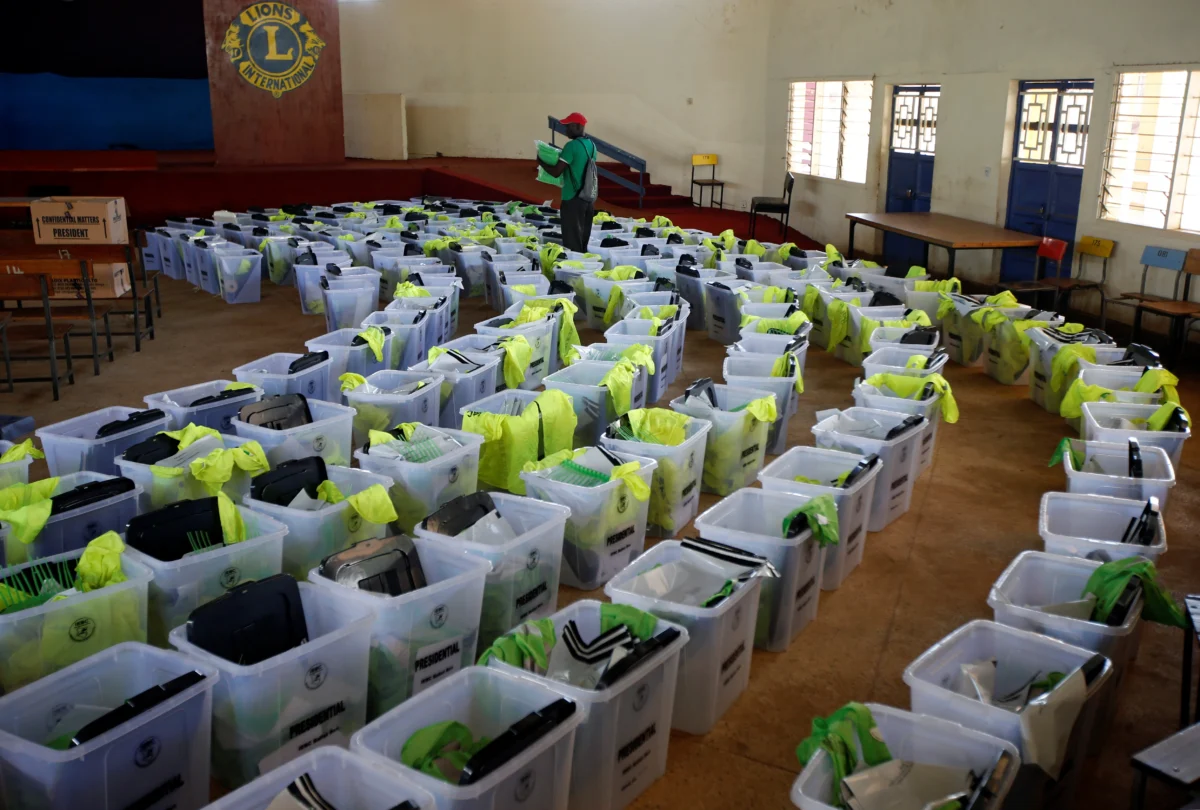
Justice Mutai rejected the challenge to the national process.
His ruling found that tallying and verification at the national level do not, by themselves, undermine the finality of constituency results.
The judge defined tallying as the arithmetic aggregation of constituency figures into county and national totals. Verification, he said, involves checking whether those totals correspond with figures certified at constituency level.
“The tally and verify function is accordingly not an unconstitutional intrusion upon the constituency finality,” the judge said, according to the ruling.
But the court made clear that verification is not a licence to rewrite constituency results.
The IEBC cannot add to, subtract from, cancel or otherwise revise figures certified by a constituency returning officer.
That distinction is consistent with earlier Kenyan court decisions holding that constituency-level presidential results are final and can only be challenged through an election petition.
Why the national tally still matters
The IEBC has defended the national tallying process as necessary for bringing together results from across the country and determining whether a presidential candidate has met the constitutional threshold.
Kenya’s Elections Act expressly requires the commission to transmit presidential results to the national tallying centre and to tally and verify the results received there.
The legal framework therefore gives the national centre a role, even as it limits what the commission can do with constituency results.
The distinction became particularly important after earlier court battles over presidential tallying. In the 2017 Maina Kiai case, the High Court held that results declared by constituency returning officers were final and could not be altered by the IEBC at the national tallying centre.
Later legal developments retained a national role for the IEBC in tallying and verification while maintaining the principle that constituency figures cannot simply be changed during the national process.
Court orders greater transparency for 2027
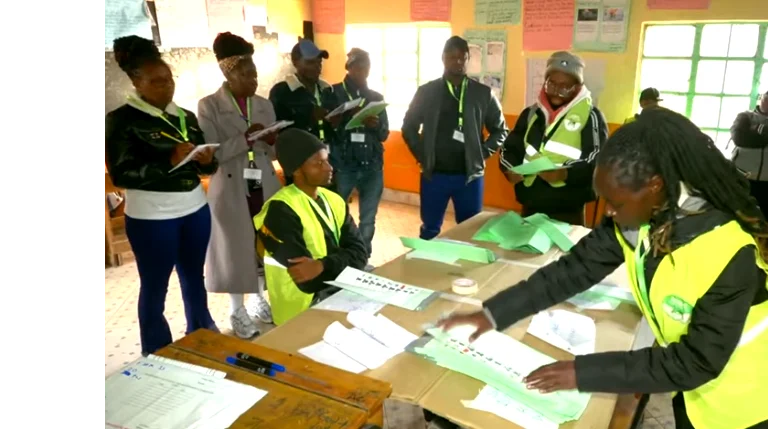
Justice Mutai also set out conditions for how the national verification process should be conducted.
The exercise should be undertaken collectively by the IEBC, with commissioners participating and having access to the underlying data.
Candidates’ agents and observers should also have real-time access to the information available to the commission during the process.
Where electronically transmitted results differ from physical records, the IEBC must document the discrepancy, explain how it was resolved and make the information public before the final presidential result is declared.
The ruling therefore leaves the national tallying centre in place for the 2027 election, while placing limits on the commission’s ability to intervene in figures already certified at constituency level.
For voters and candidates, the distinction is significant: the national centre can bring the numbers together and check them, but it cannot use that process to rewrite the vote recorded and certified in an individual constituency.
About the Author