
Nairobi Senator Edwin Sifuna has criticised President William Ruto’s decision to order Tata Chemicals Magadi to leave Kenya, warning that the move could unsettle investors and threaten the country’s economic prospects.
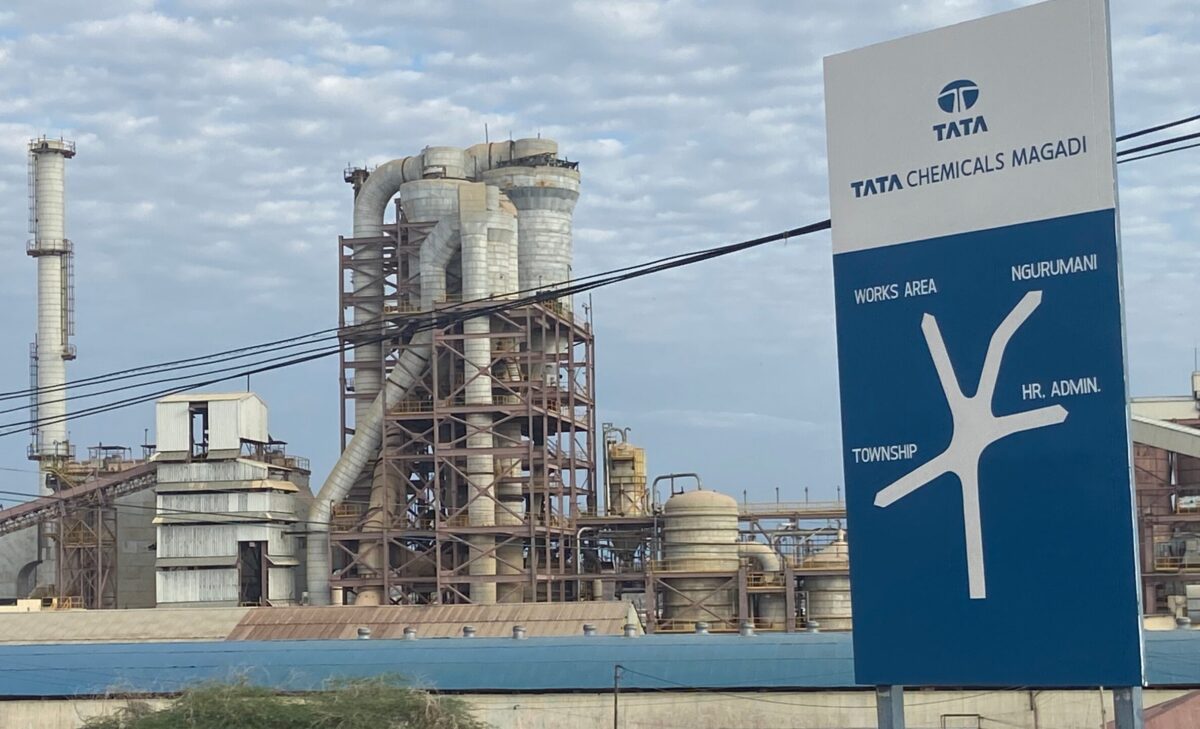
The dispute centres on the future of the company’s soda ash operations at Lake Magadi in Kajiado County. Ruto has accused Tata Chemicals of failing to deliver enough jobs, investment and local industrial development despite operating in the area for more than a century.
Sifuna, however, says disagreements between governments and companies should be handled through established legal and regulatory processes rather than presidential orders.
“When companies make decisions about where to put their investments, the dispute resolution regime in place is key because disputes arise all the time,” Sifuna said. He warned that a “pack and go” approach could hurt investment and, ultimately, job creation.
President Ruto says Kenya has not gained enough
The President announced the order during a visit to Kajiado on Thursday, September 3.
Ruto said Tata Chemicals had held a licence for about 100 years but had not done enough to develop industries or create employment for local residents.
He said the government would seek a new operator for the resource. The replacement company, he said, would be expected to establish glass and chemical manufacturing plants in Kenya.

The company’s operations were already suspended
The confrontation follows an earlier government decision to suspend Tata Chemicals Magadi’s mining operations.
Mining and Blue Economy Cabinet Secretary Hassan Joho ordered the suspension in July, citing unresolved compliance matters. These included royalty payments, export reporting, local employment and procurement, community development commitments, environmental compliance and plans for adding value to the mineral resource.
Tata Chemicals has produced natural soda ash at Lake Magadi since 1911. Its products are used in industries including glass manufacturing, detergents, chemicals and water treatment. The company has also exported more than 350,000 tonnes annually to international markets.
The dispute has also reached the courts. The High Court is due to consider a petition concerning the possible resumption of mining operations on November 18.
Sifuna makes investment rules the bigger issue
For Sifuna, the dispute goes beyond Tata Chemicals.
He argued that investors need confidence that commercial disagreements will be resolved through predictable institutions and the law. He said the opposition Linda Mwananchi movement would make adherence to the Constitution and the rule of law a central part of its political programme ahead of the 2027 election.
The government, meanwhile, has presented the dispute as a question of ensuring that Kenya and host communities receive greater value from the country’s natural resources.
The two positions leave a broader question hanging over Lake Magadi: how Kenya can attract investment while also ensuring that companies exploiting its resources deliver more jobs, local industries and benefits to surrounding communities.

About the Author