Kenya is looking to sharply increase agricultural production along the Coast, with the Government targeting five counties for a major expansion of crop and livestock farming.
Agriculture Cabinet Secretary Mutahi Kagwe said Lamu, Tana River, Kwale, Kilifi and Taita Taveta have the potential to become major food-producing areas if investment, irrigation, technology and market access improve.
Speaking at the ASK Mombasa International Show on Friday, Kagwe outlined the Government’s Coast Region Economic Revival Strategy. The plan is designed to connect farmers more directly to markets through what officials describe as a “Farm to Port” approach.
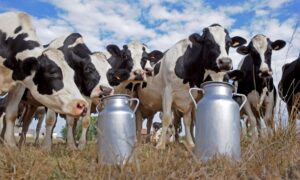
The Government is focusing on coconut, cashew nuts, cassava, cotton, milk and meat.
Kagwe said production of some of these commodities could triple or even quadruple if the necessary support reaches farmers.
From farms to markets
The strategy divides the region’s role between production and trade.
Kwale, Kilifi, Taita Taveta and Tana River are expected to concentrate on farming and processing agricultural goods locally. Mombasa and Lamu, meanwhile, will serve as key links to transport, logistics and wider markets.
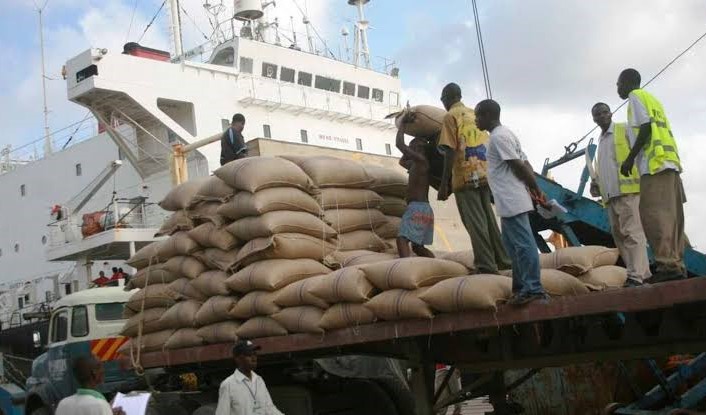
The aim is to give farmers access not only to consumers in Kenya, but also to buyers across East Africa and international markets.
The approach reflects a longstanding challenge for many farmers: producing crops is only part of the equation. Reliable transport, processing facilities, storage and access to buyers can determine whether increased production translates into higher incomes.
Kagwe called for closer cooperation between national and county governments, farmers, private investors and development partners.
Agriculture is largely a devolved function, making county governments important players in delivering the plan.
Coconut and cashew sectors in focus
Coconut farming is expected to be one of the main pillars of the programme.
More than 100,000 farming households along the Coast depend on the crop. In 2025, more than 100,000 tonnes of coconut nuts were processed, with an estimated value of KSh10.8 billion.
The Government wants farmers and processors to earn more by moving beyond the sale of raw coconuts.
Products such as coconut oil, milk, cream, flour and coconut water offer opportunities for greater value addition.
The cashew industry is also being targeted for revival. Government measures include subsidised seedlings, expanding acreage and improving productivity and processing.
The push comes against a difficult backdrop. Agriculture officials have previously pointed to ageing coconut and cashew trees and limited investment as some of the factors behind declining production along the Coast.

Technology enters the farming plan
The Government also wants technology to play a larger role in farming.
The Kenya Agricultural and Digital Information Centre, or KADIC, is being positioned as a central point for agricultural digital services and innovation.
Officials are considering wider use of farm machinery, drones, animal identification and traceability systems, as well as artificial intelligence.
The intention is to improve how farmers produce, monitor livestock and connect with markets.
But the scale of the Government’s ambition will depend on what happens beyond policy announcements. Farmers will need access to affordable equipment, reliable water, quality inputs and functioning markets if higher production targets are to be met.
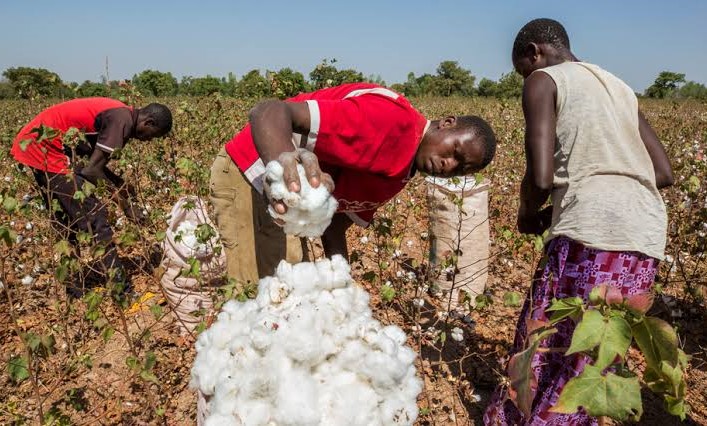
Cotton offers one example of recent growth. The area under cultivation increased from about 8,000 hectares in 2022 to 18,000 hectares in 2026, while production rose from 6,779 bales to about 15,000 bales over the same period.
A bigger economic bet for the Coast
The agricultural plan is part of a broader attempt to widen the Coast’s economic base.
The region is better known internationally for tourism and its Indian Ocean coastline. The Government now wants agriculture, agro-processing and trade to become bigger sources of jobs and income.
The Coast also has an important logistical advantage: access to the port and regional transport networks.
If the strategy works, officials hope farmers will sell more processed goods rather than raw commodities, while businesses invest in storage, manufacturing and distribution.
But the Government faces a number of practical hurdles, including climate pressures, ageing crops, limited investment and the need for stronger coordination between different levels of government.
For farmers, the measure of success will ultimately be straightforward: whether higher production leads to better prices, more reliable markets and higher household incomes.
The Government has now set the target. The harder task will be turning the Coast’s agricultural potential into sustained production on the ground.
About the Author