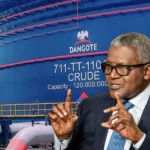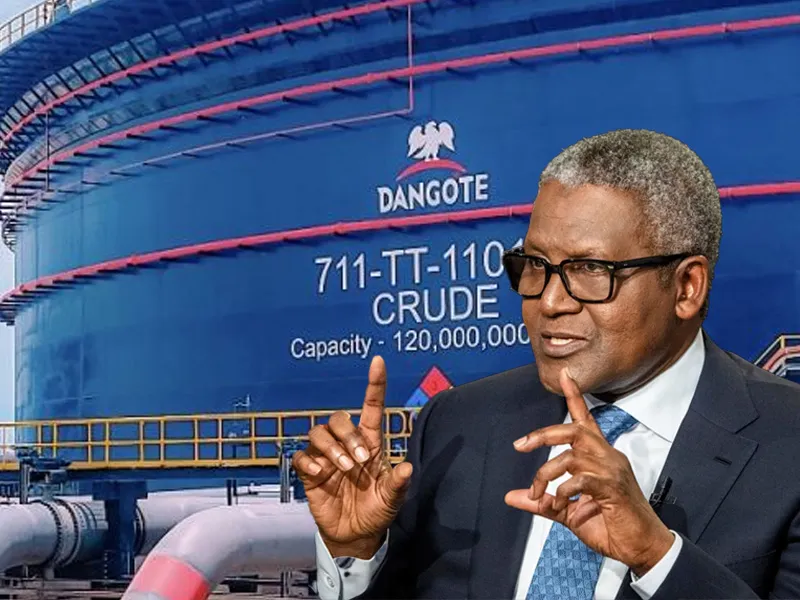
Nigerian industrialist Aliko Dangote has set September 30 as the date for the groundbreaking of his planned oil refinery in Lamu, Kenya, opening the next chapter of a project that could reshape the region’s fuel market.
Dangote announced the date while speaking to investors and analysts in Botswana.
“We are launching it on September 30,” he said.
The ceremony will mark the formal start of a project intended to expand Dangote Group’s refining business beyond Nigeria and supply petroleum products to Kenya and other East African markets.
The refinery is expected to take about three years to build, according to Dangote’s latest comments. It is planned as a major regional facility rather than one serving Kenya alone.
A new bet on East Africa’s fuel market
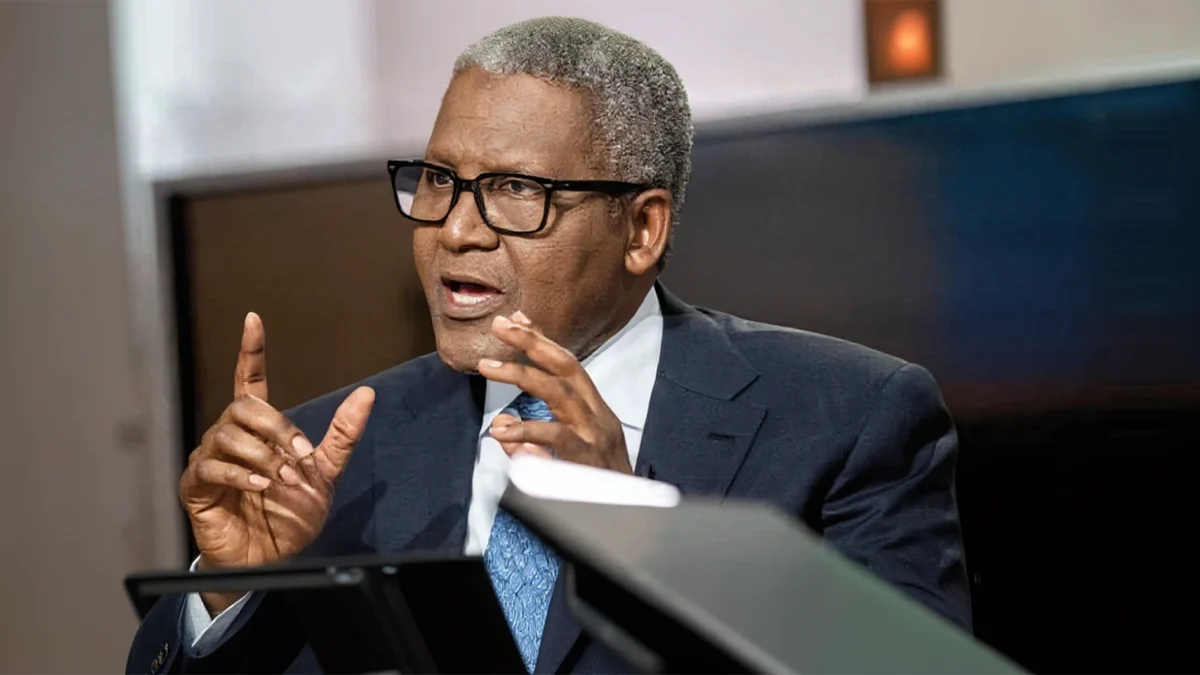
The Lamu project comes as Dangote pushes deeper into Africa’s energy sector.
His refinery in Lagos, Nigeria, reached its stated capacity of 650,000 barrels of crude oil a day in February. The company has also tested production at higher levels and plans to expand the Nigerian facility to 1.4 million barrels a day.
The proposed Kenyan refinery would become Dangote Group’s largest refining investment outside Nigeria.
For Kenya and its neighbours, the attraction is straightforward: a large refinery on the Indian Ocean could provide a closer source of refined fuel and reduce the region’s reliance on imported petroleum products.
But the project will also depend on reliable supplies of crude, transport links and enough regional demand to support a facility of its proposed scale.
Lamu positioned as regional energy hub
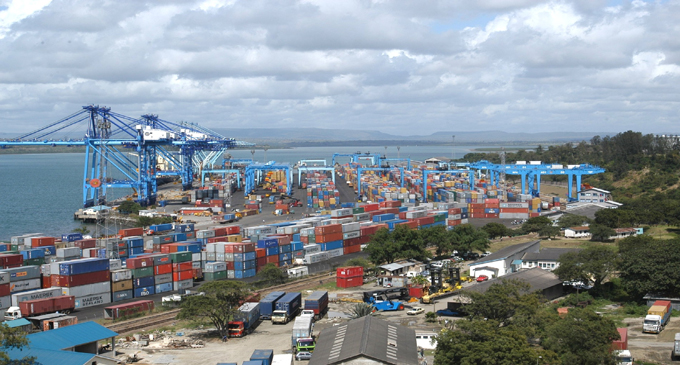
The choice of Lamu places the refinery alongside one of Kenya’s most ambitious infrastructure projects, the Lamu Port-South Sudan-Ethiopia Transport Corridor, commonly known as LAPSSET.
Kenya has been promoting Lamu as a future centre for trade, logistics and energy. The refinery could add a major industrial customer to the port and strengthen the government’s plans to develop the area as a regional commercial hub.
Regional governments have also shown interest in the project.
Dangote has offered East African countries a combined stake in the refinery. Kenya has been offered a 10 per cent share, while Rwanda has said it is interested in participating. President Paul Kagame said in August that discussions with Dangote were still at an early stage but that Rwanda would be happy to be part of the investment.
The wider regional participation could give the project a broader customer and investment base. It could also help connect the refinery to markets beyond Kenya.
Big opportunity, but questions remain
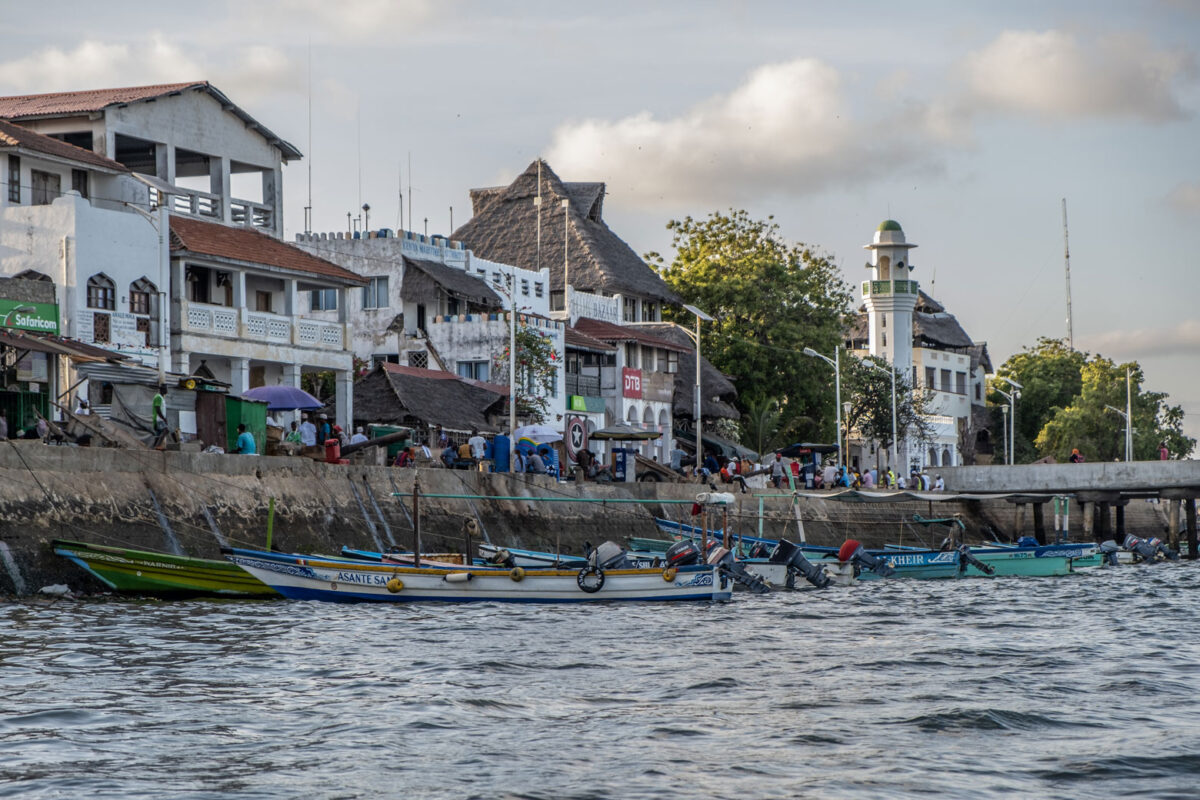
The refinery has been presented by Kenyan officials as a major investment that could generate jobs, expand trade and reduce East Africa’s dependence on imported fuel.
But the project also faces significant questions.
One is crude supply. Earlier reporting has pointed to potential supplies from Kenya, Uganda and South Sudan, but the infrastructure needed to move crude from some of those producers to Lamu is not yet fully in place. Analysts have warned that several agreements and transport links would need to come together for a refinery of this scale to operate smoothly.
There are also concerns within Lamu.
Residents and local leaders have called for greater transparency over the project, including clearer information about its environmental impact, land, livelihoods and the benefits expected to reach local communities. Community representatives have said they are not opposed to the investment but want a meaningful role in decisions affecting the area.
Dangote’s announcement nevertheless gives the project its clearest timetable yet.
If construction proceeds as planned, the September 30 ceremony will turn years of proposals and negotiations into a physical project on Kenya’s coast, one that could make Lamu an increasingly important part of East Africa’s energy trade.
About the Author