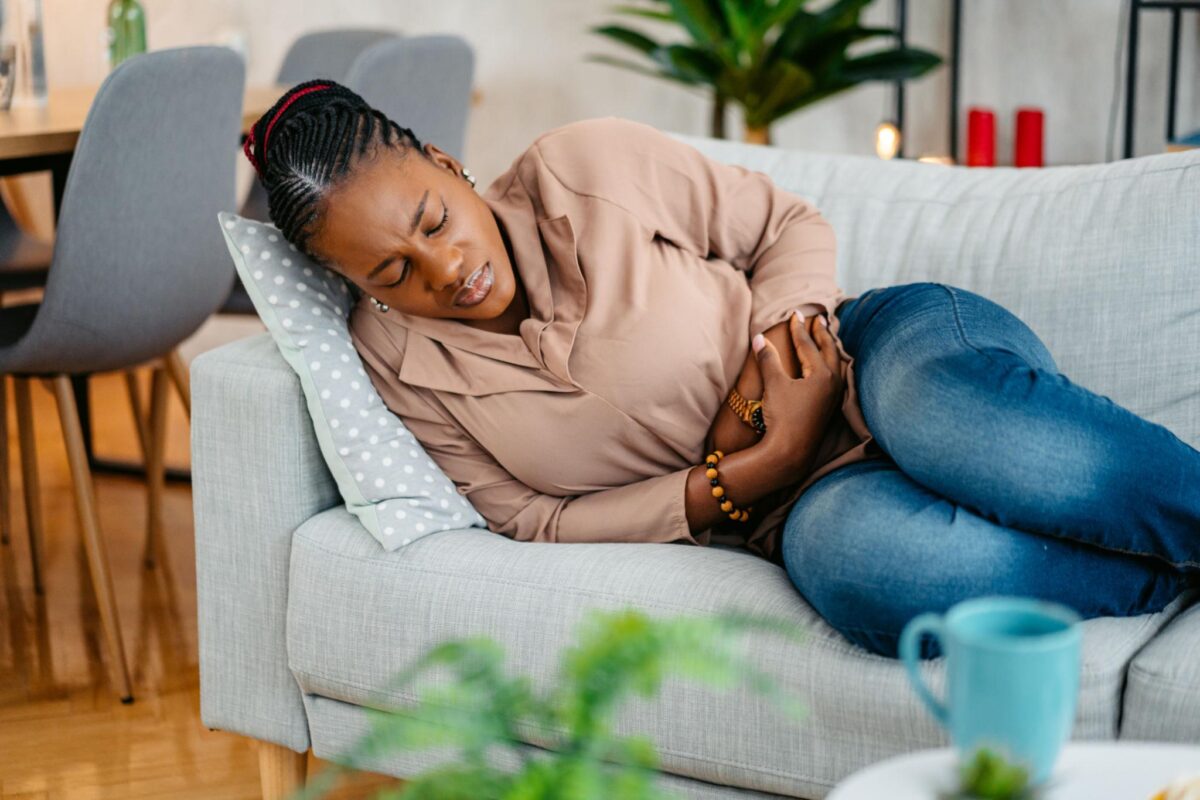
For many women, severe period pain is something they are told to endure.
Take a painkiller. Rest. Wait for the cycle to pass.
But for millions of women, the pain is not simply a difficult period. It can be a sign of endometriosis, a chronic condition that can affect daily life, relationships, work and fertility.
The World Health Organisation estimates that endometriosis affects about 10 per cent of women of reproductive age worldwide roughly 190 million people. Yet diagnosis and access to care remain a challenge in many countries.
What is endometriosis?
Endometriosis occurs when tissue similar to the lining of the womb grows outside it. It is most commonly found around the pelvis, including the ovaries and fallopian tubes, but it can occur elsewhere in the body.
The tissue responds to hormonal changes during the menstrual cycle. This can cause inflammation, pain and, in some cases, scar tissue.
For some women, the symptoms are manageable. For others, they can be debilitating.
The WHO lists severe menstrual pain, heavy bleeding, chronic pelvic pain, abdominal bloating and nausea among the possible symptoms. Endometriosis can also be associated with difficulty becoming pregnant.
But the experience is not the same for everyone.
Some women have few or no obvious symptoms. Others live with pain that affects almost every part of their routine.
When pain is dismissed
One of the difficulties surrounding endometriosis is that severe period pain can be normalised.
Women may be told that painful periods are simply part of being a woman. Others may spend years moving between doctors before receiving an explanation for their symptoms.
That delay is not unique to one country. The WHO says diagnosis and care for endometriosis remain delayed and inequitable globally.
In the UK, the problem has also drawn renewed attention. NHS data and health officials have highlighted long waits for diagnosis, while new non-invasive technologies are being explored as a way of identifying the condition earlier. In July 2026, Manchester University NHS Foundation Trust reported on two technologies being considered for use in NHS primary care to help speed up diagnosis.
The issue is not simply about getting a name for the condition.
A delayed diagnosis can mean years of untreated pain and uncertainty.
The symptoms can extend beyond periods
Endometriosis is often associated with painful periods, but the condition can affect women throughout the month.
Symptoms may include persistent pelvic pain, pain during sex, pain when passing urine or opening the bowels, heavy menstrual bleeding and problems with fertility.
For some, there may also be fatigue, bloating or nausea.
The severity of symptoms does not necessarily tell doctors how extensive the disease is. A woman with severe pain may not have extensive visible disease, while another woman may have significant endometriosis with relatively few symptoms.
That variation is one reason the condition can be difficult to recognise.
How is it treated?
There is no single treatment that works for everyone.
Doctors may recommend pain relief or hormonal medicines to control symptoms. Hormonal treatment can reduce the activity of endometriosis and ease pain, although it is not suitable for everyone, particularly women who are trying to become pregnant.
Surgery may be considered when symptoms are severe, when other treatments have not helped, or when endometriosis is affecting fertility.
Treatment decisions should take account of a woman’s symptoms, plans for pregnancy and personal preferences.
For those living with the condition, managing endometriosis is often about more than treating physical pain. It can also mean dealing with the emotional and social consequences of a condition that is not always visible to others.
A conversation that needs to continue
Endometriosis is not simply about painful periods.
It is a chronic condition that can shape how a woman works, studies, travels, maintains relationships and plans for the future.
For years, many women have had to explain pain that others could not see.
The growing attention around endometriosis is beginning to challenge that silence. But awareness alone is not enough. Earlier recognition, access to appropriate care and greater understanding of women’s pain are all part of closing the gap between experiencing symptoms and receiving help.
The message is simple: severe period pain should not automatically be dismissed as something women must learn to live with.
If pain regularly interferes with everyday life, seeking medical advice is important. A healthcare professional can assess the symptoms and determine whether further investigation or referral is needed.
For millions living with endometriosis, being heard can be the first step towards being helped.
About the Author