More than 2,000 people have died. The toll was reached in less than three months. The outbreak is spreading fast. It has now reached five provinces. Government figures show 4,381 cases. A total of 2,011 deaths was recorded.
The outbreak is being driven by Bundibugyo virus. It is a rare form of Ebola.
Spread Has Accelerated
The speed of the outbreak has raised concern. Deaths have doubled in less than a month. The toll rose from 1,000 to 2,000. That pace has not been seen before. The outbreak is now the world’s second largest.
Only West Africa’s 2014-16 outbreak was larger. That epidemic caused 11,310 deaths. The DRC outbreak is also larger than earlier episodes. Its 2018-20 outbreak took over a year to reach 2,000 deaths.
Health System Under Strain
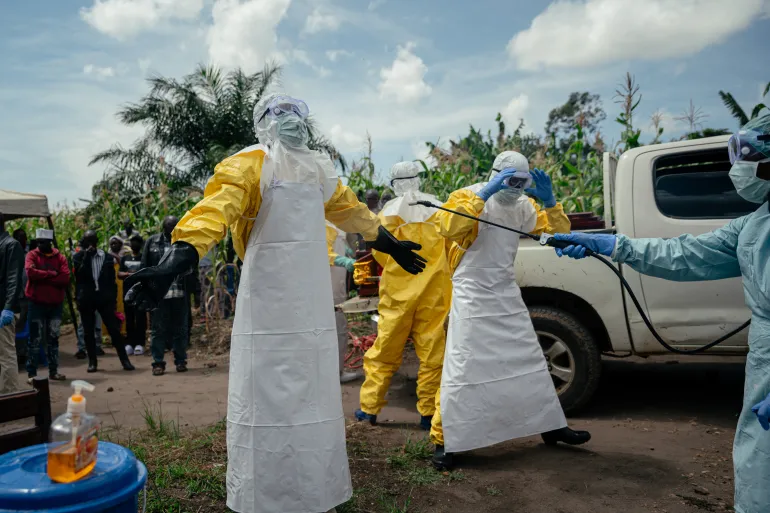
The response has been severely tested. Health workers have faced difficult conditions. Some have also gone without pay. Supplies remain limited in affected areas. Conflict has made access harder.
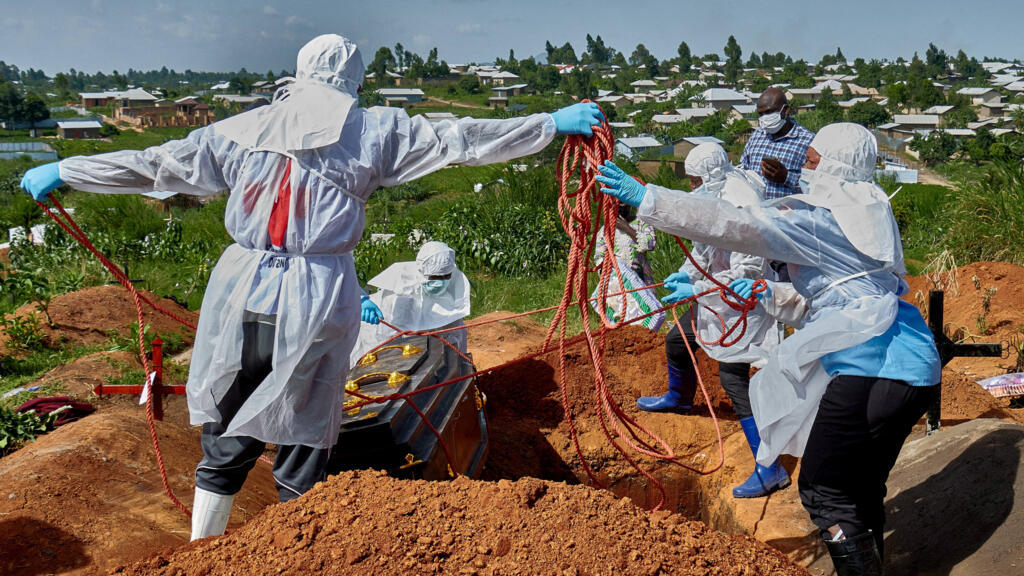
Mistrust has also slowed response work. Burial practices have added further risks. WHO has warned that early detection is vital as safe burials are also being promoted.
No Specific Treatment Yet
The current strain has created another challenge with no licensed vaccine targets Bundibugyo virus and no specific treatment has been approved either. Supportive care remains important. Patients can receive fluids and other care.
Research is now being accelerated and vaccine trials have also been started. WHO (World Health Organisation) says results may take months as that has added pressure on responders.
Uganda Also Faces Risk
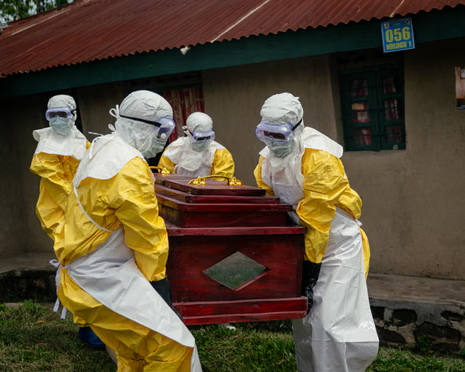
The outbreak has crossed the border with Uganda reporting linked cases to Ebola. Travel between the countries remains closely watched whereas health screening has been increased. Earlier this month, hundreds were screened.
A riverboat was stopped near Kinshasa. Passengers were checked for symptoms. Samples were also collected from some travellers.
A Race Against Time
The outbreak began before it was declared. Researchers believe transmission started months earlier. The first official declaration came on May 15. Delayed detection allowed the virus to spread. Conflict further complicated the response.
The World Health Organisation has classified the outbreak as a public health emergency of international concern. For health workers, the challenge is now clear. Cases must be found sooner. Contacts must be traced quickly.
Patients must receive care and finally communities must also remain engaged.
The coming weeks could prove critical.
About the Author