
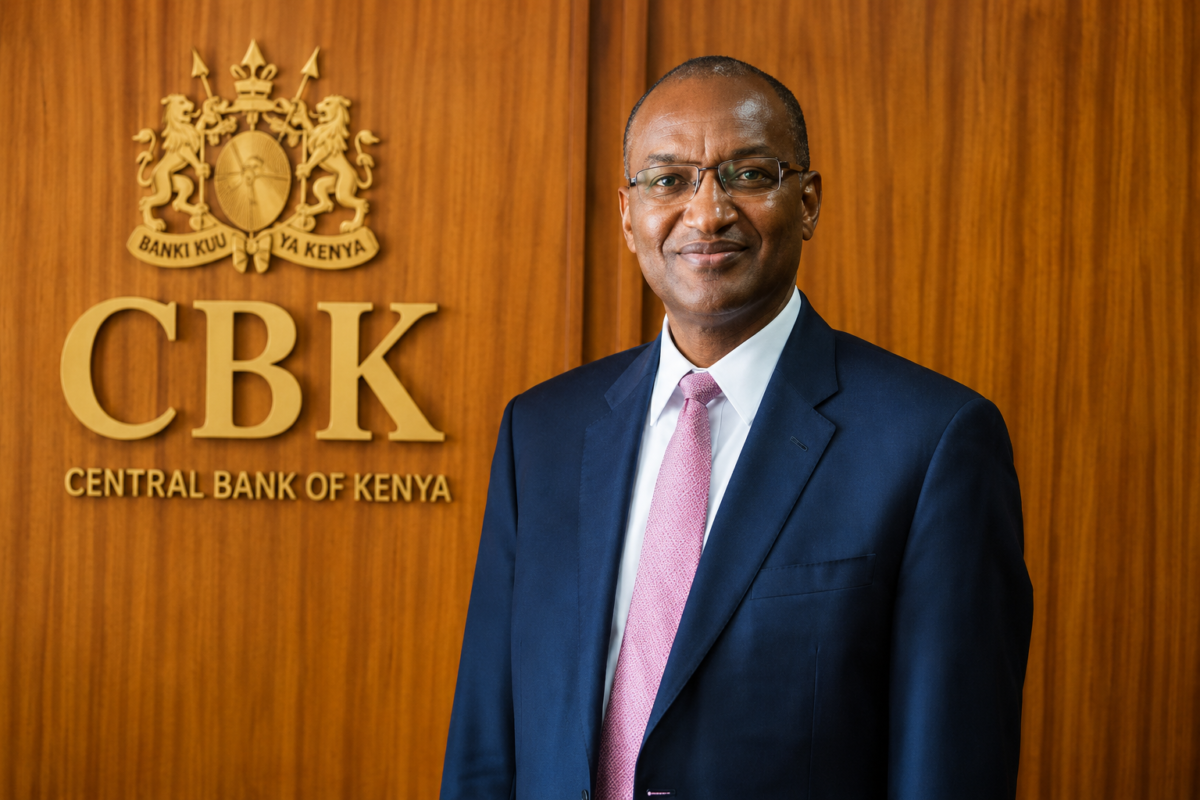
Nearly seven years after Kenya withdrew its old Sh1,000 banknotes, former Central Bank of Kenya former Governor Patrick Njoroge has offered a behind-the-scenes account of how the country carried out the operation without leaving large numbers of people stranded.
In a new interview released as part of the CBK@60 series, Njoroge said the success of the 2019 currency change depended heavily on one thing: reaching people before the deadline.
“We didn’t want anybody to be left behind on this in Kenya,” he said.
The former governor said the central bank mounted an unusually broad public-awareness campaign, sending teams to different parts of the country to explain the changes and tell people how to exchange their old notes.
“I don’t think there’s any other campaign that was that deliberate and that extensive in terms of communication. We went everywhere,” he said.
Among the places he mentioned were Lunga Lunga, Wajir and Kakuma, along with Kisumu and other parts of the country.
The recollection comes as CBK marks 60 years since its establishment and looks back at major episodes in the institution’s history. Njoroge served as governor from 2015 to 2023, making him one of the longest-serving governors in the bank’s history.
A nationwide exercise
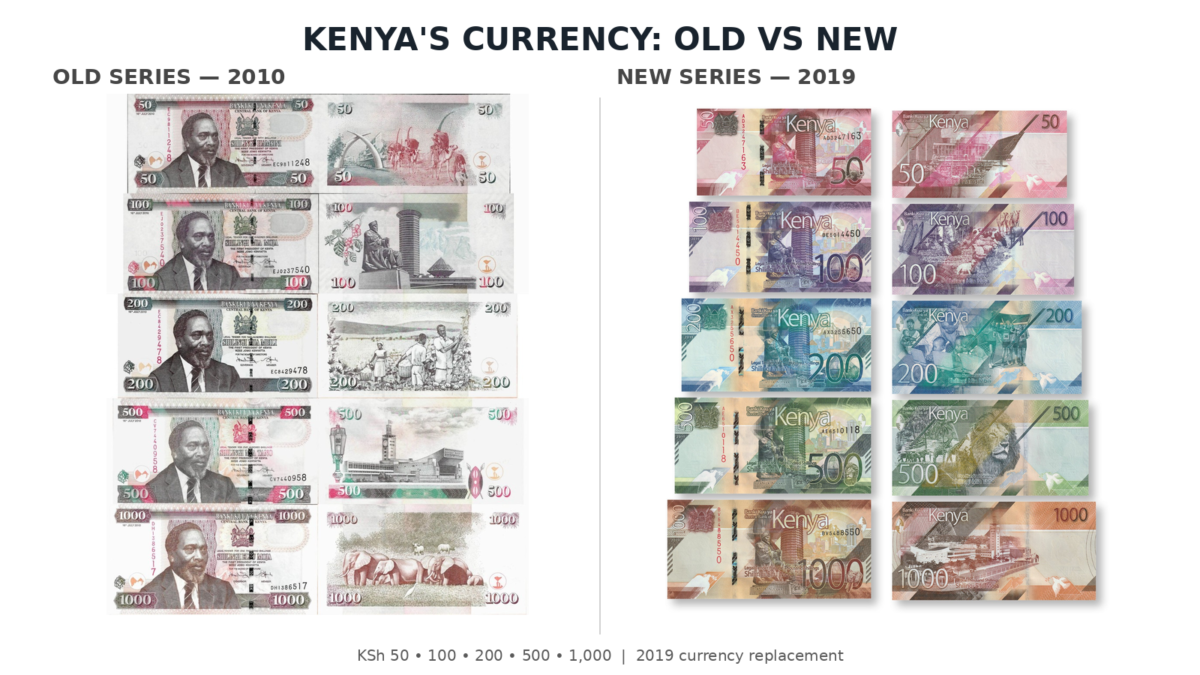
Kenya’s old Sh50, Sh100, Sh200, sh500and Sh1,000 notes were replaced in 2019 as the CBK introduced a new series of banknotes
The 2019 withdrawal was announced on June 1 that year, when the CBK introduced a new series of banknotes. The old Sh1,000 notes were given a deadline for exchange, after which they would cease to be legal tender.
The move was part of the redesign of Kenya’s currency following the 2010 Constitution. The new notes also removed portraits of individuals and instead featured images representing Kenya’s national heritage.
But the Sh1,000 note withdrawal had another objective.
The CBK said at the time that it was acting on concerns over illicit financial flows and the use of large amounts of cash outside the formal financial system. The denomination was particularly significant because of the amount of money held in Sh1,000 notes.
That made the exercise more than a routine replacement of old currency. It required millions of Kenyans to identify their old notes, find exchange points and complete the process before the deadline.
Njoroge said CBK therefore treated communication as a central part of the operation.
The campaign reached places far from Nairobi and other major urban centres. The bank sought to reach groups that depended heavily on cash, including traders, farmers and pastoralists, as well as people living in remote areas.
The deadline
The withdrawal was initially given a four-month window. By the end of the exercise, the vast majority of the old Sh1,000 notes had been returned to the banking system.
CBK later reported that Sh209.6 billion worth of the old notes had been returned, out of about Sh217 billion that had been in circulation when the exercise began. Roughly Sh7.38 billion was not returned and ceased to be legal tender.
For Njoroge, the absence of widespread panic at the deadline was evidence that the communication effort had worked.
“When the time expired, nobody was actually stressed,” he said.
He described the execution of the exercise as “phenomenal”.
Why the story still matters
Njoroge’s account comes at a time when CBK is reflecting on six decades of monetary policy, banking regulation and financial stability.
The 2019 currency switch remains one of the most visible decisions made during his tenure. It also demonstrated how a central bank decision can affect people far beyond the banking sector.
For many Kenyans, the exercise was simply about replacing a familiar note before it became worthless. For the CBK, it was a nationwide logistical and communication challenge.
Njoroge’s recollection suggests that the operation was not won solely inside the central bank’s offices in Nairobi.
It was won, he said, by making sure the message reached the people who needed to hear it, wherever they lived.
About the Author