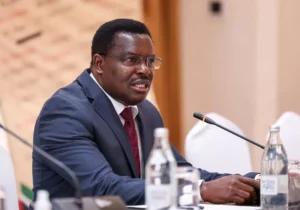
Kenya can become one of the world’s wealthy and developed nations, Deputy President Kithure Kindiki said on Wednesday, but only if the country can maintain political stability and resist the temptation to abandon long-term policies when governments change.
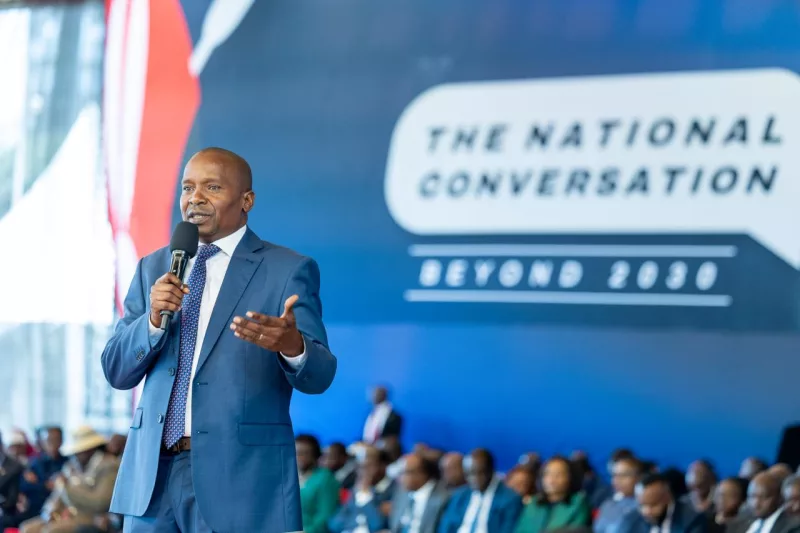
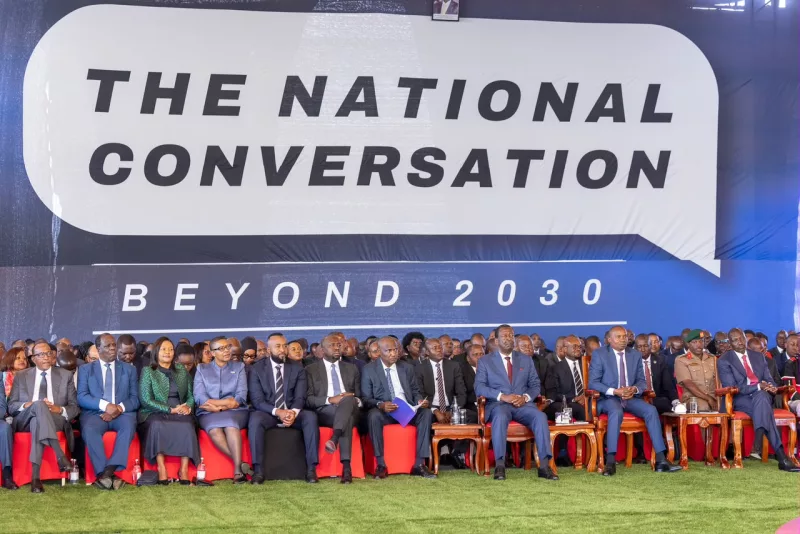
Speaking at the launch of the National Conversation on Beyond 2030 at the Kenyatta International Convention Centre in Nairobi, Kindiki said Kenya had already built a foundation for further economic growth.
But he said progress would depend as much on political choices as on economic performance.
I believe that, as Professor Hino has told us, Kenya, Africa, can venture into the league of wealthy, developed nations. We just need good leadership,” Kindiki said.
He urged Kenyans to reject the idea that prosperity is reserved for countries outside Africa.
What other nations can do, what other races can do, the African race can also generate countries that can move from poverty and move into progress. It is possible,” he said.
The remarks came as the government began a national discussion on what should follow Vision 2030, Kenya’s existing long-term development blueprint.
Kindiki said the new conversation should take stock of what has been achieved while identifying the work still needed to raise living standards and expand economic opportunities.
Your Excellency the President, we have done some work. A lot of work needs to be done. Laid the foundation,” he said.
A record of progress and a more complicated picture
Kindiki pointed to several areas in which he said the government had made progress.
He cited foreign exchange reserves, investment, agriculture, education, healthcare, electricity and digital connectivity.
He said reserves had reached $15.1 billion and that Kenya attracted $3.2 billion in foreign direct investment last year.
Some of the economic claims require context. The latest official inflation data available from the Kenya National Bureau of Statistics put annual inflation at 6.4 per cent in June 2026, rather than below 6 per cent as stated by Kindiki.
Official investment data also show that Kenya’s foreign investment position has been growing. The latest KNBS Foreign Investment Survey reported that the stock of foreign direct investment rose 8.5 per cent between 2022 and 2023, to Sh1.46 trillion.
The figures underline the distinction between improvements in parts of the economy and the broader question of whether those gains are being felt equally by households and businesses.
Kenya continues to face pressure from the cost of living, public debt and limited employment opportunities. The country’s latest official statistics put first-quarter 2026 economic growth at 5.3 per cent, while inflation remained above 6 per cent in June.
Agriculture and public services
Kindiki also highlighted agriculture as a key part of the government’s record.
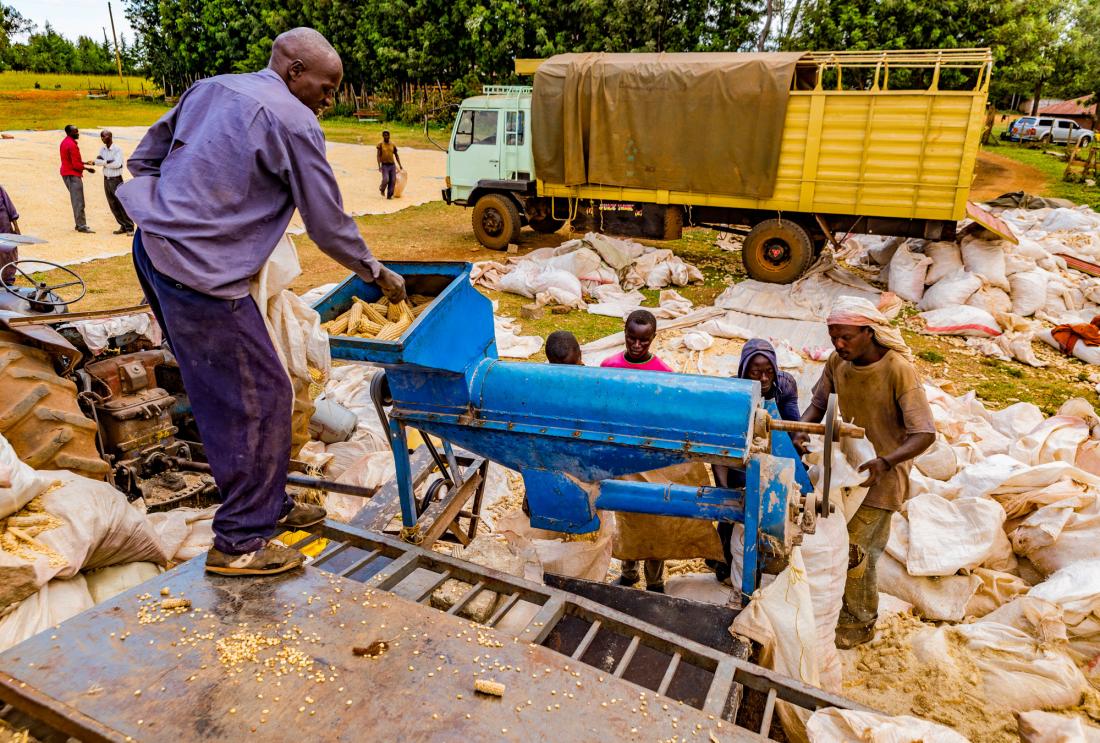
He said 7.2 million farmers had been registered, giving the government information on where farmers operate, what they grow and the inputs they require.
He said maize production had risen from 44 million bags in 2022 to 75 million bags last year.
Tea production, he said, increased from Sh138 billion to Sh215 billion over the same period. Sugar production also rose, from 472,000 metric tonnes to 815,000 metric tonnes.
Kindiki said Kenya had become Africa’s largest producer of processed milk, with annual production rising from 4.6 billion litres in 2022 to 5.5 billion litres last year.
He also pointed to increased public spending on education. Government funding, he said, had risen from Sh500 billion in 2022 to Sh784 billion this year.
The government had employed 100,000 teachers and built 23,000 classrooms, he said.
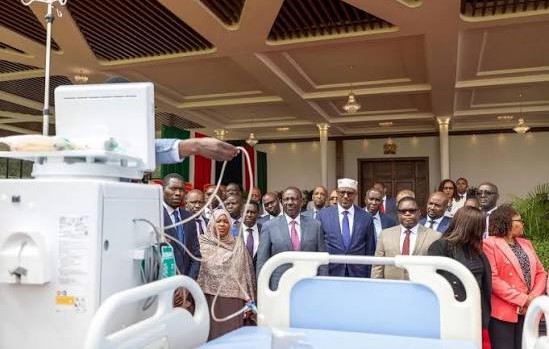
In healthcare, Kindiki said the number of Kenyans covered by public medical insurance had grown from about eight million under the former NHIF system to 32.2 million.
The danger of starting over
For Kindiki, however, the most important lesson from the Beyond 2030 process is the need for continuity.
He warned that development projects can lose momentum when new administrations abandon programmes started by their predecessors.
The biggest threat of African countries, the biggest threat of developing countries, is policy disruption,” he said.
He called on leaders to put national interests ahead of political loyalties and personal ambitions.
Somebody comes with their ego as opposed to the national interest, and they want to change this, change the other, disrupt this, instead of perfecting the foundation on which our country has been raised,” Kindiki said.
He also urged Kenyans to keep politics away from development planning.
We can politicise everything else. Let us not politicize the development of our country,” he said.
That challenge will be central to the Beyond 2030 process.
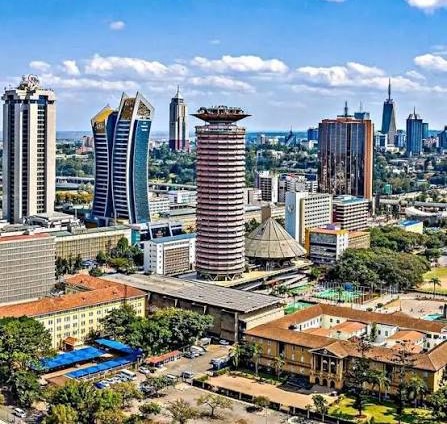
Vision 2030 was designed to guide Kenya towards a higher standard of living through economic, social and political development. The next plan will have to contend with a country that has made gains in infrastructure, technology and services, but still faces persistent questions about affordability, jobs, inequality and public finances.
The task, therefore, is not simply to set another ambitious target.
It is to build a development plan that can survive changes in government and deliver improvements that Kenyans can see in their daily lives.
About the Author